
5 Signs Your Plant Needs a Bigger Pot Right Now
Every plant lover knows the joy of watching a new cutting sprout its first leaf or a seedling push boldly toward the light. But that same growth that fills you with pride can quietly work against your plant if its container hasn't kept up. Roots need room. Soil needs to hold moisture and nutrients effectively. When a pot becomes too small, even the most resilient houseplant will begin to show signs of stress — and learning to read those signs early can mean the difference between a thriving plant and one that's slowly declining.
The good news is that plants are remarkably good communicators. Once you know what to look for, spotting an overcrowded root system becomes second nature. Here are five clear signs that your plant is overdue for a bigger home.
1. Roots Are Escaping Through the Drainage Holes
This is one of the most unmistakable signals a plant can send. When you peek underneath the pot and see roots poking out of the drainage holes — or even curling around the outside of the container — your plant has officially run out of room underground. Roots grow toward oxygen and moisture, and when they can no longer find either within the confines of the pot, they begin searching for an exit.
A root or two sneaking through a drainage hole might not seem urgent, but by the time you notice it, the root system inside is likely already tightly packed. Don't wait until the roots form a thick mat beneath the pot. As soon as you spot escapee roots, it's time to size up.
When repotting, choose a new container that is one to two inches larger in diameter than the current one. Going too large too quickly can lead to overwatering issues, since excess soil retains moisture the roots can't yet absorb.
2. The Plant Dries Out Unusually Fast After Watering
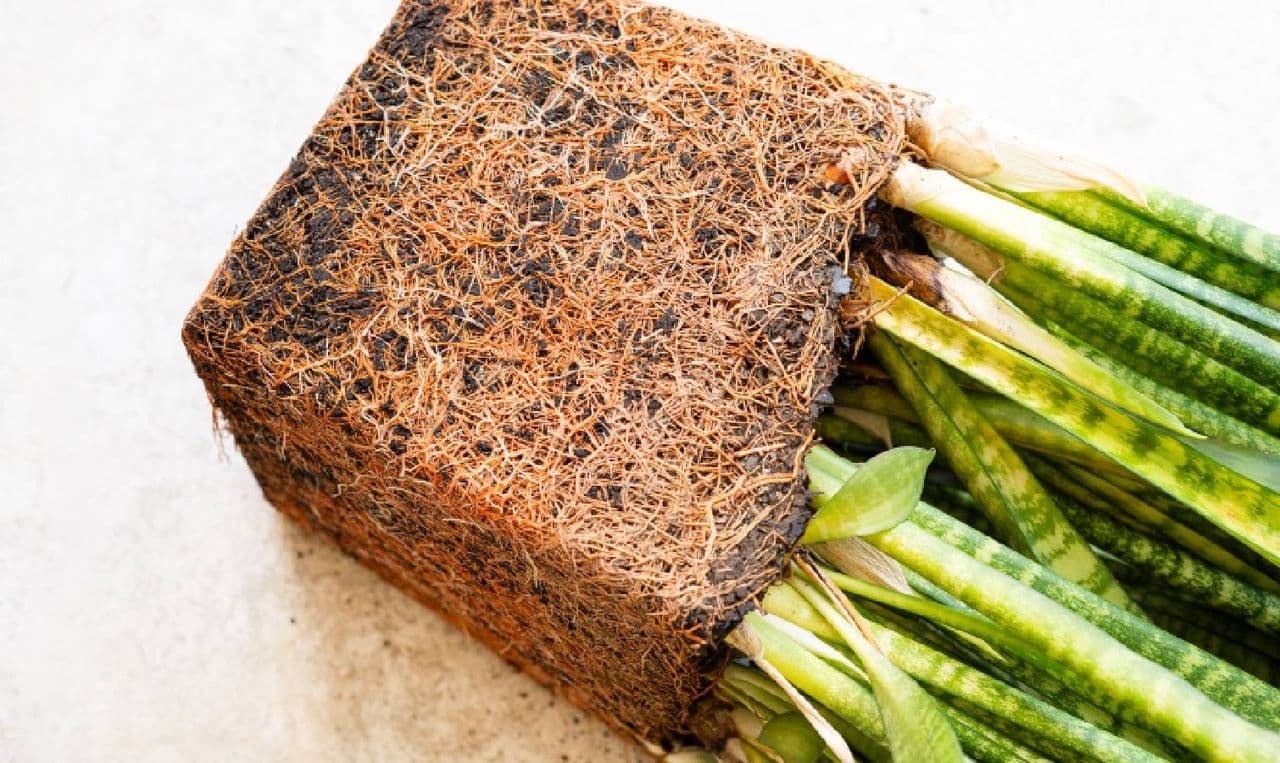
If you find yourself watering your plant far more frequently than you used to — and the soil seems to dry out within a day or two of watering — the pot may be more root than soil at this point. A healthy pot has a balanced ratio of roots to growing medium. When roots fill most of the available space, there is simply less soil to retain moisture, causing the plant to dry out faster.
You might also notice the water rushing straight through when you water, barely absorbed before draining out the bottom. This is a sign the root ball has become so dense that water can no longer penetrate effectively. The plant ends up thirsty despite your best efforts, which leads to stress, wilting, and eventually stunted growth.
Before assuming your watering schedule needs an overhaul, gently remove the plant from its pot and inspect the roots. If the root ball holds the shape of the container when lifted out, a bigger pot is almost certainly the answer.
3. Growth Has Slowed Down or Stopped Entirely
Plants that are actively growing in the right season but suddenly seem to stall — producing fewer new leaves, smaller foliage, or no visible progress at all — may simply be pot-bound. When roots have nowhere left to expand, the plant redirects its energy toward survival rather than growth. It cannot take in adequate water or nutrients, and its development effectively hits a ceiling set by the size of the container.
This is especially noticeable in fast-growing species like pothos, monsteras, and spider plants, which can outgrow a pot in a single growing season. If your previously vigorous plant has gone quiet during spring or summer — its natural period of active growth — check the roots before blaming light levels or fertilizer.
4. The Plant Looks Disproportionately Large for Its Pot
Sometimes the sign is purely visual. If your plant looks top-heavy, leans to one side, or seems to dwarf its container in a way that looks physically unstable, it has likely outgrown its pot. A plant whose canopy or root system is significantly larger than its base will also tip over more easily, which can damage both the plant and the pot.
Beyond aesthetics, an imbalanced ratio between the plant's above-ground mass and its container limits its structural support. Large-leafed plants in particular — such as rubber trees or bird of paradise — need containers that can anchor them securely while providing enough soil volume to feed their substantial root systems.
5. Soil Is Cracking, Compacting, or Pulling Away From the Pot's Edges
Old, compacted soil that has been colonized by dense roots often begins to crack on the surface or pull away from the sides of the pot, creating visible gaps between the soil and the container walls. This happens because roots physically displace the soil over time, compressing and restructuring it in ways that reduce its ability to hold water, air, and nutrients.
Compacted soil is also harder for roots to navigate, which further restricts growth. Simply loosening the surface with a chopstick or watering tool won't fix the underlying issue — the plant needs fresh, nutrient-rich soil and a larger container to truly recover.
How to Repot Your Plant the Right Way
Once you've identified that your plant is ready to move up, the repotting process itself is straightforward. Water your plant the day before to reduce transplant shock. Gently loosen the root ball and remove any dead or circling roots with clean scissors. Add fresh potting mix to the bottom of the new container, place the plant, and fill in around the sides, pressing lightly to eliminate air pockets. Water thoroughly and place the plant in its usual spot to settle in.
Most houseplants benefit from repotting every one to two years, though faster-growing species may need attention annually. Staying attentive to these five signs ensures your plants always have the space they need to reach their full potential — and keeps your indoor garden looking its very best.
- Check drainage holes regularly for escaping roots, especially in spring.
- Track how quickly your soil dries out — sudden changes are a reliable indicator.
- Monitor growth during the active season; a healthy plant should be producing new leaves.
- Trust your eye — if the plant looks too big for the pot, it probably is.
- Inspect soil condition annually and refresh compacted or cracked growing medium promptly.
Repotting can feel daunting, but your plant will thank you almost immediately. Within a few weeks of moving into a properly sized container, most plants respond with a visible burst of new growth — a clear sign they finally have the room they needed all along.