
The Rising Cost of Music Streaming — And One Exception
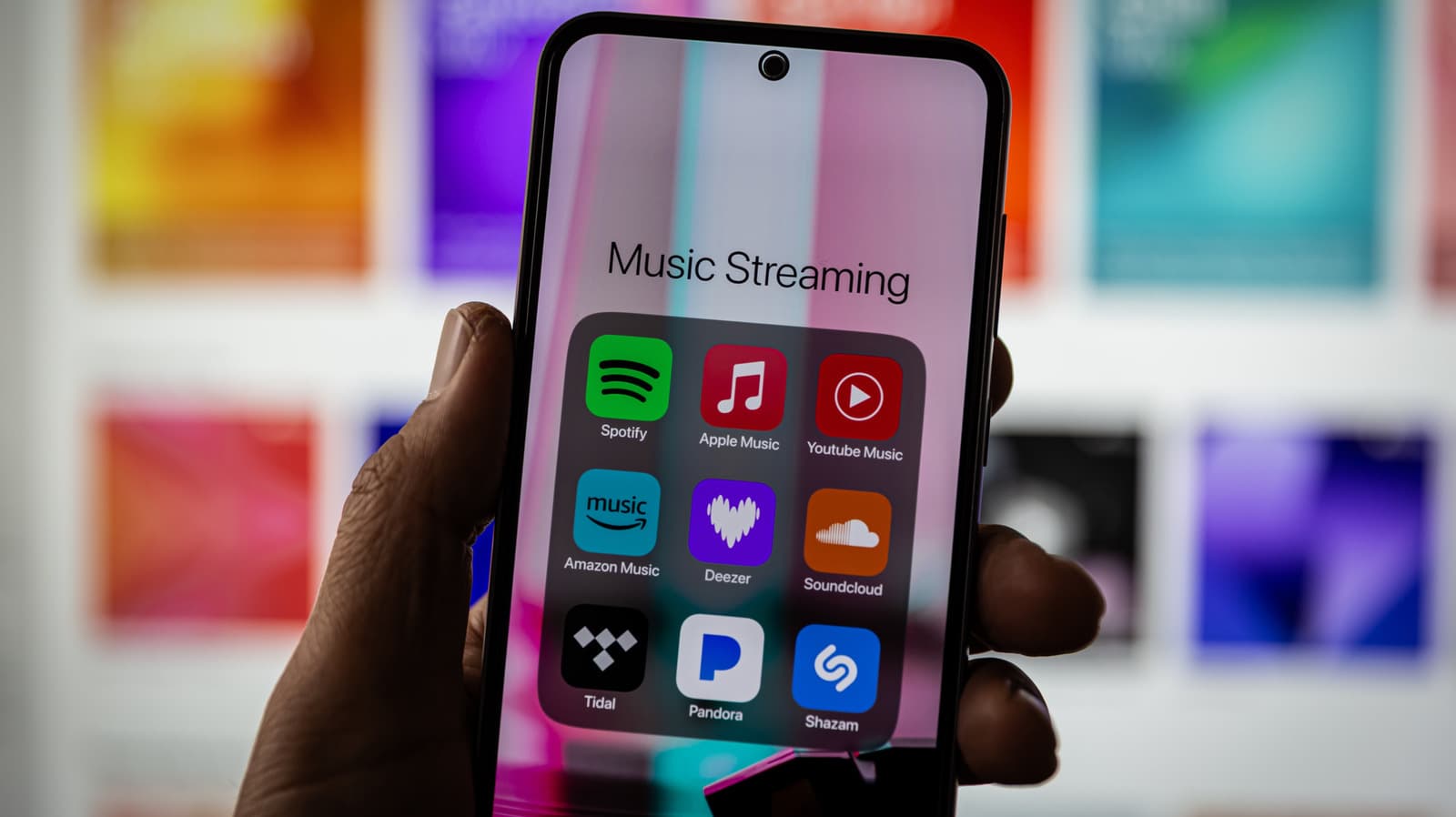
If you've been keeping an eye on your subscription bills lately, you've probably noticed that music streaming is no longer the bargain it once was. Spotify raised its prices. Apple Music followed suit. Amazon Music, YouTube Music, and Tidal have all crept upward in cost, with most premium plans now hovering between $10 and $11 per month — and that's just for individual accounts. Family plans can push well past $16 or even $18 a month.
For listeners who just want to enjoy their favorite songs without being interrupted by ads and without spending a fortune, the options are shrinking fast. But there's one platform that's been around since the early days of internet radio that continues to offer an ad-free experience for well under $10 a month — and it does things a little differently than the rest of the pack.
Meet the OG: Pandora and Its Budget-Friendly Subscription Tier
Pandora is one of the original music streaming services, having launched back in 2005 as a pioneer in personalized internet radio. While giants like Spotify dominate today's conversation, Pandora has quietly held its ground by leaning into what it's always done best: serving up music based on listener preferences through its Music Genome Project, a deeply detailed song-analysis algorithm that matches tracks to your taste.
What makes Pandora especially relevant in today's pricing landscape is its Pandora Plus tier, which is priced at just $4.99 per month. That's roughly half the cost of most competing premium plans. And yes — it's completely ad-free.
For budget-conscious listeners who are tired of being sold car insurance between songs, this is a genuinely compelling option that often gets overlooked in favor of flashier, more heavily marketed competitors.
What You Get With Pandora Plus
Pandora Plus isn't a full on-demand streaming service in the way Spotify or Apple Music is. It's important to understand what's included — and what isn't — before making the switch.
- Ad-free listening: No audio or display ads interrupt your experience on any of your personalized stations.
- Unlimited skips: Unlike the free tier, you can skip as many tracks as you like without hitting a wall.
- Offline listening: You can download stations for playback when you don't have an internet connection, which is a handy perk for commuters and travelers.
- Replay feature: Heard a song you loved? Pandora Plus lets you go back and replay recent tracks — something the free version doesn't allow.
- Higher audio quality: Subscribers get access to higher-quality audio streams compared to the free tier.
What you don't get is full on-demand control over every track. Pandora Plus still operates largely on a station-based model, meaning the algorithm curates what you hear rather than letting you pull up any song at will. If you want that level of control, you'd need to upgrade to Pandora Premium, which costs $9.99 per month and adds full on-demand listening, playlist creation, and more.
How Pandora's Approach Differs From Spotify and Apple Music
The reason Pandora can keep its Plus tier so affordable is precisely because of its radio-style model. On-demand licensing — the kind required to let users play any song, any time, in any order — is significantly more expensive for platforms to maintain. By building its core value around curated, algorithm-driven radio stations rather than a full on-demand library, Pandora can reduce its licensing overhead and pass those savings on to subscribers.
This is actually a meaningful philosophical difference in how you consume music. Pandora's model encourages discovery. You seed a station with a song or artist you love, and the Music Genome Project does the rest, surfacing tracks with similar musical characteristics — tempo, instrumentation, vocal style, and more. Many users find this passive, discovery-oriented experience more relaxing than manually managing playlists.
For listeners who don't want to spend mental energy curating their own music library, Pandora's approach can feel more natural and less like work.
Who Should Consider Switching to Pandora Plus
Pandora Plus is a smart choice for a specific kind of listener. It's not the right fit for everyone, but for the right person, it offers exceptional value.
- Casual listeners who put on music in the background while working, cooking, or exercising and don't need to control every track.
- Budget-focused users who want an ad-free experience without paying $10 or more a month for features they'll never use.
- Music discovery enthusiasts who enjoy being introduced to new artists and tracks based on their existing taste.
- Commuters and travelers who need offline playback but don't want to pay a premium price for it.
If you regularly create playlists, follow specific artists closely, or need to listen to a precise song on demand, Pandora Plus will feel limiting. But for the casual, easygoing listener, it checks every important box at a price that's hard to argue with.
Is $4.99 a Month Still Worth It in 2024?
In a streaming landscape where prices keep rising and ad-supported free tiers keep getting worse, a clean, ad-free listening experience for $4.99 a month is genuinely rare. Pandora Plus sits in a category nearly by itself when it comes to that specific combination of affordability and an interruption-free experience.
It's worth remembering that Pandora also offers a free tier, so you can test the platform and get a feel for its recommendation engine before committing to a paid plan. If the curated, radio-style model resonates with how you naturally listen to music, upgrading to Plus is an easy call.
In an era of subscription fatigue and relentless price hikes, Pandora's old-school approach to music streaming might just be the smartest, most underrated deal left in the game.