
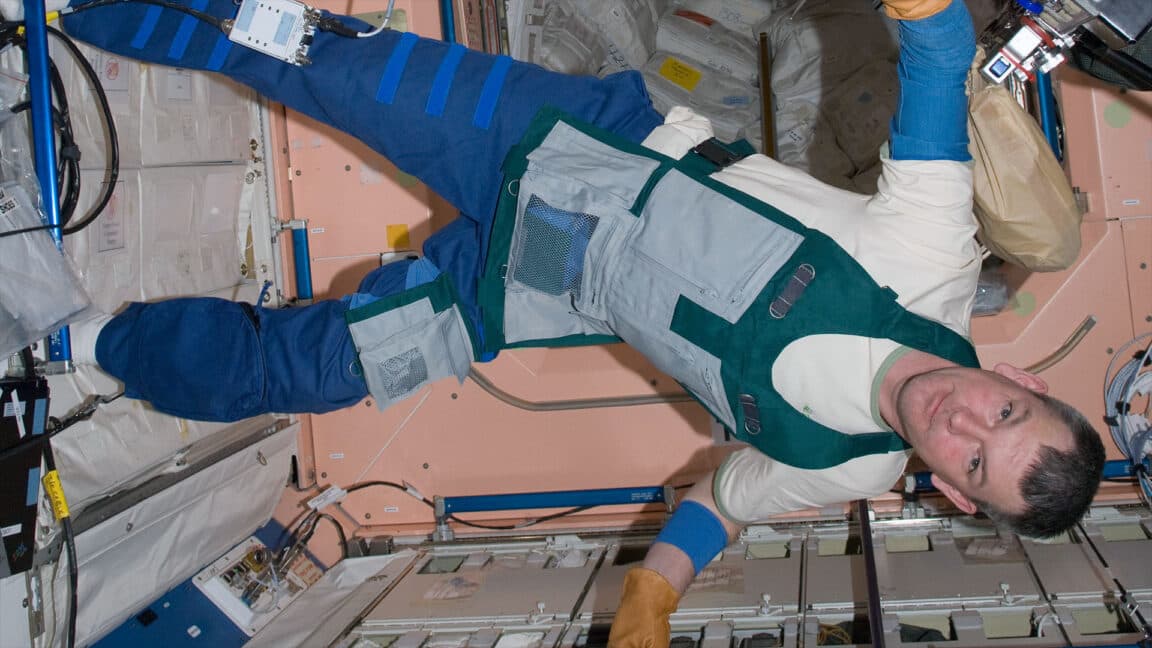
Russian Cosmonaut Aleksandr Samokutyaev Dies at 56 — A Historic and Somber Milestone for the ISS
The global space community is mourning the loss of Russian cosmonaut Aleksandr Mikhailovich Samokutyaev, who passed away on Wednesday at the age of 56. His death marks a sobering first in the history of human spaceflight: Samokutyaev is the first long-duration resident of the International Space Station (ISS) to have died since the orbital laboratory began hosting expedition crews 26 years ago. The cause of his death has not been publicly disclosed. Russia's space agency, Roscosmos, confirmed the news and extended its condolences to his family and loved ones.
Who Was Aleksandr Samokutyaev?
Aleksandr Samokutyaev was a decorated Russian cosmonaut who dedicated much of his professional life to the advancement of human spaceflight. Born on March 15, 1970, in Penza, Russia, Samokutyaev pursued a career in the Russian Air Force before being selected as a cosmonaut candidate by the Yuri Gagarin Cosmonaut Training Center. His determination and technical skill earned him a place among the elite group of individuals who have lived and worked aboard the International Space Station.
Samokutyaev completed two long-duration missions to the ISS, accumulating hundreds of days in space over the course of his career. His contributions to space science, engineering operations, and international cooperation represent a lasting legacy in the history of human exploration beyond Earth's atmosphere.
His First Mission: A Historic Connection to the Final Space Shuttle Flight
Samokutyaev's first mission to the ISS launched in April 2011 as part of Expedition 27/28, aboard the Soyuz TMA-21 spacecraft. What made this mission particularly significant in the annals of space history was its overlap with STS-135, the final flight of NASA's Space Shuttle program. The Space Shuttle Atlantis docked with the ISS in July 2011 during Samokutyaev's residency, delivering supplies and marking the close of an era that had defined American human spaceflight for three decades.
Being part of the ISS crew during that historic moment placed Samokutyaev in a uniquely important position in the broader story of space exploration. The end of the shuttle program represented not just a logistical transition for NASA, but a geopolitical and scientific inflection point — and Samokutyaev was there to witness it firsthand from orbit.
His first expedition lasted approximately 164 days, during which he and his crewmates conducted scientific experiments, maintenance operations, and helped coordinate the docking of the final shuttle mission. It was a mission that cemented his place in the historical record of international cooperation in space.
A Second Journey to the Stars
Samokutyaev returned to the ISS for a second long-duration mission in 2014 as part of Expedition 41/42, again launching aboard a Soyuz spacecraft. This second mission further demonstrated both his expertise and the confidence that Roscosmos placed in him as a seasoned space traveler. His combined time in orbit across both missions totaled well over 300 days — a testament to the physical and psychological demands he met throughout his career.
During his second stint on the ISS, Samokutyaev participated in a range of scientific endeavors, from biological experiments designed to understand the long-term effects of microgravity on the human body to operational tasks critical to the station's upkeep. His work contributed directly to knowledge that continues to inform planning for future deep-space missions, including potential crewed journeys to the Moon and Mars.
A Historic First: The ISS's Long-Duration Residents
Since November 2000, the International Space Station has been continuously inhabited by rotating crews of astronauts and cosmonauts from around the world. Over the course of 26 years, 155 individuals have served as expedition crew members — long-duration residents who lived aboard the station for weeks or months at a time. With Samokutyaev's passing, he becomes the first among this group to have died.
The milestone is not one that the space community celebrates, but it is one that underscores the very human dimensions of an endeavor that is often discussed in terms of technology, politics, and science. These are men and women who risked their lives for the advancement of human knowledge, and Samokutyaev's death is a poignant reminder of their humanity.
Roscosmos Pays Tribute
Russia's state space corporation, Roscosmos, was swift in acknowledging the loss. "The leadership and staff of the Roscosmos State Corporation extend their sincere condolences to the family and loved ones of Aleksandr Mikhailovich," the agency said in an official statement. While the statement was brief, the weight of the tribute was widely felt across the international space community.
Tributes from colleagues, fellow cosmonauts, and space enthusiasts have poured in from around the world following the announcement. Samokutyaev was regarded not only as a skilled and disciplined cosmonaut but also as an ambassador of international cooperation at a time when joint missions between Russia, the United States, and other partner nations served as one of the most visible symbols of global scientific collaboration.
The Legacy of a Cosmonaut
Aleksandr Samokutyaev's life and career represent something larger than personal achievement. He was part of an unbroken chain of human presence in space that has now stretched over a quarter of a century. The data gathered during his missions, the operations he supported, and the spirit of exploration he embodied all live on in the continued work of the ISS and in the ambitions of those who will one day venture farther into the cosmos.
Remembering Those Who Reach Beyond Our World
As the space industry looks toward the future — with commercial space stations, lunar return missions, and Mars exploration plans on the horizon — the passing of Aleksandr Samokutyaev serves as a moment of reflection. The International Space Station has always been more than a laboratory; it has been a home to human beings willing to leave Earth behind in service of discovery. Samokutyaev was among the most committed of those explorers, and the space community will not soon forget his contributions.
He was 56 years old. The cause of his death remains unknown. He leaves behind a legacy measured not only in days spent in orbit but in the enduring value of the work he performed there.