
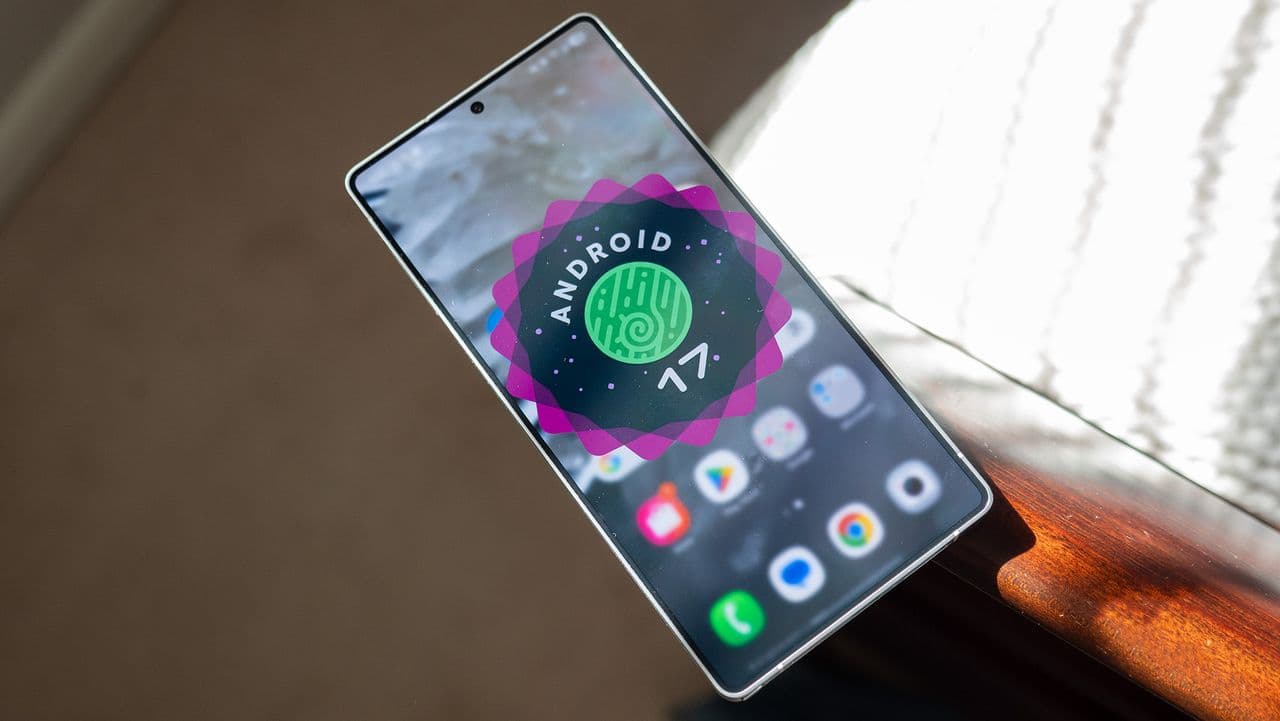
Android 17 Is Making the iPhone-to-Android Switch More Tempting Than Ever
For years, switching from an iPhone to an Android device has felt like packing up and moving to a foreign country without a translator. Your contacts might survive the journey, but your photos, app data, messages, health records, and years of digital life? Those have historically been left behind at the border. Android 17 is changing that narrative in a significant way, and the result is the most compelling case for iPhone defectors that Google has ever made.
With more data portability tools, a smoother migration experience, and a refined feature set that now rivals — and in several areas surpasses — Apple's iOS, Android 17 isn't just an incremental update. It's a statement. And for millions of iPhone users who've been sitting on the fence, it might finally be the push they needed.
The Migration Problem Has Always Held Switchers Back
Ask any tech enthusiast why people stay locked in Apple's ecosystem, and the answer rarely comes down to hardware loyalty or software preference alone. It comes down to friction. The sheer effort involved in transferring years' worth of data — iMessages, iCloud photos, Apple Health stats, app purchases, and saved passwords — has been enough to make even dissatisfied iPhone users stay put.
Apple has never exactly rolled out the red carpet for departing users. iMessage, for instance, has long been a notorious sticking point, with green bubble stigma and message delivery issues plaguing those who dare to leave. And iCloud, while excellent within Apple's walls, doesn't play nicely with the wider Android world.
Android 17 directly targets these pain points with an expanded and significantly improved Switch to Android tool, capable of transferring more categories of data than any previous version. We're talking contacts, photos, videos, calendar events, device settings, Wi-Fi passwords, and even certain app data — all moved over with far less hassle than before.
What's New in Android 17 That Specifically Appeals to iPhone Users
Deeper Data Transfer Capabilities
The headline feature for potential switchers is the dramatically expanded data migration system. Android 17 now supports richer app-level data transfer, meaning certain apps that exist on both platforms can carry their settings and saved content across. This isn't universal — it depends on developer adoption — but the groundwork Google has laid makes this functionality far more widespread than it has ever been.
Health data is another major win. Apple Health stores years of fitness tracking, sleep data, heart rate readings, and more. Android 17's improved compatibility with third-party health platforms means that much of this data can now be exported and re-imported into Google Fit or compatible apps, preserving a health history that many users feared would be lost forever upon switching.
RCS Messaging Closes the iMessage Gap
One of the longest-standing complaints from Android users — and one of the biggest reasons iPhone loyalists cited for staying — was the messaging divide. iMessage offered a polished, feature-rich experience that SMS simply couldn't match. Rich Communication Services (RCS), now universally supported and fully implemented in Android 17, has effectively closed that gap.
With RCS, Android users get read receipts, high-quality media sharing, typing indicators, and end-to-end encryption in Google Messages. Apple's addition of RCS support on its own end means cross-platform messaging is now a far less painful experience for switchers, eliminating one of the most emotionally charged barriers to leaving iPhone behind.
A Smarter, More Intuitive Interface
Android 17 ships with significant UI refinements that make the platform feel immediately familiar to iPhone users without sacrificing the customization and openness that Android devotees love. Gesture navigation has been polished further, notification management is more intuitive, and the overall aesthetic has been brought closer to a premium, unified design language.
Google's AI integrations, including enhanced Gemini capabilities baked directly into the operating system, also give Android 17 a meaningful edge in day-to-day utility. From smarter suggestions to on-device AI processing for privacy-conscious users, the platform now offers a level of intelligence that feels genuinely useful rather than gimmicky.
Why Now Might Be the Right Time to Make the Jump
The timing of Android 17's release coincides with a broader shift in the smartphone landscape. Flagship Android devices from manufacturers like Samsung, Google, and OnePlus are now genuinely competitive with the iPhone in camera quality, build materials, display technology, and battery life. The software argument — once Android's weakest link — has now become one of its strongest.
For users who have felt constrained by Apple's walled garden, frustrated by a lack of sideloading options, limited default app choices, or restrictive file management, Android 17 offers genuine liberation without demanding that you sacrifice quality or convenience in return.
The Bottom Line
Android 17 doesn't just iterate — it addresses the specific fears and frustrations that have kept iPhone users from making the switch. More comprehensive data transfer, improved messaging parity, a refined interface, and intelligent AI features combine to make this the most switcher-friendly version of Android ever released.
If you've been waiting for the right moment to trade in your iPhone for something new, Android 17 makes a compelling case that the moment has arrived. The data will follow. The experience will surprise you. And the green bubble stigma? Consider it officially retired.
- Android 17 supports broader app-level and health data migration from iOS
- Full RCS support eliminates the iMessage advantage for most users
- Gemini AI integration brings on-device intelligence to everyday tasks
- UI improvements make the transition from iPhone smoother than ever
- Flagship Android hardware now matches iPhone in nearly every category