
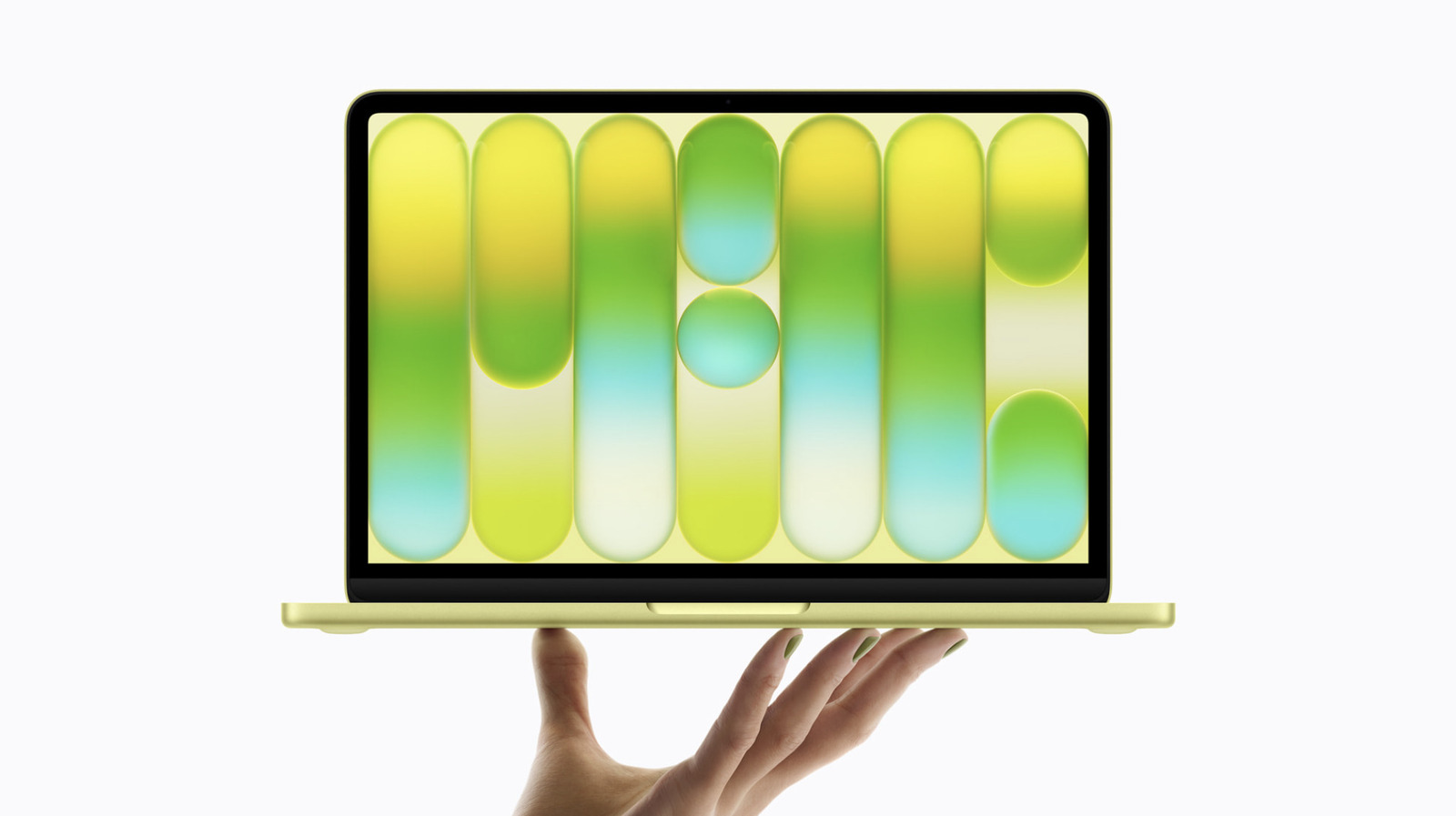
Apple Raises Prices Across Its Hardware Lineup
If you've been eyeing a new Mac, MacBook, or iPad, brace yourself — Apple has officially raised prices across most of its hardware lineup. The tech giant, known for premium pricing even in the best of economic climates, has pushed costs even higher on many of its most popular devices. Whether you're a longtime Apple loyalist or a first-time buyer, these changes could have a real impact on your next purchasing decision.
The price increases span a wide range of products, touching everything from portable MacBooks to desktop Mac configurations and the ever-popular iPad series. Understanding what changed, why it may have happened, and what your options are going forward is more important than ever for consumers and professionals who rely on Apple's ecosystem.
Which Apple Products Are Affected?
The price hikes are not isolated to a single product category. Apple appears to have revisited its pricing strategy broadly, meaning shoppers across the board will feel the difference when they head to the Apple Store — online or in person.
- MacBooks: Both the MacBook Air and MacBook Pro lines have seen upward price adjustments, making Apple's already-premium laptops a more significant investment than before.
- Mac Desktops: The Mac mini, iMac, and Mac Studio configurations have also been affected, with base and upgraded models reflecting the new pricing structure.
- iPads: Multiple iPad models, including popular tiers in the standard iPad and iPad Pro families, are now listed at higher prices than their predecessors.
- Other Hardware: Accessories and peripheral Apple hardware products are also caught up in the broader pricing revision, compounding the cost for consumers building out a full Apple setup.
While the exact dollar amounts vary by product and configuration, even modest increases on high-ticket items like the MacBook Pro or iPad Pro can translate to meaningful additional spending for consumers and businesses alike.
Why Is Apple Raising Its Prices?
Apple has not issued a single sweeping public statement detailing every reason behind the increases, but industry analysts and observers point to a confluence of factors that are reshaping hardware pricing across the technology industry as a whole.
Tariffs and Global Trade Pressures
One of the most significant drivers behind the latest round of Apple price hikes is the ongoing impact of tariffs on goods manufactured abroad. Apple relies heavily on manufacturing partners in Asia, particularly in China, and trade policy shifts in recent years have added friction — and cost — to the supply chain. When import duties rise, those costs are often passed along to the end consumer, and Apple is no exception to that economic reality.
Component and Supply Chain Costs
Beyond tariffs, the cost of key components used in Apple's devices — including advanced processors, displays, memory, and batteries — has fluctuated significantly in recent years. Apple's own silicon, the M-series chips that power modern Macs and iPads, are marvels of engineering, but they are not cheap to design or produce at scale. As the company pushes further into high-performance chip territory, research, development, and manufacturing costs inevitably climb.
Currency Fluctuations
Apple operates in virtually every major market around the world, and currency exchange rates can have a profound effect on how the company prices its products internationally. A stronger U.S. dollar relative to other currencies often prompts Apple to adjust pricing in non-U.S. markets, but it can also ripple back into domestic pricing strategies when factored into global revenue targets.
What This Means for Apple Consumers
For everyday consumers, the immediate takeaway is straightforward: buying into the Apple ecosystem is going to cost more money. This matters differently depending on who you are and how you use Apple products.
For students and budget-conscious buyers who were already stretching to afford an entry-level MacBook Air or a base iPad, the new pricing may push certain products out of reach entirely. Apple's reputation for longevity and resale value helps soften the blow somewhat — an Apple device purchased today is likely to remain usable and valuable for several years — but the upfront sticker price is still a significant barrier for many.
For professionals and creative workers who depend on the MacBook Pro, Mac Studio, or iPad Pro for their livelihoods, the price hikes are an unavoidable cost of doing business. These users are often less price-sensitive, but even they will notice when a maxed-out Mac Pro or a fully specced MacBook Pro inches closer to budget-breaking territory.
Should You Buy Now or Wait?
If you've been on the fence about a purchase, the new pricing reality raises a familiar dilemma: buy now at the new higher prices, or wait and hope for deals, refurbished options, or a potential reversal? There is no universally right answer, but a few considerations are worth keeping in mind.
- Apple's certified refurbished store frequently offers significant savings on recent models and is worth checking regularly.
- Educational discounts through Apple's education store remain available for eligible students and educators and can meaningfully offset the new pricing.
- Third-party authorized retailers sometimes offer promotions or bundle deals that Apple's own store does not.
- If your current device is still performing well, extending its life by another year or two while the pricing landscape settles may be a practical choice.
The Bigger Picture: Apple's Pricing Strategy
Apple has always positioned itself as a premium brand, and its pricing reflects that identity. Unlike competitors who frequently compete on price, Apple competes on perceived value, ecosystem integration, build quality, and software optimization. The company's customer loyalty metrics consistently rank among the highest in the consumer electronics industry, suggesting that a significant portion of its user base will absorb price increases rather than switch platforms.
That said, there is a threshold at which even loyal customers reconsider their choices. As Android flagships and Windows-based laptops continue to improve in quality and close the performance gap, Apple's pricing premiums face greater scrutiny. The company will need to continue delivering compelling new features, meaningful performance improvements, and seamless software experiences to justify the growing cost of entry into its ecosystem.
Final Thoughts
Apple's decision to raise prices across most of its hardware lineup is a significant development for consumers, professionals, students, and businesses who rely on these products daily. While the reasons behind the increases are multi-layered — tariffs, component costs, currency factors, and broader economic conditions all play a role — the impact on your wallet is straightforward and immediate.
Whether you decide to buy now, explore refurbished options, or hold off entirely, being an informed shopper has never been more important. Stay tuned to Apple's announcements, watch for promotional events like Back to School or Black Friday, and make sure the device you choose genuinely fits your needs and budget in this new pricing environment.