
Apple's Smart Home Vision: A Roadmap That Runs All the Way to 2028
Apple has never been shy about its ambitions for the smart home, but for years the company's competitors seemed to be moving faster. That narrative is about to change in a dramatic way. According to Bloomberg's widely respected Power On newsletter, Apple is preparing a sweeping wave of home automation products and updates powered by Siri AI — and while the first wave of hardware could land as early as 2026, the full picture won't be complete until at least 2028. For Apple fans who have been patiently waiting for the company to take the smart home seriously, the wait is nearly over. For those dreaming of a robotic arm sitting in their living room, however, a little more patience will be required.
What's Coming in 2026: HomePod Mini and Apple TV Updates
The most immediate additions to Apple's home ecosystem are expected to arrive sometime in 2026. Two long-overdue refreshes are leading the charge: an updated HomePod mini and a new generation of the Apple TV. Both products have seen relatively limited hardware updates in recent years, and Apple's growing investment in on-device AI makes now the perfect moment to breathe new life into them.
HomePod Mini Gets a Long-Overdue Refresh
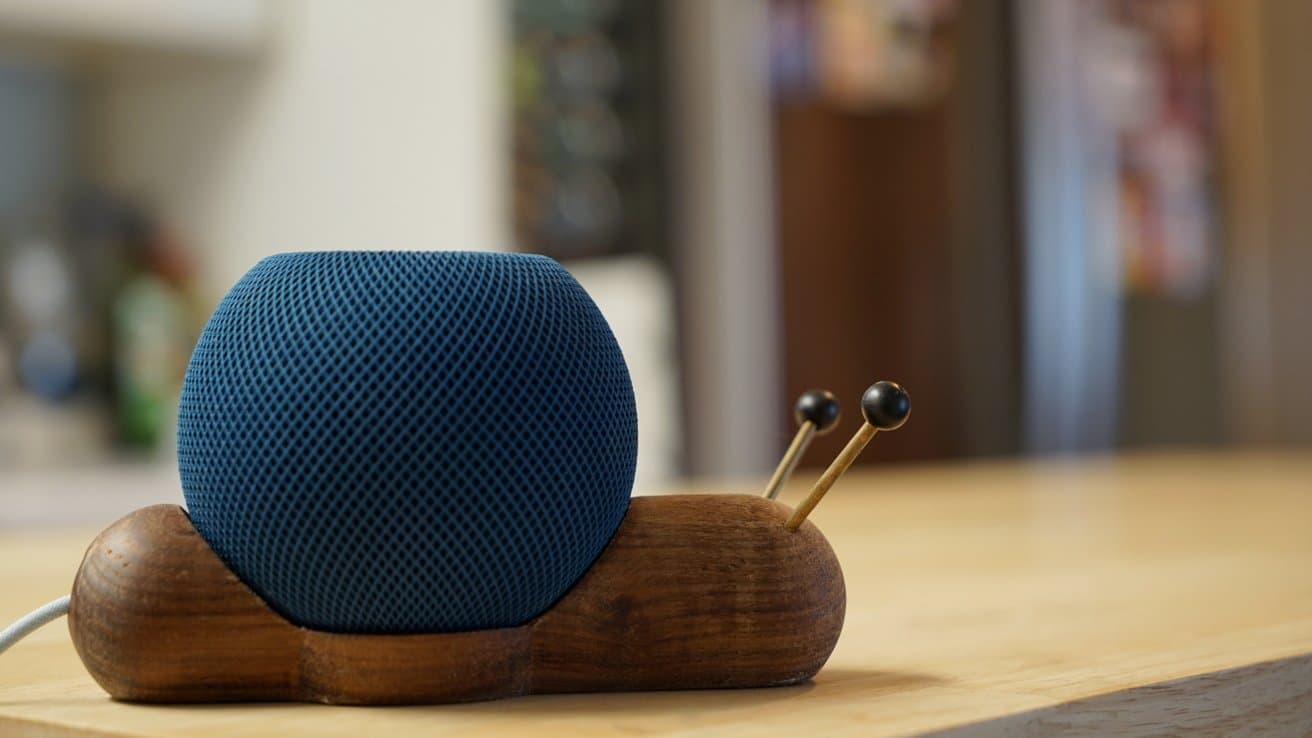
The HomePod mini has been a quiet success story in Apple's lineup, beloved for its surprisingly rich audio quality and tight integration with the Apple ecosystem. But the hardware has been left largely unchanged for longer than many users would like. The 2026 update is expected to bring meaningful improvements, potentially including enhanced Siri processing capabilities that align with Apple's broader Apple Intelligence push. A faster chip would allow the HomePod mini to serve as a more capable hub for local smart home automations, reducing latency and improving reliability for HomeKit routines. Apple's positioning of the HomePod mini as an entry point into its smart home ecosystem makes this refresh strategically critical, especially as competition from Amazon Echo and Google Nest devices continues to heat up.
Apple TV Gains Apple Intelligence
The Apple TV update is arguably even more anticipated. Leaked information previously pointed to Apple TV receiving the A17 Pro chip, the same silicon found in the iPhone 15 Pro lineup, along with support for Apple Intelligence. If accurate, this would transform the Apple TV from a premium streaming device into a genuinely intelligent home controller — capable of running on-device AI tasks, supporting more advanced Siri interactions, and potentially acting as the primary brain for an entire HomeKit network. For households already invested in the Apple ecosystem, an Apple TV with Apple Intelligence on board could be the missing piece that finally makes Apple's smart home vision feel cohesive and competitive.
The Home Hub: Apple's Most Ambitious Smart Home Product Yet
Beyond the near-term updates, Apple is reportedly working on something far more revolutionary: the Apple Home Hub. This device has been rumored for some time and is expected to feature a display — essentially an iPad-like screen — mounted on a flexible, motorized arm that can swivel and tilt to follow users around a room or adjust to different viewing angles on command. Think of it as a cross between a smart display, a home controller, and an interactive AI assistant — all wrapped in Apple's signature premium design language.
The Home Hub represents Apple's answer to devices like the Amazon Echo Show and Google Nest Hub, but with the company's characteristic ambition to go further than the competition. By incorporating a full display with Siri AI at the center, Apple could offer capabilities that go well beyond playing music or displaying a calendar. Video calls, smart home dashboards, personalized daily briefings, and deep integration with iCloud, Apple Health, and HomeKit all become possible on a single device that sits naturally on a kitchen counter or living room shelf.
The Robotic Arm Attachment: Worth the Wait, But Not Arriving Soon
Perhaps the most futuristic element of Apple's Home Hub concept is the robotic arm attachment. Rather than a static device, this add-on would allow the Home Hub's display to physically move — rotating, extending, or angling itself to provide the best view depending on where you are in the room. It's a concept that sounds straight out of a science fiction film, and Bloomberg's reporting makes clear that Apple is indeed working on it. However, the same reporting indicates that this feature won't be ready for release anytime soon, with the robotic arm component likely arriving well after the base Home Hub device itself.
The technical and engineering challenges involved in building a reliable, quiet, and elegantly designed motorized arm — one that meets Apple's extremely high standards for hardware quality — are significant. It's the kind of detail that Apple will not rush. Expect the full robotic Home Hub experience to be a 2027 or even 2028 product, by which point Apple will also have had time to refine the software and AI capabilities that make the moving display genuinely useful rather than merely impressive.
Apple Intelligence: The Thread Connecting Everything
One of the most important things to understand about Apple's entire home automation roadmap is that Siri and Apple Intelligence are the connective tissue tying every product together. Apple is not simply releasing new hardware for the sake of it. Each device in the lineup — from the refreshed HomePod mini to the futuristic robotic Home Hub — is designed to serve as a node in an intelligent, AI-powered home ecosystem where your devices understand you, anticipate your needs, and work together seamlessly.
This approach is meaningfully different from the way Apple has handled the smart home in the past. For years, HomeKit lagged behind Amazon Alexa and Google Assistant in terms of third-party support and feature depth. Apple Intelligence changes the equation by putting powerful on-device AI into the heart of every home device, making Siri significantly more capable and context-aware without sacrificing the privacy protections that Apple customers have come to expect.
What This Means for Apple Fans and Smart Home Enthusiasts
If you're currently in the market for a smart home upgrade, the 2026 HomePod mini and Apple TV refreshes represent compelling reasons to wait a few more months rather than buying current hardware. Both devices are expected to support Apple Intelligence, which means they'll only get more capable over time as Apple continues to expand its AI feature set through software updates.
For those who are curious about the Home Hub, the advice is similarly straightforward: watch Apple's product announcements closely throughout 2026 and 2027. The base Home Hub device could arrive sooner than many expect, and once it does, it has the potential to become the centerpiece of Apple's smart home ecosystem in the same way the iPhone became the center of mobile computing.
As for the robotic arm? Keep your eyes on 2027 and 2028. Apple rarely disappoints when it takes its time — and this is one product that, if executed correctly, could redefine what people expect from a smart home device entirely. The road from here to there is long, but Apple's home automation journey is well and truly underway.
Final Thoughts
Apple's home automation roadmap is one of the most exciting hardware stories in consumer technology right now. With a refreshed HomePod mini and Apple TV arriving in 2026, a feature-rich Home Hub to follow, and a genuinely revolutionary robotic arm display on the horizon for 2028, Apple is staking out a bold claim in the smart home market. Siri AI sits at the center of it all, and if Apple executes this vision as ambitiously as the leaks suggest, the smart home landscape could look very different by the end of this decade.