
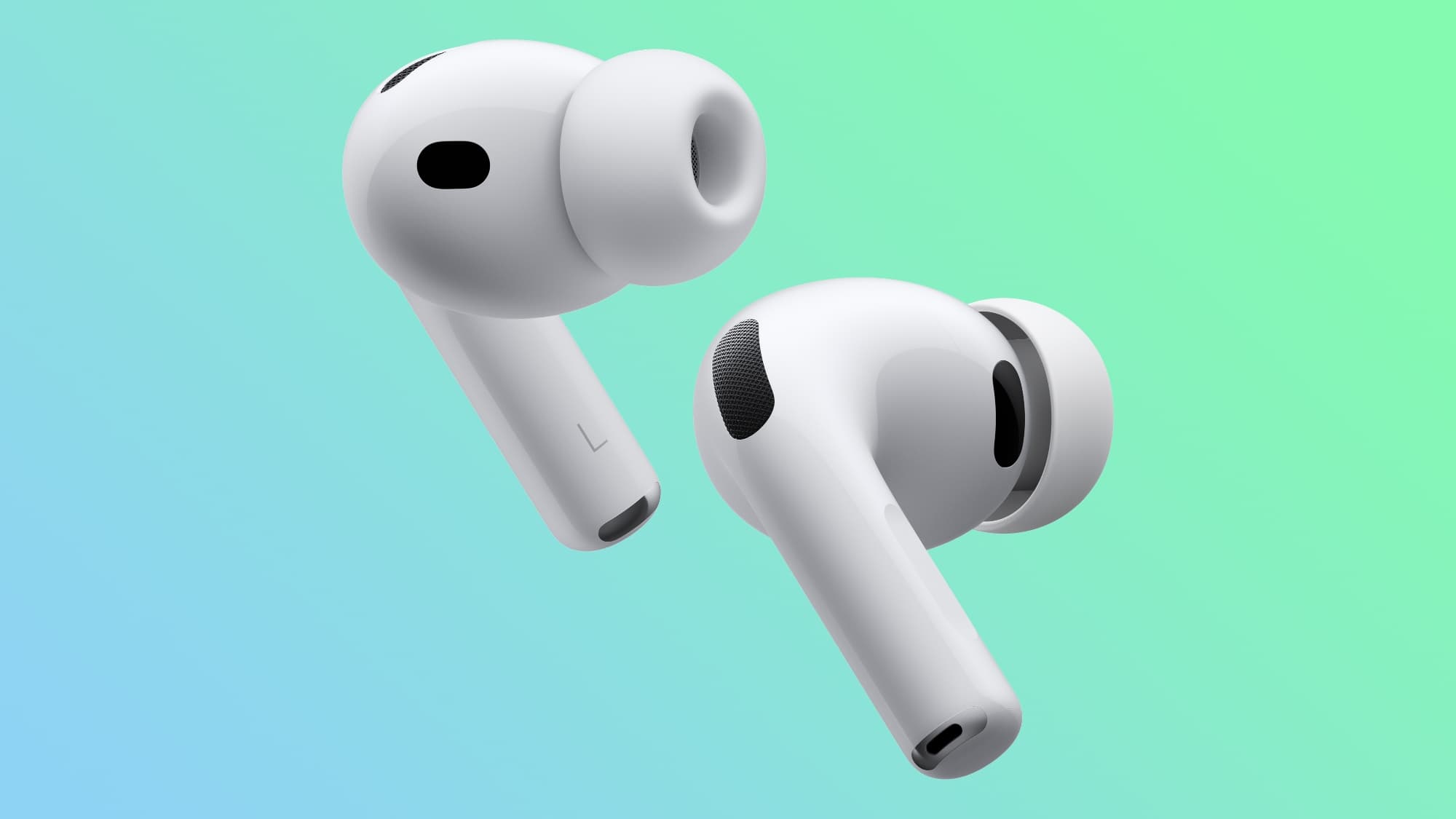
Apple's Camera-Equipped AirPods Ultra: Everything You Need to Know
Apple has never been shy about pushing the boundaries of what a pair of earbuds can do. From noise cancellation to spatial audio to health monitoring, each generation of AirPods has introduced features that redefine the category. Now, according to a wave of credible rumors, Apple is preparing to take its most ambitious leap yet — camera-equipped AirPods that function as a fully integrated AI wearable. Internally being referred to in the rumor space as AirPods Ultra, these next-generation earbuds are expected to arrive in late 2027 and could fundamentally change how we interact with Siri and the world around us.
What Makes the Camera-Equipped AirPods Different?
Unlike any AirPods that have come before them, this new model will feature tiny cameras embedded directly into the stem of each earbud. These cameras are designed not for video calls or photography, but to serve a very specific and powerful purpose: feeding real-time visual data to Siri. This marks a major evolution in how Apple's voice assistant operates, shifting it from a purely audio- and text-based AI to one that can actually perceive and interpret the wearer's physical environment.
This distinction is what makes these AirPods Apple's first true AI wearable. While smartwatches and fitness trackers have long collected biometric data, this new device goes a step further by giving an AI assistant a pair of eyes — enabling a level of contextual awareness that has previously only existed in science fiction or experimental lab settings.
Design: Familiar Form, Futuristic Function
One of the most reassuring aspects of the early rumors is that Apple does not plan a radical redesign of the earbud form factor. The camera-equipped AirPods are expected to look largely similar to the current AirPods Pro 3, preserving the compact, in-ear design that millions of users already know and love. The fit, size, and overall aesthetic of both the earbuds and their charging case are expected to remain substantially the same.
The most notable visual change will be in the stem. Apple plans to embed the cameras into this area of the earbud, making them as discreet and unobtrusive as possible. According to current reports, Apple intends to use tiny infrared cameras for this purpose — the same type of infrared imaging technology already used in Face ID on iPhone. This choice makes sense from both a technical and a privacy standpoint, as infrared cameras are well-suited to low-light environments and can capture spatial data without recording high-definition color video.
The Privacy Indicator Light
Privacy is a topic Apple takes seriously, and the camera-equipped AirPods will include a thoughtful feature to address public concerns. Apple plans to incorporate an LED indicator light that activates whenever visual data from the earbuds is being transmitted to the cloud. This light will be visible to people in the wearer's vicinity, letting them know the cameras are actively in use. It's a design philosophy similar to the indicator light on MacBook cameras — a small but meaningful transparency measure in an age of growing concern about ambient recording and AI surveillance.
Key Features: What Siri Will Be Able to Do
The cameras aren't just a gimmick. They unlock a range of genuinely useful capabilities that leverage Siri's expanding AI intelligence. Here's a look at what Apple is reportedly planning:
- Environmental awareness: Siri will be able to process what the cameras see in real time, giving the assistant a much richer understanding of where the user is and what is around them. Rather than relying solely on GPS coordinates or calendar data, Siri will be able to interpret the physical world contextually.
- Object and scene recognition: Users will be able to ask Siri questions about objects, signs, landmarks, or anything else they happen to be looking at — and receive relevant, informative answers. Think of it as a voice-powered visual search engine you wear in your ears.
- Enhanced navigation: One of the most practical reported use cases is more precise, turn-by-turn walking directions. By understanding the visual environment — identifying street signs, storefronts, and intersections — Siri could provide navigation guidance far more accurate and context-aware than what current mapping apps offer.
- Assistive functionality: The technology also holds enormous promise for users with visual impairments, potentially allowing Siri to describe surroundings, read text aloud from the environment, and identify people or objects in real time.
When Will Apple Release the Camera-Equipped AirPods?
Current rumors point to a late 2027 release window for these camera-equipped AirPods. That timeline gives Apple roughly two years to refine the hardware, optimize the AI capabilities, and navigate the privacy and regulatory landscape that will inevitably accompany a product of this nature. It also aligns with Apple's broader strategy of iterating on its AI and on-device intelligence platforms before deploying them in mass-market consumer hardware.
It's worth noting that Apple rarely announces products this far in advance through official channels — the details we have come from reliable supply chain and software leaks rather than any formal reveal. As always, specific features and specifications could change before launch.
Why This Product Matters for the Future of AI Wearables
The camera-equipped AirPods represent more than just a hardware upgrade — they signal Apple's broader vision for where personal AI is heading. As competitors like Meta explore AI-powered smart glasses and Google revisits ambient computing, Apple is betting that the ears, not the eyes, are the ideal anchor point for an always-available AI assistant. AirPods are already worn by hundreds of millions of people for hours every day, making them a uniquely powerful platform for delivering contextual AI experiences.
By embedding cameras in a device people already habitually wear, Apple sidesteps many of the social awkwardness and adoption barriers that plagued earlier wearable computing efforts. The AirPods Ultra could ultimately become one of the most important Apple products in years — not because of what they look like, but because of what they quietly see.
Final Thoughts
Apple's camera-equipped AirPods Ultra represent a genuinely exciting glimpse into the near future of AI-powered wearables. With a familiar design, innovative infrared camera technology, thoughtful privacy features, and deep Siri integration, they have the potential to transform everyday tasks like navigation, information retrieval, and environmental interaction. While 2027 may feel far away, it's never too early to start paying attention to a product that could change how we experience the world — one earbud at a time.