
Bobby Prince, the Man Who Scored a Revolution, Has Died
The video game world is mourning the loss of one of its most quietly influential figures. Bobby Prince, the composer responsible for the iconic soundtrack of Doom and a string of other landmark first-person shooters, has passed away. While his name may not carry the same mainstream recognition as the games he helped define, anyone who has ever charged through a hellish corridor to the sound of relentless, driving metal-influenced music owes a debt to this remarkably talented musician. His death marks the end of an era for a generation of gamers who grew up with his compositions embedded in their memories.
Who Was Bobby Prince?
Bobby Prince was an American musician and composer who carved out a unique niche in the early days of PC gaming. Before the video game industry had fully grasped the power of music as a storytelling and atmosphere-building tool, Prince was already pushing the medium forward with compositions that felt urgent, aggressive, and alive. His background spanned multiple musical disciplines, and he brought an eclectic range of influences to his work — blending heavy metal, jazz, blues, and even classical elements into soundtracks that perfectly complemented the frenetic, adrenaline-fueled gameplay of the shooters he scored.
Prince worked extensively with id Software, the legendary studio behind some of the most important games in the history of the first-person shooter genre. It was this partnership that would cement his place in gaming history and introduce his music to millions of players worldwide.
The Sound of Doom: A Soundtrack That Defined a Genre
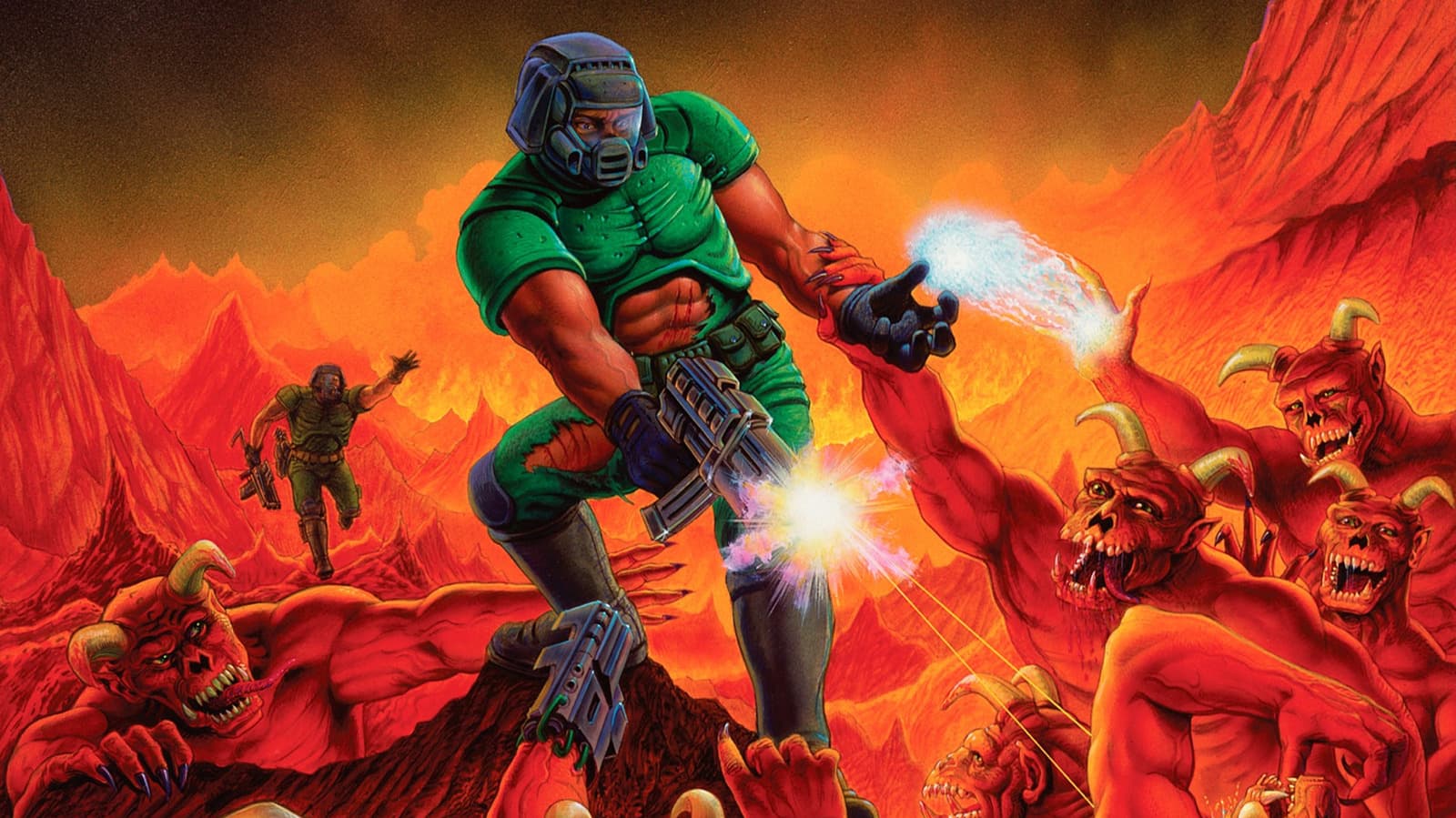
When Doom was released by id Software in 1993, it was a cultural earthquake. The game redefined what a first-person shooter could be, introducing millions of players to fast-paced, visceral combat against hordes of demonic enemies. But as much as the gameplay was groundbreaking, the music was equally essential to the experience. Bobby Prince's compositions for Doom were unlike anything the gaming world had heard before.
Drawing inspiration from heavy metal bands like Alice in Cooper, Metallica, and Pantera, as well as incorporating elements of rock and electronica, Prince created a soundtrack that was as relentless and intense as the gameplay itself. Tracks like E1M1 (At Doom's Gate) became instantly recognizable anthems, setting the tone for an entire genre of gaming and influencing countless composers who followed in his footsteps.
What made Prince's approach so remarkable was his ability to work within the severe technical constraints of early 1990s PC hardware. MIDI-based sound cards limited what composers could achieve, yet Prince found ways to make his music feel powerful, textured, and emotionally resonant despite those limitations. The result was a body of work that has stood the test of time, remaining beloved by fans more than three decades after its original release.
Beyond Doom: A Career of Classic Contributions
While Doom remains the crown jewel of Bobby Prince's discography, his contributions to video game music extended well beyond that one legendary title. He composed music for a number of other classic games that shaped the early first-person shooter landscape, including:
- Doom II: Hell on Earth (1994) — Prince returned to expand the already iconic soundscape of the original game, delivering more hard-driving tracks that kept players on edge throughout the sequel's campaign.
- Wolfenstein 3D (1992) — Often cited as the grandfather of the modern first-person shooter, id Software's Wolfenstein 3D featured music that helped set the stage for the genre's explosive growth. Prince's work on this title demonstrated his versatility and his ability to match tone and atmosphere to gameplay in a way that felt instinctive and natural.
- Commander Keen series — Showing a different side of his musical personality, Prince contributed to this beloved platformer series, proving he could work across genres and tone with equal skill.
Across all of these projects, Prince demonstrated a consistent ability to serve the game first — to write music that enhanced and elevated the player experience rather than drawing attention to itself as a standalone artistic statement. That kind of disciplined, player-focused composition is a hallmark of the very best video game music, and it is something Prince embodied throughout his career.
A Legacy That Echoes Through Decades of Gaming
It is difficult to overstate the degree to which Bobby Prince's work influenced the culture and craft of video game music. In the years since Doom first launched, the game's soundtrack has been re-recorded, reimagined, and performed by orchestras and metal bands around the world. Musicians in virtually every genre have cited the Doom OST as a foundational inspiration. The 2016 reboot of Doom and its 2020 sequel Doom Eternal both leaned heavily into the aggressive, metal-influenced musical identity that Prince helped establish — a clear acknowledgment of just how durable and defining his original vision was.
The gaming community has responded to the news of his passing with an outpouring of tributes from fans, musicians, developers, and journalists. For many, his music was not just a backdrop to gameplay — it was a formative experience, an emotional touchstone tied to specific memories of childhood, discovery, and the sheer joy of interactive entertainment at its most exciting.
Remembering Bobby Prince
Bobby Prince may never have been a household name in the way that the games he helped create became cultural landmarks. But within the gaming community, and among the musicians and composers who followed in his wake, his influence is immeasurable. He helped prove that video game music could be as compelling, as emotionally powerful, and as artistically serious as any other form of composition. He helped turn a young, scrappy medium into something that demanded to be taken seriously.
As players and fans around the world reflect on his passing, the best tribute anyone can offer is simply to fire up Doom, let the opening riff of At Doom's Gate fill the room, and remember what it felt like the first time that music hit. That feeling — raw, electric, and completely alive — is Bobby Prince's legacy. And it is one that will endure for as long as people play games.
Rest in peace, Bobby Prince. The corridors of gaming history echo with your music.