
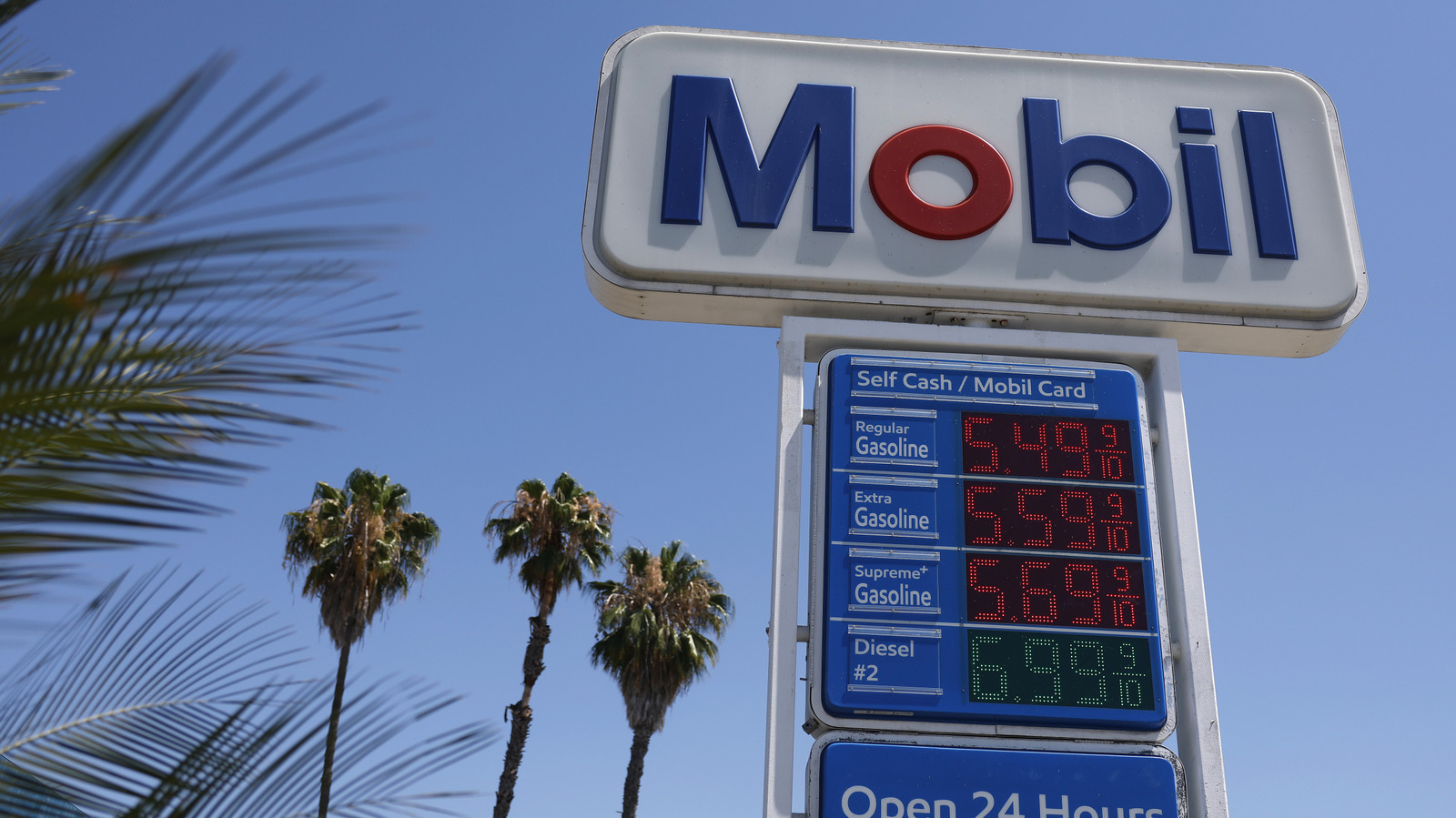
California Gas Prices Are Soaring — And AI May Be to Blame
If you've filled up your tank in California recently, you already know the pain. Gas prices in the Golden State have long outpaced the national average, but 2026 has brought a new level of financial strain to drivers across the state. Now, a newly filed lawsuit is pointing fingers at an unlikely culprit: artificial intelligence. The legal action alleges that gas stations have been using AI-powered pricing software to coordinate fuel price increases — potentially amounting to illegal price-fixing that has cost California consumers millions of dollars at the pump.
The case is raising serious questions about the role of algorithmic pricing in everyday consumer markets, and it could have sweeping consequences not just for the gas industry, but for any sector that relies on AI tools to set prices competitively.
What the Lawsuit Actually Claims
At the heart of the legal complaint is the allegation that gas station operators — whether independently owned or part of larger chains — have been using AI-driven pricing platforms that continuously monitor and respond to competitors' fuel prices in real time. While that might sound like ordinary competitive behavior, the lawsuit argues that when multiple competing businesses all feed their pricing data into the same AI system, the result is something far more sinister: de facto collusion.
In traditional antitrust law, companies are prohibited from agreeing with one another to fix prices. The law has always assumed, however, that this kind of coordination requires direct human communication — a phone call, an email, a handshake deal in a back room. The California lawsuit challenges that assumption, arguing that AI can facilitate price coordination without any explicit agreement ever taking place between human actors.
The mechanism alleged in the complaint works something like this: Gas stations subscribe to a shared algorithmic pricing service. That service collects real-time price data from all of its subscribers, analyzes market conditions, and then recommends or automatically sets prices across all participating locations. Because every station is responding to the same AI-driven signals, prices move in lock-step — rising together without any competitor ever needing to pick up the phone.
A Pattern Being Seen Across Industries
California's legal action is not emerging in a vacuum. Algorithmic price-fixing lawsuits have been gaining momentum across the United States in recent years, targeting industries from apartment rentals to hotels to online retail. One of the most prominent precedents involves RealPage, a software company whose rent-setting algorithms became the subject of a major federal antitrust investigation after landlords in multiple cities were accused of using it to collectively raise rents above competitive levels.
Legal experts and consumer advocates have been warning for years that AI pricing tools present a loophole in existing antitrust frameworks. Traditional competition law was built for a world where human beings made pricing decisions. When an algorithm does the deciding — drawing on pooled competitor data — it can produce the same anticompetitive outcomes as an illegal cartel, while maintaining a veneer of independent, market-driven behavior.
California's lawsuit represents one of the most high-profile attempts yet to apply antitrust principles to AI-assisted pricing in the fuel sector, and the outcome could set a significant legal precedent for how algorithmic coordination is treated under American competition law.
Why California's Gas Prices Are Already a Hot-Button Issue
California consistently pays some of the highest gasoline prices in the continental United States. Several structural factors contribute to this, including the state's unique fuel blend requirements, its higher fuel taxes, stricter environmental regulations, and its relative geographic isolation from major pipeline networks. These are legitimate cost factors — but they have also long made it difficult for regulators and consumers to identify when prices are being manipulated versus simply reflecting genuine market costs.
In 2026, those already-elevated prices have climbed even further, stretching household budgets and drawing increased scrutiny from state regulators and lawmakers. California's attorney general and various consumer protection agencies have ramped up investigations into fuel pricing practices in recent months, and this latest lawsuit appears to be part of that broader wave of accountability efforts.
What Could Happen If the Lawsuit Succeeds
The potential consequences of a successful legal outcome here are far-reaching. Consider what a ruling in favor of plaintiffs could mean:
- Financial penalties for gas station operators who participated in AI-assisted price coordination, potentially including substantial damages paid to affected consumers.
- Restrictions or outright bans on certain AI pricing tools that share competitor data across multiple businesses in the same market.
- A legal framework that regulators in California and other states could use to pursue similar cases in industries well beyond gasoline.
- Greater transparency requirements around how algorithmic pricing tools are built, what data they consume, and how their recommendations are generated.
- Broader federal scrutiny, potentially prompting the Federal Trade Commission to revisit its guidance on algorithmic collusion and competitive pricing practices.
The Bigger Conversation About AI and Market Fairness
This lawsuit touches on one of the most pressing and underappreciated questions of the AI era: as artificial intelligence becomes embedded in the economic infrastructure of everyday life, who is responsible when it produces outcomes that harm consumers? The companies that build the AI? The businesses that deploy it? Or are current laws simply not equipped to handle this new reality?
Critics of heavy-handed regulation warn that algorithmic pricing, when properly designed, can actually benefit consumers by increasing pricing efficiency and reducing human error or bias. Defenders of the technology argue that responding to publicly available competitor prices is no different from what any business owner does when they glance at the gas station across the street and adjust their sign accordingly.
But proponents of the lawsuit counter that scale and coordination change everything. When dozens or hundreds of stations are all feeding into and responding to the same algorithmic engine, the cumulative effect can mirror price-fixing — regardless of whether any individual station owner intended to collude.
What California Drivers Should Know Right Now
For the millions of Californians who fill up their tanks each week, this lawsuit is a reminder that the price on that pump sign may be the product of forces far more complex — and potentially more manipulative — than simple supply and demand. While the legal process will take time, consumer advocates are encouraging residents to use fuel-comparison apps, consider alternative transportation options where feasible, and stay informed about the outcome of this case.
The intersection of artificial intelligence and antitrust law is still being mapped, and California may well be writing some of the most important rules of that new frontier. Whatever the courts ultimately decide, this lawsuit has already done one thing: it has forced a long-overdue public conversation about whether AI is working for consumers, or against them.