
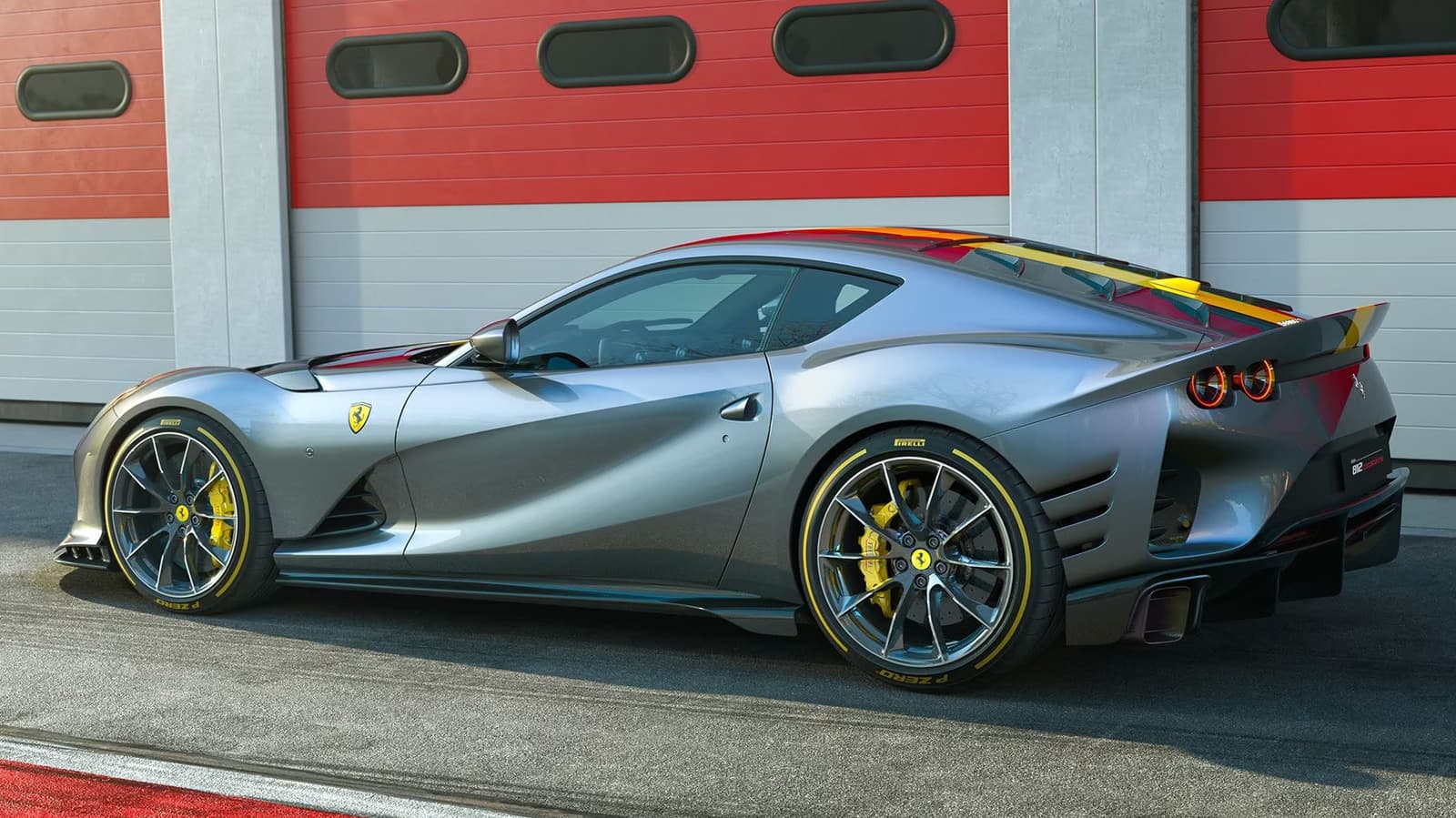
The Art of Speed: Why Ferrari Design Stands Apart
Few names in automotive history carry the visual weight of Ferrari. Since Enzo Ferrari founded the Maranello-based marque in 1947, the brand has consistently delivered automobiles that blur the line between mechanical engineering and sculptural art. Over eight decades, Ferrari has partnered with legendary coachbuilders, pushed boundary-breaking designers, and produced silhouettes that are instantly recognizable anywhere in the world. Whether you're a lifelong enthusiast or a casual admirer, exploring the coolest Ferrari designs of all time is nothing short of a journey through the most exciting chapters of motoring history.
From the curvaceous bodywork of the post-war era to the razor-sharp wedge shapes of the 1970s, and all the way to the aerodynamically aggressive hypercars of the 21st century, Ferrari's design language has never stood still. Yet it has always remained unmistakably Ferrari. This article dives deep into sixteen of the most stunning, influential, and iconic Ferrari designs ever conceived — and explains why each one earned its legendary status.
The Golden Age: Ferrari Designs From the 1950s and 1960s
The earliest Ferraris were shaped almost entirely by the hands of Carrozzeria Touring, Vignale, and most famously, Pininfarina. These coachbuilders brought an organic, flowing aesthetic to Ferrari's racing-bred chassis that made the cars appear to be in motion even at a standstill.
Ferrari 250 GT California Spider
Widely regarded as one of the most beautiful automobiles ever built, the 250 GT California Spider combined open-air freedom with an elegance that has never been replicated. Its long hood, recessed headlights, and perfectly proportioned rear haunches gave it a presence that made Hollywood royalty take notice. Designed by Pininfarina and built by Scaglietti, the California Spider remains a crown jewel of Ferrari's heritage and regularly commands record-breaking prices at auction.
Ferrari 250 GTO
No list of iconic Ferrari designs would be complete without the 250 GTO. Built between 1962 and 1964, this racing icon features a hand-formed aluminum body that prioritized aerodynamic function while accidentally achieving extraordinary beauty. The long, muscular nose, pronounced fender lines, and compact rear end give the GTO an athletic purity that modern designers still study. With only 36 examples ever produced, it is arguably the most desirable car ever made.
The Wedge Era: Bold Shapes from the 1970s and 1980s
As the automotive world entered the 1970s, Ferrari embraced a dramatic stylistic shift. Pininfarina's studios began experimenting with angular, low-slung wedge forms that reflected the space age optimism and performance-first ethos of the decade. The results were polarizing at first — and universally celebrated today.
Ferrari Berlinetta Boxer (BB 512)
Introduced at the 1971 Turin Motor Show, the Berlinetta Boxer signaled that Ferrari was ready to compete directly with Lamborghini's mid-engine formula. Its flat, horizontal roofline, pop-up headlights, and dramatic side strakes made it look like it was designed in a wind tunnel. The BB 512 refined the formula further and remains one of the most poster-worthy Ferraris of the classic era.
Ferrari Testarossa
Perhaps no Ferrari design is more synonymous with an entire cultural decade than the Testarossa. Its iconic side strakes — functional air intakes feeding the mid-mounted flat-12 engine — became a symbol of 1980s excess and ambition. Wide, confident, and immediately recognizable, the Testarossa defined what a supercar was supposed to look like for an entire generation of enthusiasts.
The Modern Era: Ferrari Design in the 21st Century
As computing power and computational fluid dynamics transformed automotive engineering, Ferrari's designers gained new tools to craft shapes of unprecedented complexity. Modern Ferraris are aerodynamic sculptures, where every surface serves a dual purpose: beauty and downforce.
Ferrari Enzo
Named in honor of the company's founder, the Enzo arrived in 2002 looking unlike anything that had come before it. Designed by Ken Okuyama at Pininfarina, its fighter jet-inspired cockpit, exposed carbon fiber panels, and Formula 1-derived aerodynamics gave it an otherworldly presence. The Enzo wasn't just fast — it looked genuinely dangerous.
Ferrari LaFerrari
Ferrari's first hybrid hypercar, the LaFerrari, represents the pinnacle of the brand's design ambition in the modern age. Its near-ground-skimming body, aggressive front splitter, and sculpted rear diffuser are the product of thousands of hours in the wind tunnel. The LaFerrari is a car that looks fast standing still — and it absolutely is.
Ferrari SF90 Stradale
The SF90 Stradale marks Ferrari's most technologically advanced road car to date, and its design reflects that complexity. Active aerodynamic elements, a retractable hard top, and a fastback silhouette inspired directly by Ferrari's Formula 1 program make the SF90 one of the most visually sophisticated road cars ever produced.
Why Ferrari Design Will Always Matter
What makes Ferrari's design legacy so enduring is the brand's ability to balance tradition with innovation. Each new Ferrari must feel connected to the cars that preceded it, yet it must also push the language forward. This tension — between heritage and progress — is exactly what gives every Ferrari its unmistakable identity.
From the hand-hammered aluminum of the 250 GTO to the computer-optimized carbon fiber of the LaFerrari, the tools have changed dramatically. But the intention has never wavered: to build the most beautiful, exciting, and emotionally compelling automobiles on earth. After eight decades, it's safe to say Ferrari is still delivering on that promise — and the world is still watching.
- Ferrari has collaborated with Pininfarina for over 70 years, one of the longest partnerships in automotive design history.
- The 250 GTO regularly sells for over $50 million at auction, making it one of the most valuable cars ever produced.
- The Testarossa's side strakes were originally designed for aerodynamic function, not aesthetics — yet they became the car's most iconic styling feature.
- Ferrari's current design language is overseen by Flavio Manzoni, who has guided the brand's visual identity since 2010.
- Every Ferrari road car produced today incorporates lessons learned directly from the brand's Formula 1 racing program.