
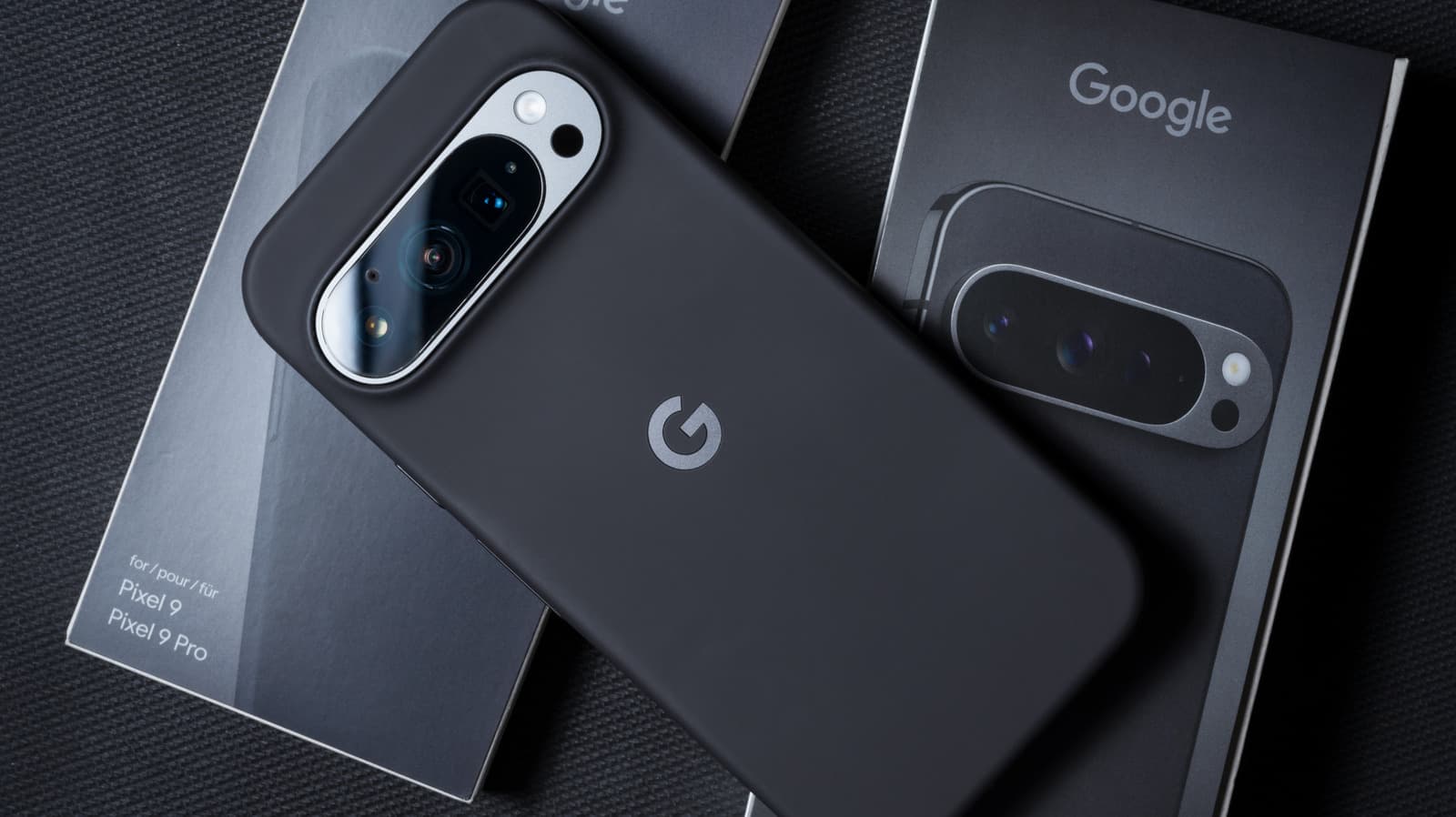
4 Disadvantages Of Buying A Google Pixel Phone You Should Know First
Google Pixel phones have earned a loyal following over the years, and it's easy to see why. They run the cleanest version of Android available, receive software updates faster than virtually any other Android device, and pack impressive camera technology into a relatively sleek design. For many users, a Pixel represents the ideal Android experience straight from the source.
But no smartphone is perfect, and the Google Pixel lineup is no exception. Before you hand over your money and commit to Google's ecosystem, there are some real, meaningful drawbacks you need to consider. Whether you're switching from an iPhone, upgrading from a Samsung Galaxy, or simply shopping around, understanding these disadvantages could save you from buyer's remorse down the road.
Here are four significant disadvantages of buying a Google Pixel phone — and what they might mean for you personally.
1. Limited Hardware Appeal Compared to the Competition
When you line up a Google Pixel next to a Samsung Galaxy S series phone or a premium iPhone, the hardware differences can be striking — and not always in Pixel's favor. While Google has made noticeable improvements with newer Pixel models, the brand has historically struggled to match the premium build quality and display aesthetics that competitors offer at similar or even lower price points.
Samsung, Apple, and even OnePlus consistently push the boundaries of display technology, offering higher refresh rates, brighter panels, and more refined industrial designs. Google's Pixel phones, by contrast, have often been criticized for their somewhat utilitarian appearance and modest display quality relative to price.
If you're someone who cares about having a head-turning device with top-tier screen performance, the Pixel may leave you feeling like you settled. For users who prioritize raw aesthetics and hardware prestige, this is a genuine disadvantage worth weighing carefully before purchase.
2. Inconsistent Availability and Limited Retail Presence
One of the more practical annoyances of owning a Google Pixel is how difficult it can be to actually find one in the wild. Unlike Apple's iPhones or Samsung's Galaxy devices, which are stocked in virtually every electronics store and carrier location across the country, Google Pixel phones are often harder to find on store shelves.
This limited retail presence means that potential buyers may be forced to order online, which eliminates the ability to hold the phone, test its feel, and evaluate the display quality before committing to a purchase. For many consumers, being able to try before you buy is an important part of the decision-making process.
Beyond the initial purchase, the lack of widespread carrier support can also be an issue. Not every carrier actively promotes or officially supports Google Pixel devices the way they do for iPhones or Samsung phones. This can sometimes complicate trade-in deals, financing options, and warranty services — all things that factor into the total cost of ownership.
3. Shorter Long-Term Software Support Than You Might Expect
On the surface, Google Pixel phones seem like the obvious winner when it comes to software updates. As the devices built directly by Google, they receive the latest Android updates the moment they're released, giving them a clear advantage over most Android manufacturers who often lag months behind.
However, when you compare Pixel's software support lifecycle to Apple's iPhone lineup, the picture becomes less flattering. Apple has consistently supported iPhones with major iOS updates for five, six, or even seven years after launch. Google's Pixel phones, while better than most Android competitors, have historically offered around five years of major OS updates — a gap that matters a great deal if you plan to keep your phone for the long haul.
For users who expect their phone investment to last many years without the device becoming outdated or vulnerable to security threats, this shorter support window is a real consideration. If longevity is a top priority for you, Apple's track record in this area remains difficult to beat.
4. The Ecosystem Lock-In Is Real — But Less Robust
Google has worked hard to build out its own ecosystem of apps, services, and smart devices. From Google Home and Nest products to Google One cloud storage and Google TV, there is a growing network of products designed to work best with a Pixel device at the center.
The problem is that this ecosystem still doesn't match the depth, polish, or seamless integration that Apple offers with its tightly woven combination of iPhone, Mac, iPad, Apple Watch, and AirPods. If you're already invested in the Apple ecosystem, switching to a Pixel phone means giving up genuinely useful features like AirDrop, iMessage, Handoff, and universal clipboard.
Even within the Android world, Google's ecosystem can feel less cohesive than Samsung's, which has its own suite of deeply integrated apps and accessories built specifically for Galaxy devices. This means that if you're buying into Pixel hoping for an ecosystem experience that rivals Apple's, you may be disappointed by the gaps that still exist.
Should You Still Buy a Google Pixel Phone?
Despite these disadvantages, Google Pixel phones remain an excellent choice for a specific type of user — particularly those who want a fast, clean Android experience with outstanding computational photography and timely security patches. The Pixel's camera system continues to punch well above its weight class, and the software experience remains among the smoothest in the Android world.
That said, the hardware limitations, restricted retail availability, shorter support windows compared to Apple, and less mature ecosystem are all legitimate reasons to pause before purchasing. By understanding these drawbacks upfront, you'll be far better positioned to decide whether a Google Pixel is truly the right phone for your lifestyle, budget, and long-term needs — or whether a competitor might serve you better.