
How Duolingo Turned My Peaceful Learning Habit Into a Daily Panic
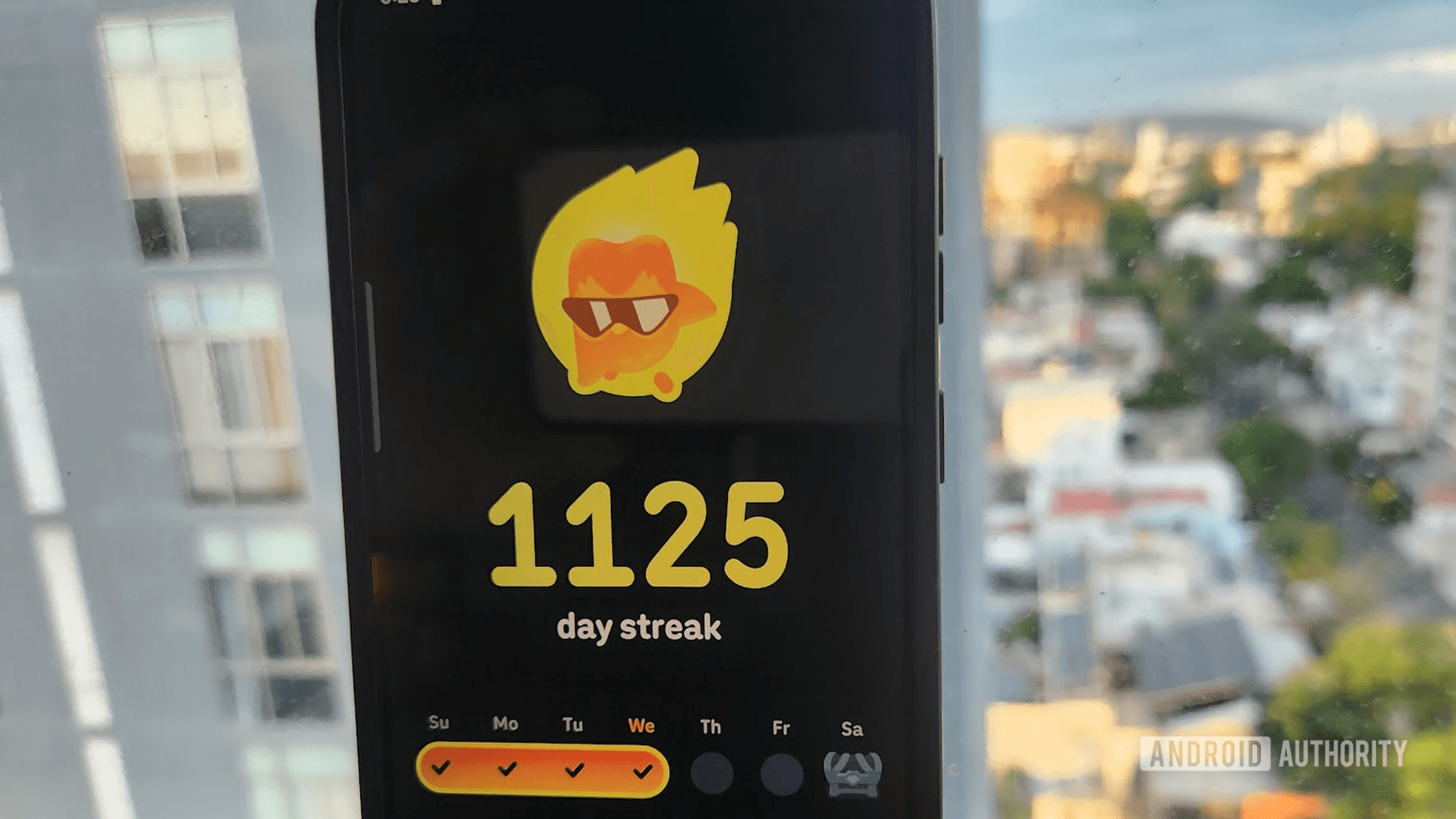
There are very few apps on my phone that I genuinely look forward to opening every day. Duolingo is one of them — or at least, it used to feel that way. After more than a year of consistent use, working my way through Chinese vocabulary and sharpening my Chess tactics, I can confidently say that Duolingo's gamified approach to learning is genuinely brilliant. The daily streak mechanic, in particular, is a masterclass in habit formation. It keeps you accountable, engaged, and surprisingly eager to show up even on your most exhausted evenings.
But something has changed recently, and it's left me with a complicated relationship with an app I once adored. The culprit? XP Boosts. These well-intentioned rewards have quietly transformed my end-of-day wind-down into a mini anxiety spiral, and I suspect I'm far from alone in feeling this way.
What Are Duolingo XP Boosts and How Do They Work?
For the uninitiated, XP (Experience Points) are Duolingo's core currency of progress. You earn them by completing lessons, winning streak bonuses, and engaging with various in-app challenges. XP determines your rank within weekly leaderboards and contributes to your overall sense of advancement within the app.
XP Boosts are time-limited multipliers awarded at the end of lessons, typically doubling or tripling the XP you earn for a short window — often just 10 to 15 minutes. On paper, this sounds like a generous reward. In practice, it's the digital equivalent of someone handing you a free gym membership and then telling you it expires in ten minutes.
The moment that virtual chest bursts open on your screen — "Congratulations! You've unlocked a 3x XP Boost for the next 10 minutes!" — the calm evaporates. Suddenly, the lesson you just completed to quietly maintain your streak is no longer enough. Your brain shifts gears from "I did my bit for today" to "I need to squeeze in as many lessons as humanly possible before this timer runs out."
The Psychology Behind Streaks vs. The Problem With Timed Rewards
To understand why XP Boosts feel so disruptive, it helps to appreciate what made Duolingo's gamification so effective in the first place. Daily streaks work because they tap into a powerful psychological principle: loss aversion. The fear of breaking a streak you've maintained for weeks or months is a surprisingly strong motivator. It nudges you into building a consistent routine without ever feeling aggressive or punishing.
Timed rewards like XP Boosts operate on an entirely different psychological frequency. Rather than encouraging gradual, sustainable behavior, they trigger urgency and scarcity thinking. Instead of "I want to learn today," the internal message becomes "I must act right now or miss out." That's a fundamentally different emotional state, and for learners who use Duolingo as a low-pressure daily ritual, it's genuinely jarring.
The streak says: show up consistently, at whatever pace suits you. The XP Boost says: go harder, go faster, go now. These two messages are in direct conflict, and for a significant portion of Duolingo's user base, the latter is actively undermining the benefits of the former.
Who Does This Actually Affect?
It's worth acknowledging that not everyone experiences XP Boosts as a problem. Competitive users who love climbing the weekly leaderboards likely see them as a golden opportunity. Power learners who set aside dedicated study sessions of an hour or more can absorb the timed pressure easily. For these users, XP Boosts are probably a welcome bonus.
The frustration hits hardest for a different type of learner — the casual, consistency-focused user. This is the person who:
- Uses Duolingo for 5 to 10 minutes a day as a low-effort habit anchor
- Values streak maintenance over leaderboard rankings
- Typically opens the app late in the evening after a long day
- Approaches learning as a form of mental relaxation rather than performance
For this group, the XP Boost doesn't feel like a reward — it feels like homework they didn't ask for. And given that Duolingo's brand positioning is built heavily on the idea that learning should be fun, effortless, and accessible to everyone, that's a meaningful disconnect.
The Broader Issue With Duolingo's Monetization-Driven Gamification
It would be naive to discuss XP Boosts without acknowledging the commercial context in which they exist. Duolingo is a business, and many of its gamification mechanics are designed not only to aid learning but also to drive engagement metrics and promote Super Duolingo subscriptions. More time spent in-app means more exposure to upgrade prompts, more ad impressions, and ultimately more revenue.
That's not inherently sinister — every free app needs a monetization strategy — but it does explain why XP Boosts are designed to pull you deeper into the app rather than reward you for the effort you've already made. The reward isn't really for completing the lesson. It's an invitation to keep going, dressed up as a prize.
What Duolingo Could Do Differently
The good news is that the fix doesn't have to be complicated. A few thoughtful adjustments could preserve the competitive appeal of XP Boosts for power users while eliminating the anxiety they generate for casual learners.
- Make XP Boosts optional or togglable: Let users choose whether they want timed reward mechanics as part of their experience. A simple setting buried in preferences would suffice.
- Extend the boost window significantly: A 10-minute window creates urgency by design. Extending it to an hour or even the rest of the calendar day would preserve the incentive without the panic.
- Offer a streak-safe mode: Allow users who have already met their daily goal to be shielded from time-pressure mechanics for the rest of that day.
- Separate casual and competitive tracks more clearly: Duolingo already has some version of this with its league system, but doubling down on distinct experiences for different learner types would go a long way.
The Bottom Line: Great App, Fixable Flaw
None of this is a reason to abandon Duolingo. The app remains one of the most effective and genuinely enjoyable language learning tools available, and its streak system continues to be one of the smartest habit-building mechanics in the consumer app space. The core experience is still excellent.
But XP Boosts, as currently implemented, are a feature that prioritizes engagement theater over genuine user wellbeing. For the millions of learners who rely on Duolingo as a daily pocket of calm and curiosity, that matters. The best version of Duolingo is one where finishing a lesson always feels like enough — not the beginning of a ten-minute countdown.
Here's hoping the team at Duolingo is listening, because the solution is entirely within reach.