
What Is Flock Safety and Why Are People Talking About It?
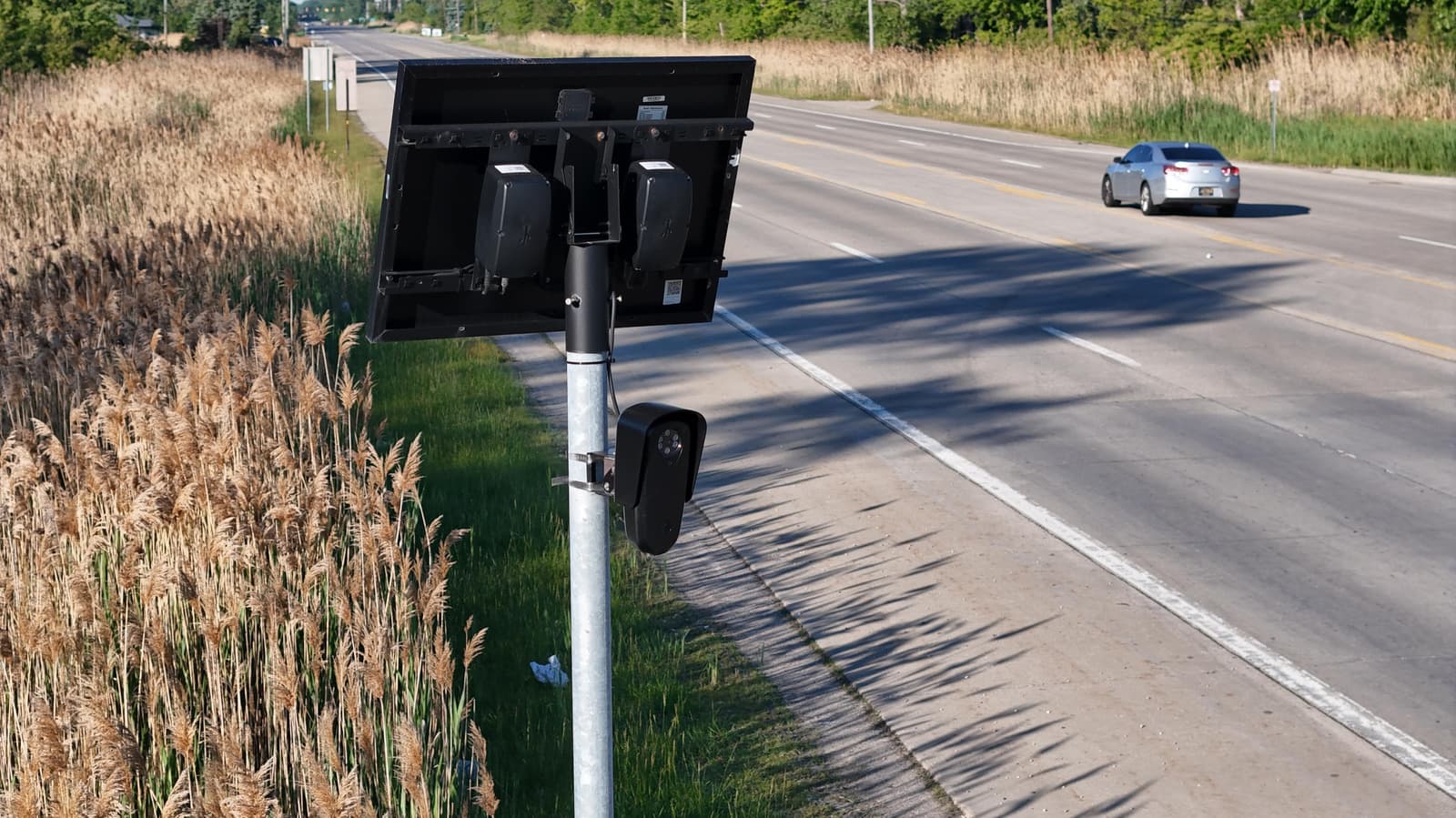
If you've driven through a suburban neighborhood recently and noticed a small white camera perched on a pole near the entrance, there's a reasonable chance it belongs to Flock Safety. Founded in 2017, Flock Safety markets itself as a crime-prevention platform designed to help communities, law enforcement agencies, and private property managers keep people safe. The company has seen explosive growth, with its cameras now deployed in thousands of cities and towns across the United States. But as the network expands, so does a growing wave of concern from privacy advocates, civil liberties organizations, and everyday citizens who are asking a simple but urgent question: exactly what data are these cameras collecting, and who has access to it?
What started as a seemingly straightforward neighborhood safety tool has evolved into one of the most expansive AI-powered surveillance networks in American history — and most people have no idea it exists in their community.
How Flock Cameras Actually Work
Flock Safety cameras are not your ordinary security cameras. They are purpose-built automated license plate readers (ALPRs) equipped with artificial intelligence that goes far beyond simply recording footage. Each camera is designed to capture and analyze passing vehicles in real time, generating what the company calls a "vehicle fingerprint" — a detailed digital profile of every car that drives within range of the lens.
This fingerprint includes far more than just a license plate number. The system logs the date, time, and precise GPS location of each vehicle capture. It also records the make, model, color, and body style of the vehicle. More controversially, Flock's technology can detect and log additional attributes such as bumper stickers, roof racks, tire types, and other distinctive vehicle features that could help identify a specific car even if its plates are obscured or changed.
The cameras are solar-powered, require minimal infrastructure, and can be installed in a matter of hours. This ease of deployment is a major part of why the Flock network has grown so rapidly — and why critics argue that communities are adopting the technology without fully understanding what they're agreeing to.
The Type of Data Collected: More Than You Think
Understanding the Flock camera controversy requires taking a close look at the full scope of data collection. Many residents assume these cameras function like red-light cameras or basic parking lot surveillance — passive, limited, and mostly irrelevant to law-abiding citizens. That assumption is wrong.
- License plate data: Every plate that passes a Flock camera is logged into a searchable database, regardless of whether the vehicle is associated with any criminal activity.
- Vehicle attribute data: The AI system records physical descriptors of vehicles that go well beyond the plate itself, building rich identification profiles.
- Location and movement data: Because Flock cameras are networked across cities and regions, the system can effectively track a vehicle's movements over time and across geographic boundaries.
- Timestamp data: Every capture includes precise timestamps, meaning patterns of daily movement — like when you leave for work or return home — can be reconstructed from the data.
- HOA and private network data: Flock cameras installed by homeowners associations or private businesses feed into the same platform, broadening the surveillance net far beyond public roads.
When this data is aggregated across thousands of cameras and millions of daily captures, it creates a detailed portrait of individual movement patterns that few Americans would knowingly consent to if they fully understood how the system worked.
Why Privacy Experts Say This Is a Serious Problem
The concerns around Flock cameras are not purely theoretical. Civil liberties organizations including the American Civil Liberties Union (ACLU) have raised alarms about the way automated license plate reader data can be used to build retroactive surveillance histories on individuals — including people who have never been suspected of any crime.
One of the core issues is data retention. Flock Safety stores captured data for a default period of 30 days, though this can vary by contract. While 30 days may sound limited, it is more than enough time for law enforcement to query the database in connection with investigations that may have nothing to do with the original stated purpose of the camera network. Critics argue this creates a de facto surveillance dragnet that operates with little meaningful oversight or transparency.
There is also the question of data sharing. Flock Safety allows law enforcement agencies to share access to their camera networks with neighboring jurisdictions through a feature called the "Hot List" and networked agency partnerships. This means data captured by a camera installed by a private HOA in one suburb can potentially be queried by a police department in a completely different city.
The Lack of Transparency and Community Consent
Perhaps the most troubling aspect of the Flock camera controversy is how quietly the technology has been adopted. In many communities, residents have no idea that their daily movements are being captured and stored. Installation decisions are often made by homeowners associations, local police departments, or city managers without any public vote or community input.
Even when communities are informed, the technical language surrounding AI surveillance can make it difficult for the average person to understand what they are consenting to. Terms like "vehicle fingerprint" and "hot list alerts" obscure the reality that a comprehensive movement surveillance infrastructure is being quietly embedded into everyday American life.
What You Can Do About It
Awareness is the first and most important step. If you want to know whether Flock cameras are operating in your neighborhood, you can contact your local police department, homeowners association, or city council directly. Some municipalities have begun adopting data governance policies that limit retention periods and restrict access, and public pressure has been effective in pushing for stronger protections in several jurisdictions.
Organizations like the Electronic Frontier Foundation (EFF) and the ACLU actively track ALPR deployments and provide resources for residents who want to advocate for transparency and reform. Supporting local ordinances that require public approval before surveillance technology can be deployed is one of the most effective ways to push back against the unchecked expansion of networks like Flock Safety.
The Flock camera controversy is ultimately a story about the gap between how surveillance technology is sold to communities and what it actually does once it's installed. Closing that gap requires informed citizens, accountable institutions, and a public conversation that is long overdue.