
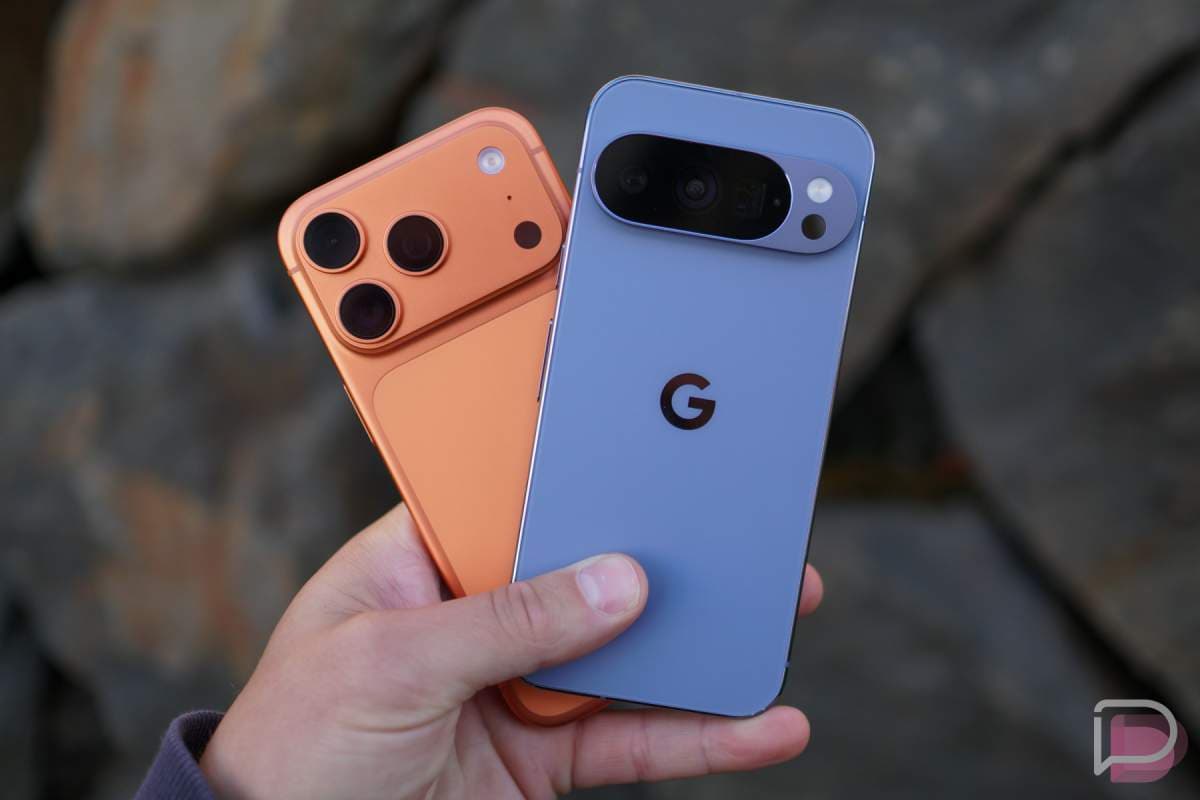
Switching from iPhone to Android Just Got a Whole Lot Easier
For years, one of the biggest friction points for anyone considering leaving Apple's ecosystem has been the switching process itself. Moving your contacts, photos, messages, apps, and settings from an iPhone to an Android device has historically been a frustrating, incomplete, and time-consuming ordeal. But that era may finally be coming to an end. With the arrival of Android 17, Google — in a surprising collaboration with Apple — has introduced a completely overhauled Android Switch process that promises to make the transition smoother, faster, and more comprehensive than anything we've seen before.
Yes, you read that right. Google and Apple, two of the most fiercely competitive companies in the technology industry, have reportedly worked together to improve the experience of switching between their platforms. And if the early details are anything to go by, the result is genuinely impressive.
What Is the New Android Switch Feature?
The new Android Switch feature is a revamped onboarding process built directly into Android 17. It is designed specifically to help users migrate from an iPhone to an Android phone with minimal effort and maximum data transfer. The feature was detailed publicly by Paul Dunlop, who serves as the Product Lead for Android Onboarding and Android Settings at Google. Dunlop shared a comprehensive breakdown of the new system and the response from the tech community has been notably enthusiastic.
What makes this announcement stand out is not just the technical improvements — it is the fact that Google and Apple reportedly worked together on it. This kind of cross-platform collaboration is virtually unheard of between the two companies, and it signals a broader shift in how the industry is beginning to think about user choice and data portability.
Why This Collaboration Between Google and Apple Matters
The smartphone market has long been divided into two camps: iOS and Android. While healthy competition between the two platforms has driven innovation for over a decade, users who wanted to switch sides have often been penalized with a poor migration experience. Data was left behind, app preferences were lost, and the overall feeling of "starting fresh" was enough to deter many people from making the move at all.
By collaborating on the Android Switch process, Google and Apple are acknowledging something important: users should have the freedom to switch platforms without being punished for it. Regulators around the world, particularly in the European Union, have been pushing tech giants to make their ecosystems more open and interoperable. This collaboration could be seen as a proactive step toward meeting those expectations — and it benefits everyday users enormously.
What Data Can You Transfer When Switching from iPhone to Android?
According to the details shared by Paul Dunlop, the new Android Switch process brings over more data than any previous migration tool has managed. While full technical specifications continue to emerge, the key categories expected to be covered include:
- Contacts and calendar events — Your full address book and scheduled events transfer seamlessly, so you do not lose any important information.
- Photos and videos — Your entire camera roll and media library can be moved over without the need for a third-party app or manual backup.
- Messages — One of the most historically painful parts of switching, message history is now better supported in the migration process.
- App data and preferences — Where possible, app data and personalized settings follow you to your new device, reducing the setup time significantly.
- Passwords and credentials — Secure transfer of saved passwords helps users get back to their normal routines without the hassle of logging into every account from scratch.
How Does the Android 17 Switch Process Work?
The new Android Switch experience is built directly into the setup flow of Android 17. When you power on a new Android device and begin the onboarding process, you will be prompted to transfer your data from an iPhone. The process is designed to be guided and intuitive, walking users through each step with clear instructions. On the iPhone side, users can initiate the transfer in a way that works with Apple's existing infrastructure, which is where the collaboration aspect becomes particularly significant.
Rather than relying solely on workarounds or unofficial methods, the new system is built on a foundation that both companies have had a hand in shaping. This means fewer errors, more complete transfers, and a more trustworthy experience overall.
Should You Switch from iPhone to Android?
The decision to switch from iPhone to Android is a personal one that depends on your preferences, your ecosystem of apps, and how deeply embedded you are in Apple's services. However, for those who have been on the fence — perhaps drawn to Android's greater customization, its wider variety of hardware options, or the appeal of the latest Google Pixel or Samsung Galaxy devices — the removal of the switching barrier is a meaningful development.
Previously, the hassle of migration was a legitimate reason to stay put. With Android 17's new Switch feature, that excuse carries a lot less weight. The process is now as close to effortless as it has ever been, and that opens the door for a new wave of users to explore what Android has to offer.
A New Chapter for Platform Portability
The Google and Apple collaboration on Android Switch is more than just a quality-of-life improvement for consumers. It represents a meaningful shift in how two competing tech giants are thinking about user autonomy and the right to move freely between platforms. As digital lives become more complex and more data-rich, the ability to carry your digital world with you when you change devices becomes increasingly important.
Whether you are a long-time iPhone user who has always been curious about Android, or someone being nudged toward a switch by the latest hardware announcements, Android 17 makes this the best possible moment to make the move. The barriers are lower, the tools are better, and for the first time, both platforms are working in your favor.