
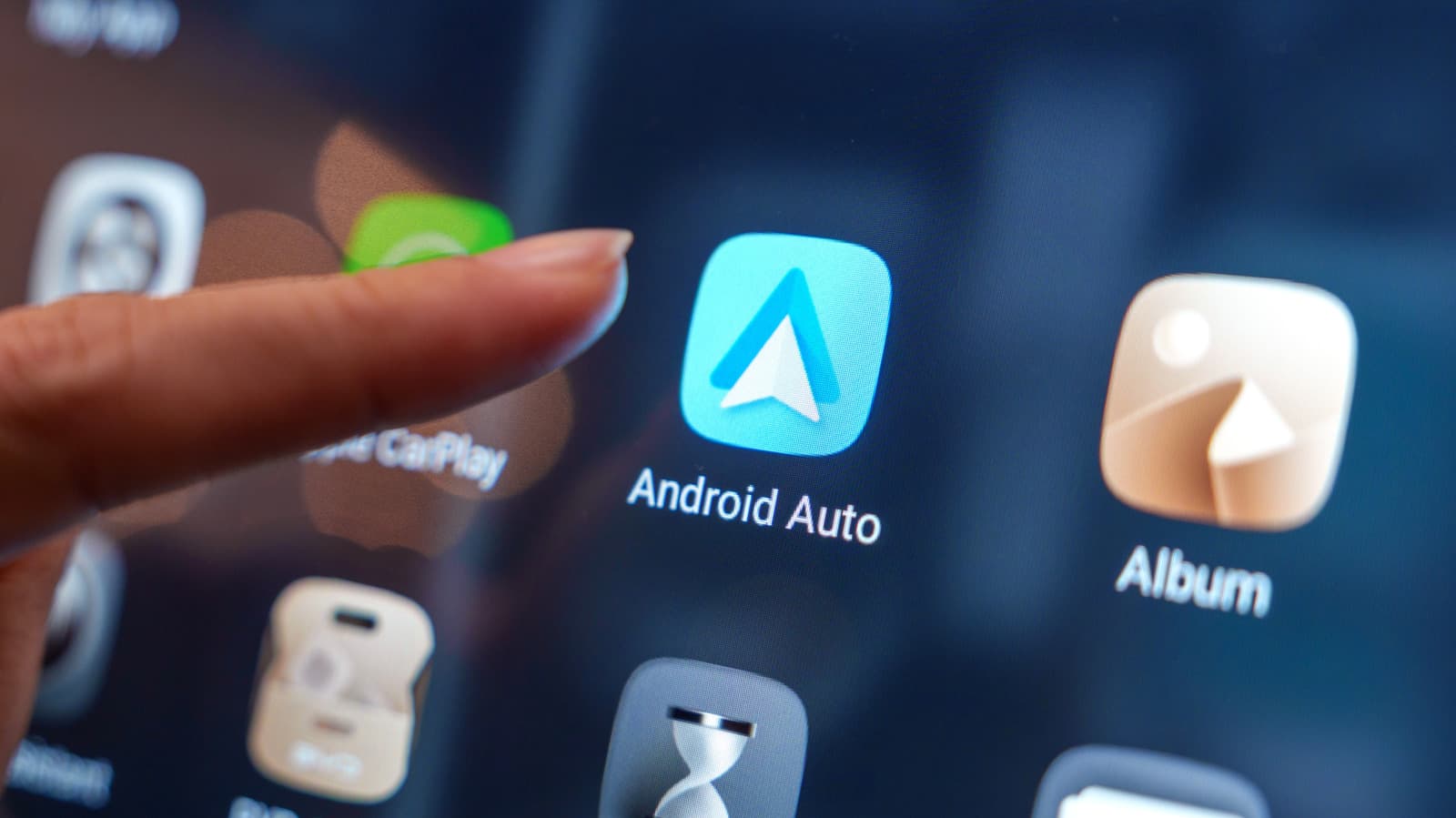
Google Has Quietly Released a Fix for Android Auto Disconnect Problems
If you have been frustrated by your Android Auto connection dropping unexpectedly while driving, you are far from alone. A widespread disconnect issue has been plaguing users of Samsung and Google Pixel phones for weeks, turning what should be a seamless in-car experience into a source of daily annoyance. The good news is that Google has pushed out another fix aimed at resolving these persistent connectivity problems, and many users are already reporting improvements.
In this article, we break down exactly what has been happening with Android Auto, which devices have been most affected, what Google's fix actually addresses, and what you can do right now to get your setup working reliably again.
What Is Android Auto and Why Does It Matter?
For those who may be less familiar, Android Auto is Google's platform that mirrors a simplified, driver-friendly version of your Android phone's interface onto your car's infotainment display. It gives you hands-free access to navigation via Google Maps or Waze, music and podcast apps, phone calls, and messaging — all without needing to touch your phone while driving.
Millions of drivers around the world rely on Android Auto every single day, which is exactly why any disruption to its reliability becomes such a significant issue. When the connection between your phone and your car's head unit drops without warning, it can mean suddenly losing navigation mid-route or missing important calls. It is not just inconvenient — for some drivers, it can be genuinely disorienting and even unsafe.
The Disconnect Problem: What Users Were Experiencing
Reports of Android Auto randomly disconnecting began surfacing across Reddit, Google's own issue tracker, and various tech forums over recent weeks. The complaints were surprisingly consistent: users would connect their phone to the car as usual, Android Auto would launch normally, and then — without any obvious trigger — the connection would drop. In many cases, the app would attempt to reconnect but fail, requiring drivers to unplug and replug the cable or restart the session entirely.
The issue appeared to be concentrated among users of two very specific device families:
- Samsung Galaxy smartphones running recent versions of One UI, including popular models like the Galaxy S24 series and Galaxy S23 lineup.
- Google Pixel phones, particularly those that had received the latest Android software updates, including the Pixel 8 and Pixel 9 series.
Interestingly, the problem seemed to affect both wired and wireless Android Auto connections, which pointed toward a software-level issue rather than a simple cable or hardware fault. This detail was important because it narrowed the likely culprit to either the Android Auto app itself, a recent Android OS update, or some interaction between the two.
Google's Response: A Quiet but Important Fix
True to its somewhat understated style when it comes to minor patch rollouts, Google pushed out a fix for the disconnect issue without a major public announcement. The update was distributed through the Google Play Store as part of an Android Auto app update, meaning most users would receive it automatically without even realizing a targeted fix had been deployed.
This approach is not unusual for Google. Rather than issue a formal press release or detailed changelog entry for every bug fix, the company frequently rolls out stability improvements and patches in the background. While this keeps things clean and simple for the average user, it can leave technically curious users wondering exactly what changed under the hood.
What Google has confirmed, at least through its issue tracker responses, is that the team identified and addressed the root cause behind the unexpected disconnections impacting Samsung and Pixel devices specifically. While the exact technical details have not been made fully public, the fix appears to address how the Android Auto app handles its connection handshake with the car's head unit, particularly after certain system-level interruptions or background process changes.
How to Make Sure You Have the Fix
Because the fix is delivered as an app update rather than a full Android OS patch, getting it applied is straightforward. Here is what you should do to make sure your device has received the corrected version of Android Auto:
- Open the Google Play Store on your Android phone.
- Tap your profile icon in the top right corner and select Manage apps and device.
- Tap Updates available and look for Android Auto in the list.
- If an update is listed, tap Update to install it immediately.
- Alternatively, search directly for "Android Auto" in the Play Store and tap Update if the button is available.
Once updated, it is a good idea to restart your phone before connecting to your car again, giving the app a clean environment in which to run. A fresh connection session after the update will help confirm whether the fix has resolved your specific issue.
What to Do If the Problem Persists
While the majority of affected users seem to be finding relief after the update, a subset of users may still be experiencing issues. If your Android Auto is still disconnecting after updating the app, there are several additional steps worth trying:
- Clear the Android Auto app cache by going to Settings, then Apps, then Android Auto, and selecting Clear Cache.
- Check for a system update on your phone, as Google occasionally pairs app-level fixes with small OS patches that work together.
- Try a different USB cable if you are using a wired connection, since cable degradation can mimic software-level disconnect behavior.
- Revoke and re-grant Android Auto permissions through your phone's settings to reset its system-level access.
- Report the issue through Google's Android Auto issue tracker if none of the above steps resolve the problem, as user reports help Google's engineers prioritize ongoing fixes.
A Pattern Worth Watching
This is not the first time Android Auto has required a reactive patch following user complaints about stability. The app has historically seen waves of connectivity issues following major Android OS updates, suggesting that the interplay between Android's core system processes and Android Auto's connection management is a complex and occasionally fragile relationship.
For Samsung users in particular, the layered nature of One UI adds an additional variable. Samsung's customizations to Android, while generally polished and feature-rich, can occasionally create compatibility friction with Google's first-party apps — especially when both companies are rolling out software updates in close succession.
Google's willingness to push a fix relatively quickly is encouraging and reflects how central Android Auto has become to the daily lives of Android users who drive. As vehicles become more software-dependent and in-car connectivity becomes an expectation rather than a luxury, the reliability of platforms like Android Auto will only grow in importance.
Final Thoughts
The disconnect issues affecting Android Auto on Samsung and Pixel phones were a genuine source of frustration for a large number of users, but Google has moved to address the problem with a targeted update. If you have been experiencing random drops in your Android Auto connection, the most important step you can take right now is to ensure your Android Auto app is fully up to date via the Google Play Store. For most users, that single action should be enough to restore the reliable, connected driving experience that Android Auto is designed to deliver.
Keep an eye on Google's issue tracker and community forums if you want to stay ahead of any future Android Auto stability concerns — and do not hesitate to report persistent problems, because user feedback genuinely does shape how quickly these fixes arrive.