
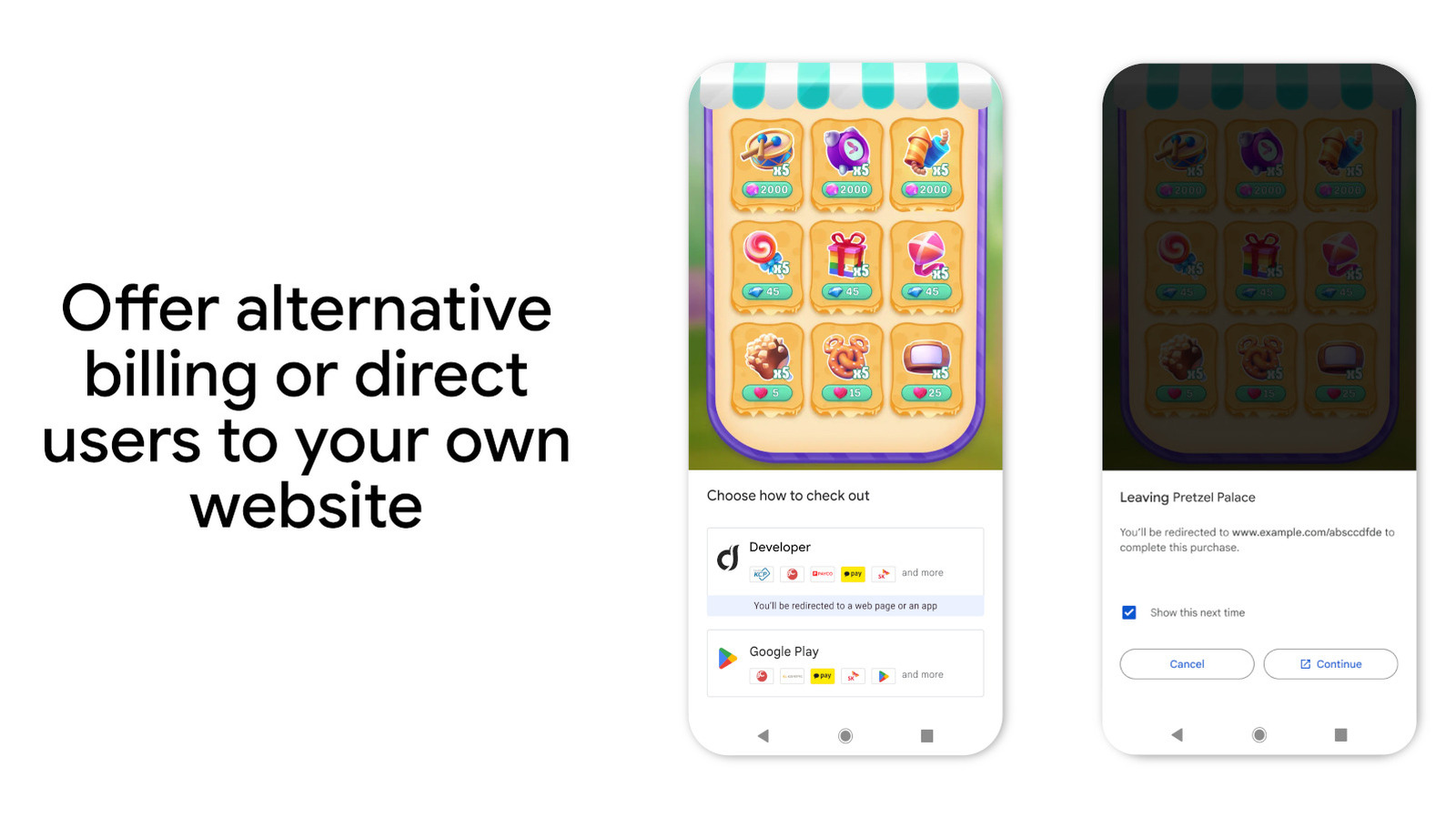
Google Play Store to Allow Outside Billing Starting June 30
In a significant shift for the mobile app economy, Google has announced that it will open the Play Store to outside billing options beginning June 30. Developers operating in the United States, the United Kingdom, and Europe will be permitted to offer their users alternative payment methods beyond Google's own in-app billing system. This move marks a pivotal moment in the ongoing global conversation about app store competition, developer freedom, and consumer choice — and it has wide-ranging implications for everyone in the Android ecosystem.
What Is "Outside Billing" and Why Does It Matter?
For years, Google has required developers who sell digital goods and services through the Play Store to use Google's native billing system. This system routes all in-app purchases through Google's payment infrastructure, allowing the company to collect a service fee — typically between 15% and 30% of every transaction. While Google argued this arrangement ensured security and a seamless user experience, critics — including developers, regulators, and consumer advocates — called it an anticompetitive chokehold on the digital marketplace.
Outside billing, also referred to as alternative billing or user choice billing, allows developers to integrate their own payment processors or third-party billing platforms directly into their Android apps. In practical terms, this could mean a subscription-based app offering payments via Stripe, PayPal, or a direct credit card processor instead of funneling every dollar through Google. For developers, this could translate into meaningfully lower transaction fees. For users, it could mean more payment flexibility and potentially lower prices on the apps and services they love.
Where Will the Change Apply?
Google's updated billing policy will initially roll out across three key markets: the United States, the United Kingdom, and Europe. This geographic targeting is no accident. All three regions have been at the epicenter of regulatory pressure and antitrust scrutiny aimed at major app store operators, including both Google and Apple.
In Europe, the Digital Markets Act (DMA) has compelled large platform gatekeepers to open up their ecosystems to greater competition. In the United States, Google faced a landmark antitrust lawsuit brought by Epic Games and a coalition of state attorneys general, which ultimately ruled against Google's Play Store billing practices. The UK's Competition and Markets Authority (CMA) has similarly been investigating app store dominance. The June 30 rollout is, in many ways, a direct response to these legal and regulatory pressures rather than a purely voluntary business decision.
What This Means for App Developers
Developers stand to benefit considerably from this policy change, though the details will matter enormously. Here is what the shift could mean in practice:
- Reduced transaction fees: By bypassing Google's billing system, developers may be able to negotiate lower processing fees with third-party payment providers, improving their margins and potentially reinvesting savings into product development or user acquisition.
- Greater control over the payment experience: Developers can customize the checkout flow, offer more localized payment options, and build tighter integrations with their own subscription management tools.
- Access to richer customer data: When payments go through a developer's own processor, they typically gain more visibility into subscriber behavior, churn rates, and revenue metrics — data that is often limited when transactions are handled entirely by a platform.
- Compliance complexity: On the flip side, handling payments independently introduces new responsibilities around data security, PCI compliance, fraud prevention, and tax reporting across multiple jurisdictions.
Small indie developers in particular will need to weigh the operational overhead of managing outside billing against the potential financial upside. For large companies with dedicated engineering and finance teams, the transition may be straightforward. For solo developers or small studios, it could require meaningful investment.
What This Means for Android Users
For everyday Android users, the introduction of outside billing could be both a convenience and a source of minor confusion. On the positive side, consumers may see more diverse payment options when purchasing apps, subscribing to services, or buying in-app content. Some developers may pass their savings on to users in the form of lower prices or exclusive discounts for paying outside of Google's system.
However, users accustomed to the simplicity of Google Play's unified billing — where all purchases appear in one place, refunds are handled consistently, and payment details are stored centrally — may find fragmented billing experiences less intuitive. Parents using Family Link to manage children's purchases will also want to pay close attention, as alternative billing systems may not integrate with Google's existing parental controls.
The Bigger Picture: A Shifting App Store Landscape
Google's move reflects a broader transformation underway in the global app economy. Apple, too, has been forced to make concessions — particularly in Europe under the DMA — allowing alternative app marketplaces and payment systems on iOS for the first time. What was once an unassailable duopoly over mobile software distribution is slowly being chipped away by a combination of regulatory action and developer advocacy.
The June 30 deadline is not just a policy update — it is a signal that the era of closed, all-or-nothing app store billing is ending. Developers and businesses that rely on the Play Store should begin auditing their current payment integrations now, exploring third-party billing partners, and assessing what an alternative billing strategy could look like for their specific apps and audiences.
Final Thoughts
Google opening the Play Store to outside billing on June 30 is a landmark development for the Android app ecosystem. Whether driven by regulation, litigation, or market pressure, the result is the same: developers in the US, UK, and Europe will soon have more freedom over how they collect payments. For users, it promises greater choice. For developers, it offers potential savings alongside new complexity. One thing is clear — the mobile payments landscape will never look quite the same again, and staying informed is the first step to staying ahead.