
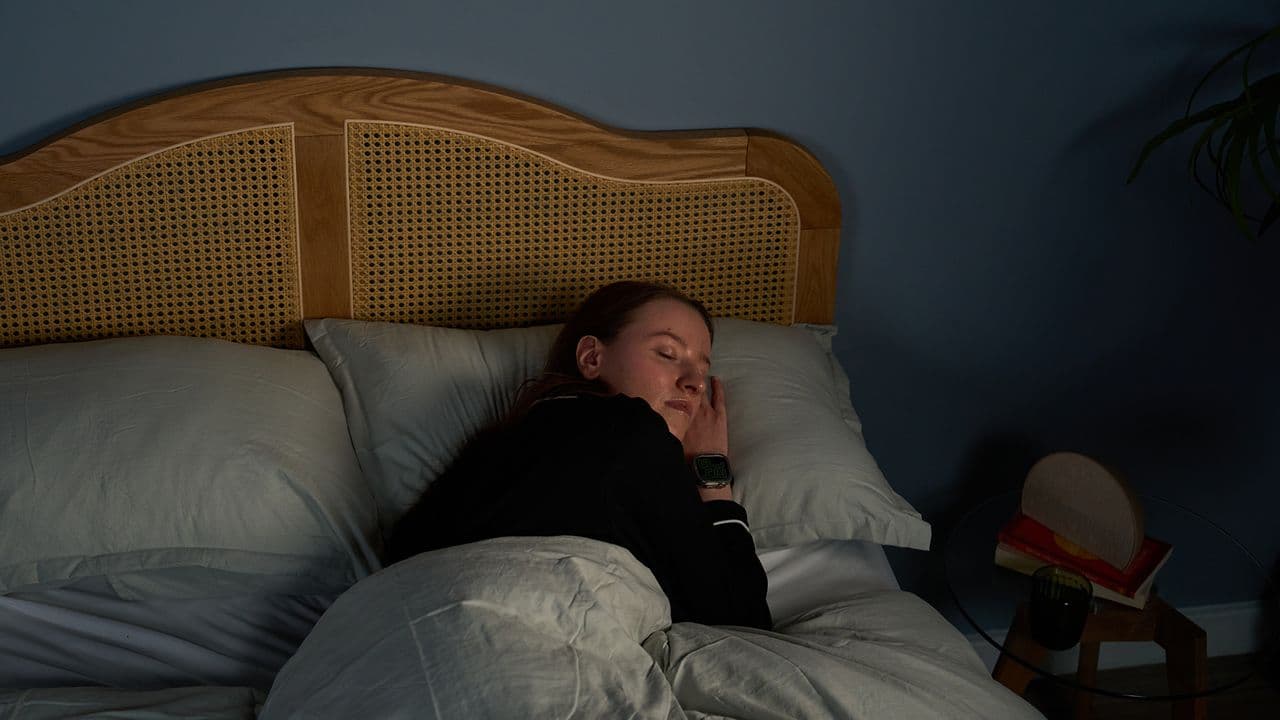
Why Do You Keep Waking Up at 3 A.M.?
If you find yourself jolting awake in the dead of night, staring at the ceiling with a racing mind and no clear reason for being awake, you are far from alone. Waking up between 2 and 4 a.m. is one of the most commonly reported sleep complaints among adults worldwide. It is disruptive, frustrating, and — when it happens night after night — genuinely exhausting in a way that compounds over time.
Sleep specialists have long understood that this particular window of nighttime waking is tied to the body's circadian rhythm and the natural shift from deeper slow-wave sleep into lighter REM sleep cycles. In those lighter stages, the brain becomes more responsive to stressors, anxious thoughts, and even subtle environmental cues. For many people, that transition becomes a trigger point for full wakefulness, and once the mind kicks into gear, falling back asleep can feel nearly impossible.
That is exactly the problem the so-called "invisible day method" aims to solve — and for many people who've tried it, it appears to work remarkably well.
What Is the Invisible Day Method?
The invisible day method is a behavioral sleep strategy centered on one core idea: when you wake up in the middle of the night, you treat the time between waking and your intended morning alarm as if it simply does not exist. You do not check your phone. You do not look at the clock. You do not calculate how many hours of sleep you have left or mentally rehearse the next day's to-do list. In essence, you refuse to acknowledge that it is nighttime at all — at least not in any way that activates your brain's problem-solving or stress-response systems.
The method borrows from established principles in cognitive behavioral therapy for insomnia, commonly known as CBT-I, which is considered the gold-standard treatment for chronic sleep issues. Rather than fighting wakefulness or panicking about it, the invisible day method encourages complete mental neutrality toward the experience of being awake at night.
The Science Behind Why It Works
Sleep doctors and cognitive behavioral therapists point to a well-documented phenomenon called conditioned arousal as the primary culprit behind middle-of-the-night waking. Over time, waking at 3 a.m. and then immediately engaging in anxious clock-watching or worry essentially trains the brain to associate that hour with alertness. The bed becomes a place of mental activity rather than rest, and the nervous system responds accordingly — keeping you awake longer each time.
The invisible day method interrupts this cycle by removing the cognitive and emotional response that reinforces it. When you stop treating the waking as a problem, the brain stops firing up its stress circuitry in response. Cortisol levels — which naturally begin rising in the early morning hours — don't spike as dramatically, and the body is given a clearer path back into sleep.
Research also supports the role of stimulus control in sleep health. The moment you pick up your phone or turn on a light, you are delivering stimulating signals to a brain that is already teetering on the edge of wakefulness. Blue light from screens suppresses melatonin production, and even a brief glance at a clock activates the prefrontal cortex, triggering time-based anxiety ("I only have three hours left"). The invisible day method sidesteps all of this by keeping stimulation at an absolute minimum.
How to Practice the Invisible Day Method
Implementing this approach takes some deliberate preparation and a genuine commitment to changing your nighttime habits. Here is how sleep experts recommend getting started:
- Remove clocks from view before bed. Turn your alarm clock to face the wall or place your phone screen-side down across the room. The goal is to make it physically inconvenient to check the time if you wake up.
- Avoid checking your phone at all costs. Notifications, social media, and even the brightness of the screen are enough to push your brain into a waking state. Charge your phone outside the bedroom if necessary.
- Use passive, low-stimulation relaxation techniques. If you wake up, focus on slow, diaphragmatic breathing or a simple body scan. These techniques lower heart rate and nervous system arousal without requiring mental effort that keeps you alert.
- Resist the urge to problem-solve. The 3 a.m. mind has a well-known tendency to blow small concerns into catastrophes. Acknowledge the thoughts, but do not engage with them. Imagine placing each thought on a passing cloud and letting it drift away.
- Stay in bed — but only if you are relaxed. If after about 20 minutes you are feeling frustrated or agitated, it may help to move to a dim, quiet room for a short period before returning to bed. The key is maintaining low arousal throughout.
Common Mistakes That Undermine the Method
One of the most frequent mistakes people make when trying the invisible day method is treating it as something to be done perfectly from the first night. Sleep habits are built over time, and a single night of checking the clock does not undo your progress. Consistency over days and weeks is what produces lasting change.
Another common error is using the method while also consuming caffeine late in the day, drinking alcohol in the evening, or maintaining irregular sleep and wake times. The invisible day method works best as part of a broader commitment to sleep hygiene. Alcohol, in particular, is notorious for fragmenting sleep during the second half of the night — right around that 3 a.m. window — making the method harder to sustain.
What Doctors Say About This Approach
Sleep medicine physicians are largely supportive of the principles embedded in the invisible day method, particularly because it aligns so closely with CBT-I, which has decades of clinical evidence behind it. Unlike sleep medications, which often address the symptoms of insomnia without changing the underlying thought patterns that drive it, behavioral approaches like this one produce changes that tend to be durable over time.
Doctors also note that middle-of-the-night waking is rarely a sign of a serious medical problem on its own, though persistent, severe sleep disruption accompanied by other symptoms — such as snoring, gasping, or excessive daytime fatigue — may warrant an evaluation for sleep apnea or another condition. For otherwise healthy adults whose primary issue is anxiety-driven waking, methods like this one offer a low-risk, high-reward path forward.
Start Treating the Night as If It Doesn't Exist
The invisible day method is, at its heart, a reframe. It asks you to stop treating 3 a.m. wakefulness as a crisis requiring immediate resolution and instead let the night be what it is — a quiet stretch of time your body is fully capable of navigating back through on its own. By removing the mental noise, the clock-watching, and the anxiety that typically accompany those wakeful moments, you give your brain the conditions it needs to do what it is biologically designed to do: return to sleep.
For many people who have struggled with fragmented sleep for years, that simple shift in perspective turns out to be exactly the intervention they needed all along.