
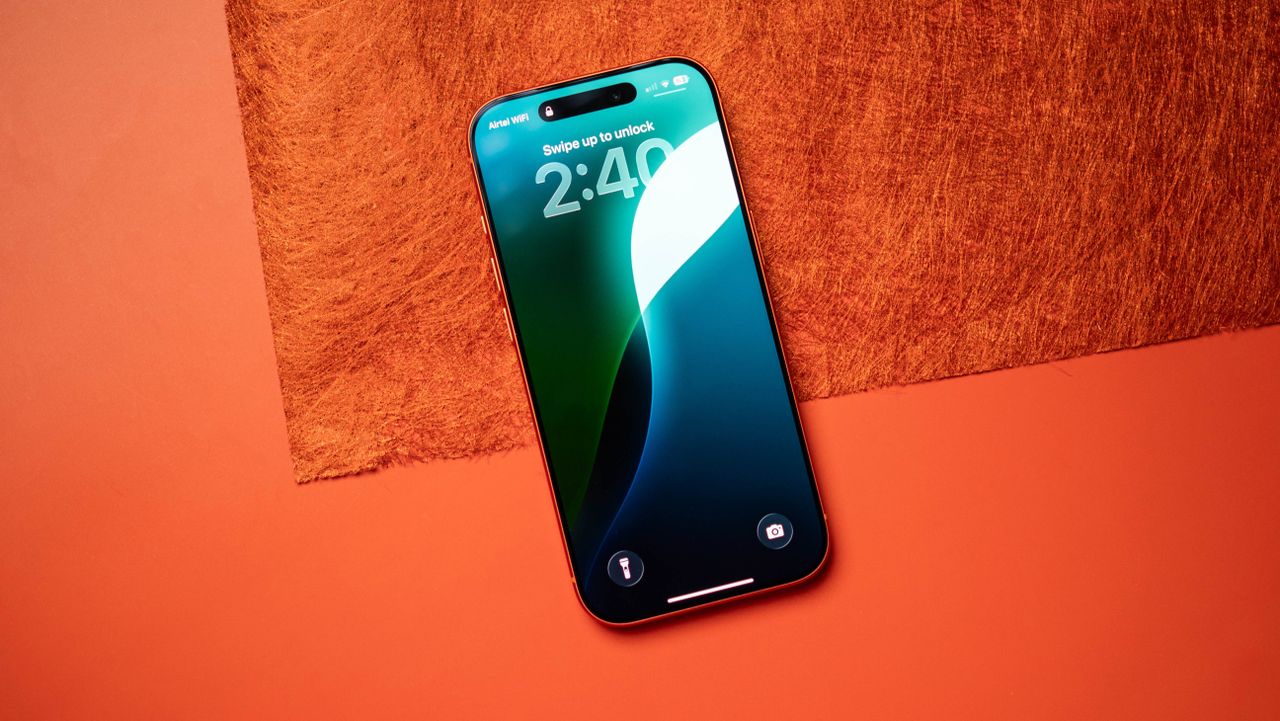
A Confession From an Android Loyalist
It physically pains me to write this. I have been an Android user for well over a decade. I have defended sideloading, championed customization, and rolled my eyes every time someone told me I should "just switch to iPhone." But here I am, hat in hand, ready to admit something that would have been unthinkable even two years ago: Apple's iOS 27 has introduced a handful of features so genuinely useful, so thoughtfully designed, that Google needs to take notes — fast.
This is not a hit piece on Android. Android remains the most flexible, powerful, and open mobile operating system on the planet. But competition drives innovation, and iOS 27 has raised the bar in some very specific ways that deserve honest acknowledgment. So, swallowing my pride, here are the five iOS 27 features I believe Android desperately needs.
1. Adaptive AI Context Engine
Apple's Adaptive AI Context Engine in iOS 27 is perhaps the most talked-about feature of the entire release cycle. Rather than requiring users to manually invoke an AI assistant, the system continuously builds a lightweight, on-device contextual model of what you are doing, where you are, and what you might need next — without sending your data to the cloud.
The result is uncanny. Your phone suggests drafting a reply to an email before you even open your inbox. It pre-loads directions to a location mentioned in a message from two hours ago. It learns your morning routine and silences interruptions accordingly, without you ever touching a setting.
Android's Google Assistant and Gemini integrations are powerful, but they still feel reactive. You summon them; they respond. Apple's approach flips that dynamic entirely. Google has the AI talent and the data infrastructure to do something similar — arguably better — and the fact that it has not yet arrived in a stable, cohesive form on Android is a genuine gap.
2. Cross-Device Continuity for Third-Party Apps
Apple's Handoff feature has existed for years, but iOS 27 dramatically expanded it to include seamless continuity for virtually any third-party application — not just Apple's own suite. Start editing a document in a third-party word processor on your iPhone, walk over to your Mac, and pick up exactly where you left off, cursor position and all.
Android has Google's own ecosystem glue, and Chrome does a decent job syncing tabs across devices. But true, universal cross-device continuity for third-party apps is something Android still lacks. Samsung DeX and Microsoft's Phone Link have taken partial swings at this, but no unified, platform-level solution exists for Android users the way iOS 27 now provides for Apple users. Google needs to solve this at the OS level, not leave it to manufacturers or third-party workarounds.
3. Permission Time-Locks
Privacy has been an ongoing battleground between Apple and Google, and iOS 27 just pulled ahead again with Permission Time-Locks. The feature allows users to grant app permissions not just on a "once" or "always" basis, but for a specific duration — one hour, one day, until the end of the week, or until you leave a location.
This granularity is genuinely brilliant. Need to share your location with a food delivery app just for this order? Grant it for thirty minutes and it disappears automatically. Android introduced one-time permissions several versions ago, which was a step in the right direction, but time-based and location-triggered permission expiry is a meaningful leap that Google should have made first. It did not. Apple did.
4. Intelligent Notification Batching With Smart Summaries
Notification management is one of the most persistent frustrations in mobile UX. iOS 27's Intelligent Notification Batching groups not just by app, but by inferred priority and topic, then generates a concise AI-written summary of what you missed during a focus period. Instead of returning to forty-seven notifications, you see five grouped summaries in plain English.
Android has notification channels and bundling, and Google introduced some AI-summarized notification features in recent Pixel updates. But the implementation remains inconsistent across devices and Android versions. On a Samsung, a Motorola, and a Pixel, notification behavior can feel like three entirely different operating systems. Apple's tightly controlled ecosystem means this feature works identically everywhere. Google needs to standardize and amplify its own version — and make it available across all Android devices, not just Pixels.
5. Live Translate in Every App, Natively
iOS 27 baked live, real-time translation directly into the text rendering layer of the operating system. This means that in literally any app — not just Messages or Safari — text can be translated instantly without copying and pasting into a separate tool. Read a foreign-language tweet, a menu in a photo, a PDF contract from an overseas partner — it all translates in place.
Google Translate is arguably the best translation product in the world. Google Lens does remarkable things with images. But having these capabilities siloed in separate apps rather than woven into the OS fabric is a missed opportunity. The technology exists. The integration just needs to happen at the platform level, the way Apple has now done it.
The Bottom Line: Healthy Rivalry Benefits Everyone
Admitting that a competitor has done something well is not weakness — it is how you get better. Android's openness, customization depth, and hardware diversity remain unmatched. But iOS 27 has demonstrated that polish, thoughtful AI integration, and OS-level feature cohesion are not things Android can afford to treat as secondary priorities.
Google has every resource it needs to match and surpass each of these features. The question is whether it will move with the urgency the moment demands. As an Android fan, I am sincerely hoping the answer is yes — because the best version of this rivalry is one where both platforms keep each other honest, and where users on every device end up winning.