
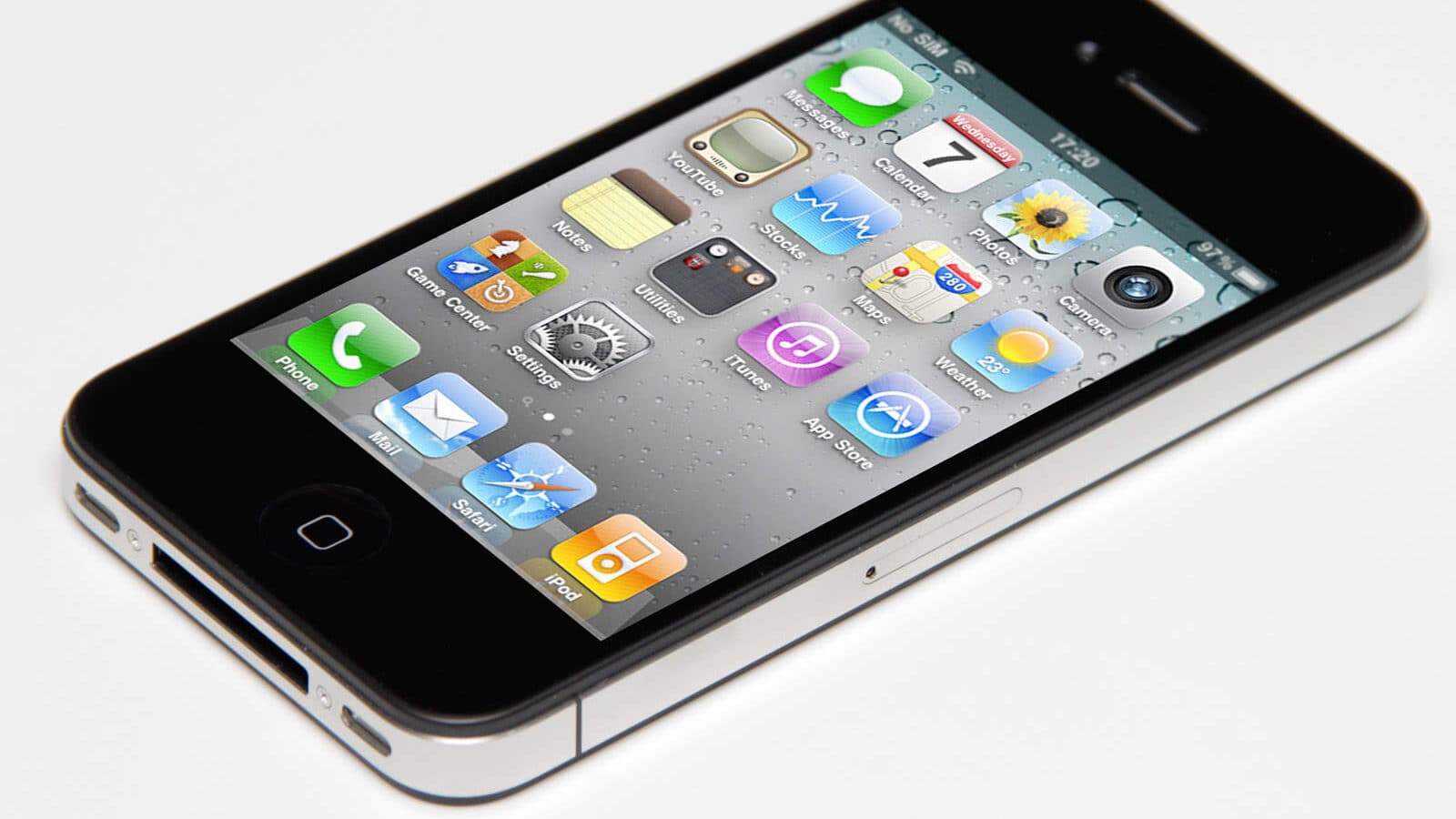
June 21, 2010: The Day iOS 4 Changed Everything
On June 21, 2010, Apple officially released iOS 4 — one of the most consequential software updates in the history of the iPhone. More than just a routine upgrade, iOS 4 represented a fundamental shift in what a smartphone operating system could do. It introduced features that users had been demanding for years, and it laid the groundwork for the modern iPhone experience we know today. From FaceTime video calling to true multitasking, iOS 4 was a defining moment in Apple's mobile journey.
To fully appreciate the impact of iOS 4, it helps to look back at where Apple was in 2010. The App Store had only launched two years earlier. The original iPhone didn't even support third-party apps at launch. By the time iOS 4 arrived alongside the iconic iPhone 4, Apple was ready to make a bold statement about what mobile software could truly accomplish.
FaceTime: Apple Reinvents Video Calling
Perhaps the single most talked-about feature of iOS 4 was FaceTime. Introduced alongside the iPhone 4 hardware, FaceTime gave users the ability to make high-quality video calls over Wi-Fi — for free. While video calling wasn't a brand-new concept in 2010, Apple's implementation was polished, intuitive, and seamlessly integrated into the phone's native calling experience in a way that no competitor had managed at the time.
Steve Jobs personally demonstrated FaceTime during the WWDC 2010 keynote, calling it "an open industry standard." He connected live with Jony Ive in a now-legendary demo that drew a standing ovation. The emotional weight Apple placed on the feature — showing a father connecting with his newborn baby, a woman speaking with a deaf friend in sign language — signaled that Apple saw FaceTime as more than a gimmick. It was a genuine human communication tool.
FaceTime required the iPhone 4's front-facing camera, which was itself a new addition to Apple's hardware lineup. The combination of the software and the new camera transformed how people thought about staying in touch, and it paved the way for the video-call culture that would become ubiquitous over the following decade.
Multitasking: Finally, Running Apps in the Background
Before iOS 4, iPhones could only run one app at a time. When you switched away from an app, it closed completely. This was a significant limitation — one that Android users and critics frequently pointed out. With iOS 4, Apple introduced a form of multitasking that allowed apps to continue running processes in the background while users navigated elsewhere.
Apple's approach was characteristically deliberate. Rather than allowing every app to run entirely in the background (which would drain battery life rapidly), iOS 4 introduced seven specific multitasking services:
- Background audio, so music apps could keep playing while you browsed the web.
- Voice over IP (VoIP), enabling apps like Skype to receive calls even when not open.
- Background location, allowing navigation apps to keep tracking your position.
- Push notifications, keeping apps responsive without needing to stay active.
- Local notifications, letting apps schedule alerts independently of Apple's servers.
- Task completion, giving apps time to finish long tasks like uploading files.
- Fast app switching, which froze apps in place so you could return to them instantly.
This selective multitasking approach was criticized by some as a compromise, but in practice it struck a smart balance between functionality and battery preservation — a balance that many Android manufacturers would later struggle to maintain on their own devices.
Other Major iOS 4 Features Worth Remembering
While FaceTime and multitasking dominated the headlines, iOS 4 was packed with additional improvements that significantly enhanced the day-to-day iPhone experience.
Folders for App Organization
For the first time, users could organize their apps into folders by dragging one icon on top of another. It sounds simple, but for anyone who had accumulated dozens or hundreds of apps, folders were a revelation. Apple even suggested folder names automatically based on App Store categories, making the feature feel polished and intelligent right out of the box.
A Unified Inbox for Email
iOS 4 introduced a unified inbox in the Mail app, allowing users with multiple email accounts to see all their messages in one place. Previously, you had to navigate into each account separately. This update alone made the iPhone significantly more practical as a business tool.
iBooks and Digital Reading
Apple's iBooks app, which had debuted on iPad earlier that year, came to the iPhone with iOS 4. Users could now purchase, download, and read books directly on their phone — a move that placed Apple more squarely in competition with Amazon's Kindle ecosystem.
Improved Camera and Digital Zoom
The camera app received meaningful updates, including 5x digital zoom and the ability to tap to focus during video recording. Paired with the iPhone 4's improved camera hardware, these software enhancements helped cement the iPhone's growing reputation as a serious point-and-shoot replacement.
The Devices That Received iOS 4 — and Those That Didn't
iOS 4 was available for the iPhone 3G, iPhone 3GS, and the newly launched iPhone 4. However, not all devices received all features equally. The iPhone 3G received the update but was notably excluded from multitasking support — a decision Apple made to protect performance on the older hardware. This led to widespread complaints that iOS 4 actually slowed down the iPhone 3G considerably, a controversy that foreshadowed ongoing debates about Apple's software support policies for aging devices.
iPad support for iOS 4 came later in the year with iOS 4.2, which brought multitasking, folders, and AirPlay to Apple's then-new tablet.
Why iOS 4 Still Matters Today
Looking back from today's perspective, iOS 4 represents a critical turning point. It was the update that made the iPhone feel truly modern — capable of managing multiple tasks, enabling rich communication, and organizing a growing digital life in intuitive ways. Many of the features it introduced are now so fundamental that it's hard to imagine the iPhone without them.
FaceTime alone has become a cultural institution, used by hundreds of millions of people worldwide and expanded significantly in subsequent iOS versions with group calling, SharePlay, and spatial audio. Multitasking evolved into the sophisticated background processing system that powers everything from navigation to real-time translation today.
iOS 4 also demonstrated Apple's philosophy at its clearest: don't just add features for the sake of adding them. Make each feature work beautifully, protect the user experience, and introduce complexity only when it enhances simplicity. That philosophy, established and refined through updates like iOS 4, continues to define Apple software development to this day.
On June 21, 2010, Apple didn't just release a software update. It released the blueprint for the modern smartphone experience — and the world of mobile technology has never looked back.