
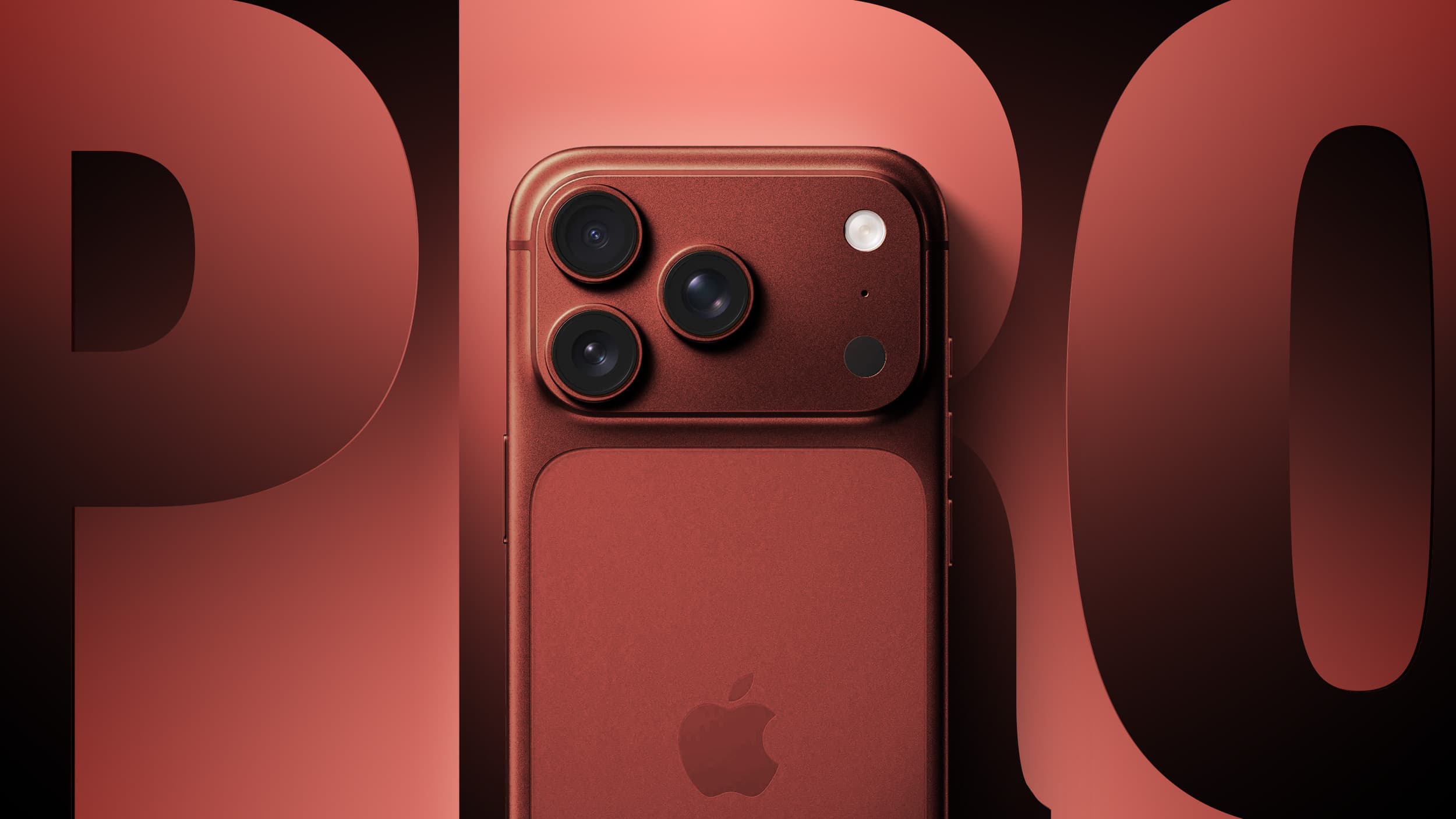
iPhone 18 Pro Could Cost $1,399 — Here's Why Apple Is Raising Prices
Apple has officially confirmed that price increases are on the way across its product lineup, and the numbers being floated are turning heads. According to a new analysis published by The Wall Street Journal, the iPhone 18 Pro could start at as much as $1,399 — a significant jump from the iPhone 17 Pro's $999 starting price. For millions of Apple loyalists who upgrade annually, this potential price hike raises an important question: what is actually driving costs so high, and is there any chance it gets reversed?
The short answer is that the global memory chip market is under enormous pressure, and the iPhone is caught squarely in the crossfire. Here is a full breakdown of what we know so far and what it means for consumers planning to buy Apple's next flagship.
Apple CEO Tim Cook Acknowledges the Problem
In a candid conversation with The Wall Street Journal, Apple CEO Tim Cook admitted that the company is not shielded from the rapidly escalating cost of memory chips. When pressed on which specific devices would see price increases and exactly when those changes would take effect, Cook offered a measured response: "We're still working through that." He indicated that consumers should expect clearer pricing information to arrive alongside the official iPhone 18 lineup announcement, which is widely anticipated for September 2026.
Cook's acknowledgment is notable because Apple has historically been tight-lipped about internal supply chain pressures ahead of product launches. The fact that he is openly signaling price hikes this far in advance suggests the scale of the cost increases is simply too large to absorb quietly behind the scenes.
The Real Culprit: AI Data Centers Are Eating the World's Memory Chips
To understand why iPhone prices might surge, you need to understand what is happening in the global semiconductor supply chain. The root cause is the explosive growth of artificial intelligence infrastructure. AI data centers — operated by companies like Microsoft, Google, Amazon, and Meta — require enormous quantities of high-performance DRAM and NAND flash storage to power large language models, training clusters, and inference servers.
This surge in enterprise-level AI demand has caused major memory manufacturers, including Samsung Electronics and Micron Technology, to shift a significant portion of their production capacity away from consumer-grade chips and toward enterprise-scale memory products. The result is a classic supply squeeze: consumer electronics manufacturers like Apple are competing for a shrinking pool of available memory components, and prices are responding accordingly.
Research firm TechInsights, cited in The Wall Street Journal's analysis, projects that prices for both DRAM and flash storage could roughly quadruple by fall 2026 compared to where they stood just a year earlier. That is not a modest uptick — it is a structural shift in the cost landscape for every consumer device that relies on memory chips, from smartphones to laptops to tablets.
Breaking Down the Cost Numbers: DRAM and Flash Storage
TechInsights provided some striking cost estimates that help illustrate just how dramatic the component price increases have become. According to their analysis, Apple paid approximately $39 for the 12GB of DRAM inside the iPhone 17 Pro. For the iPhone 18 Pro, that same memory component could cost Apple as much as $145 — a more than threefold increase for a single component.
The situation with flash storage is similarly challenging. The 256GB NAND flash tier, which cost Apple around $13 per unit in the iPhone 17 generation, is expected to climb sharply as well. When you factor in the combined cost increases across both DRAM and flash storage, Apple's total memory-related bill of materials for the iPhone 18 Pro could increase by well over $100 per device compared to its predecessor.
Apple does not pass costs on to consumers at a one-to-one ratio — the company's notoriously high margins give it some flexibility — but cost increases of this magnitude simply cannot be fully absorbed without adjusting retail pricing.
What a $1,399 Starting Price Would Mean for the iPhone Market
If the iPhone 18 Pro does launch at $1,399, it would represent a 40 percent price increase over the iPhone 17 Pro's $999 entry point. That is a psychologically and financially significant threshold that could reshape purchasing behavior in several ways.
- Upgrade cycles may lengthen. Consumers who currently upgrade every one or two years may decide to hold onto their existing devices for an additional cycle, putting pressure on Apple's annual revenue growth.
- The mid-range gets more competitive. A $1,399 Pro model makes the standard iPhone 18 — likely priced in the $799 to $899 range — look considerably more attractive, and it gives Android competitors a strong value narrative.
- Trade-in programs become more important. Apple and carrier trade-in deals will likely be heavily promoted to soften the sticker shock and keep the upgrade path accessible for existing iPhone owners.
- Emerging markets feel the squeeze most. In regions where Apple already competes against aggressively priced Android flagships, a $1,399 Pro could effectively price the device out of consideration for a large segment of aspirational buyers.
Is There Any Chance Prices Come Down?
The memory chip shortage linked to AI infrastructure buildout does not appear to be a short-term problem. Analysts across the semiconductor industry have noted that new manufacturing capacity takes years to come online, and the appetite for AI compute is showing no signs of slowing. For consumers hoping that a glut of cheap chips is just around the corner, the near-term outlook is not encouraging.
That said, Apple has a long history of negotiating aggressively with suppliers and locking in long-term contracts at favorable rates. It is possible that the final iPhone 18 Pro pricing lands below the $1,399 figure currently being cited, particularly if Apple chooses to accept thinner margins on the base configuration to maintain mass market appeal.
What to Watch For in September 2026
Tim Cook confirmed that definitive pricing details will accompany the iPhone 18 launch event, expected in September 2026 as part of Apple's traditional fall announcement cycle. Between now and then, the most important signals to watch are movements in DRAM and NAND flash spot prices, any supply chain announcements from Samsung or Micron, and whether Apple's competitors — particularly Samsung with the Galaxy S26 series — choose to absorb costs or pass them on to consumers as well.
For now, the message from Apple is clear: the era of sub-$1,000 flagship iPhones may be drawing to a close, and the memory chip market is largely to blame. Whether that translates to a $1,399 price tag or something slightly more modest remains to be seen, but consumers should start preparing for a meaningfully more expensive iPhone 18 Pro this fall.