
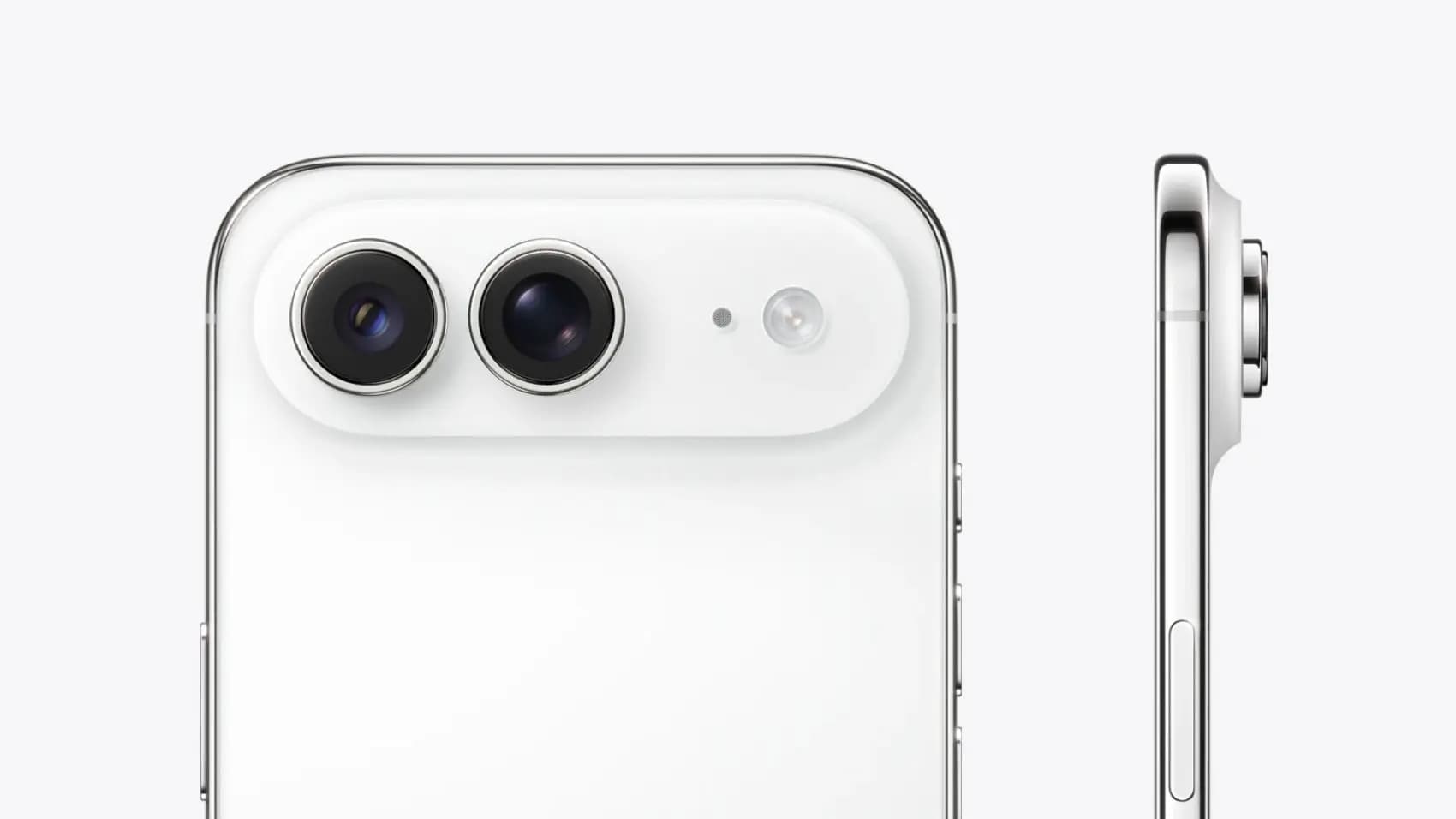
iPhone Air 2 Could Be the Ultra-Thin iPhone Apple Fans Have Been Waiting For
When Apple introduced the original iPhone Air, reactions were mixed. Tech enthusiasts applauded the audacious thinness and the bold design direction, but many everyday consumers raised legitimate concerns: Was the battery life good enough? Was the camera system competitive with the rest of the iPhone lineup? Would Apple's thinnest iPhone yet actually hold up as a daily driver? Now, according to recent reports, the iPhone Air 2 is shaping up to answer those questions directly — and it could arrive as early as spring 2026 with meaningful upgrades that address the very criticisms that made some buyers hesitant the first time around.
What Made the Original iPhone Air a Hard Sell for Some Buyers
The first iPhone Air was a genuine engineering achievement. Apple managed to squeeze its latest chip and a capable display into a frame thinner than almost any smartphone on the market. For users who prioritize portability and aesthetics above all else, it was a dream device. But the compromises were real and hard to ignore.
Battery life was perhaps the most frequently cited complaint. To achieve that wafer-thin profile, Apple had to fit a smaller battery cell inside the chassis, and while software optimization helped, the results simply could not match what you got from the standard iPhone 17 or the Pro models. For users commuting, traveling, or working long days away from a charger, that gap mattered.
The camera system also drew scrutiny. The original Air launched without an ultra-wide lens, a feature that had become essentially standard across the broader iPhone lineup. For casual photographers who loved capturing wide landscapes, group shots, or architectural images, the omission felt like a meaningful step backward rather than a neutral trade-off for slimness.
The iPhone Air 2 Rumor Roundup: What Upgrades Are Coming
According to industry insiders and supply chain reports, Apple appears to have heard the feedback loud and clear. The iPhone Air 2 is expected to debut with two particularly headline-worthy improvements that directly target the weaknesses of its predecessor.
An Ultra-Wide Camera Is Finally Coming
The most exciting camera news for prospective iPhone Air 2 buyers is the addition of an ultra-wide lens. If the rumors prove accurate, this would bring the Air's camera setup into closer alignment with the standard iPhone models, removing one of the key reasons photography enthusiasts had been steering away from the ultra-slim handset.
An ultra-wide camera significantly expands creative shooting options. Whether you are capturing a sweeping landscape, fitting everyone into a group photo, or shooting in tight indoor spaces where stepping back is not an option, the ultra-wide lens is a tool that genuinely changes what is possible with a smartphone camera. Its presence in the iPhone Air 2 would signal that Apple is no longer asking buyers to sacrifice photography versatility for the sake of thinness.
Apple's computational photography prowess also means the ultra-wide sensor would benefit from the same image processing enhancements found in the rest of the lineup, including improved low-light performance and support for advanced shooting modes.
Better Battery Life Could Finally Silence the Critics
The second major expected upgrade is improved battery life — arguably the most critical fix Apple needs to deliver if the iPhone Air 2 is to shed its reputation as a compromise device. Reports suggest Apple has been working on both hardware and software solutions to extend the battery endurance of the Air without dramatically increasing the thickness of the chassis.
On the hardware side, advances in chip efficiency play a significant role. Each successive generation of Apple Silicon delivers more performance per watt, meaning the same battery capacity stretches further. If Apple pairs these chip-level efficiency gains with a modestly optimized battery cell design, the iPhone Air 2 could plausibly match or approach the real-world endurance of its standard iPhone siblings.
From a user perspective, this change alone could transform the iPhone Air 2's market positioning. Right now, many buyers who love the form factor are talked out of it by battery anxiety. Remove that concern, and the Air becomes a far more compelling proposition for a much wider audience.
Who Is the iPhone Air 2 Really For?
Apple's strategy with the Air line seems clear: offer a premium, ultra-slim iPhone for buyers who want something different from the standard rectangular slab that dominates the market. Think of the frequent traveler who wants to minimize what is in their pocket, the fashion-conscious user for whom the phone is as much an accessory as a tool, or the person who simply finds large, thick phones uncomfortable to hold and use one-handed.
With the expected upgrades in tow, the iPhone Air 2 broadens its appeal considerably. It is no longer just for design devotees willing to accept trade-offs. It becomes a genuinely well-rounded device that happens to also be extraordinarily thin.
When Will the iPhone Air 2 Be Released?
Current reports point to a spring 2026 launch, consistent with Apple's pattern of releasing non-standard iPhone models outside of the traditional fall window. Apple has increasingly used spring launches to generate buzz and sales momentum in a traditionally quieter quarter for consumer electronics.
Pricing has not been confirmed, but given that the original iPhone Air occupied a premium tier, buyers should expect the sequel to carry a similar or slightly higher price point reflecting the hardware additions.
Should You Wait for the iPhone Air 2?
If you were on the fence about the original iPhone Air because of its camera or battery limitations, the short answer is yes — waiting appears to make sense. The expected upgrades are not minor refinements; they address the core functional gaps that made the first Air a tougher sell.
For anyone already in the market for a new iPhone and drawn to the Air's distinctive design language, the iPhone Air 2 could represent the most compelling version of Apple's slim phone ambition yet — a device where radical thinness and everyday usability finally coexist without asking too much of the buyer in return.