
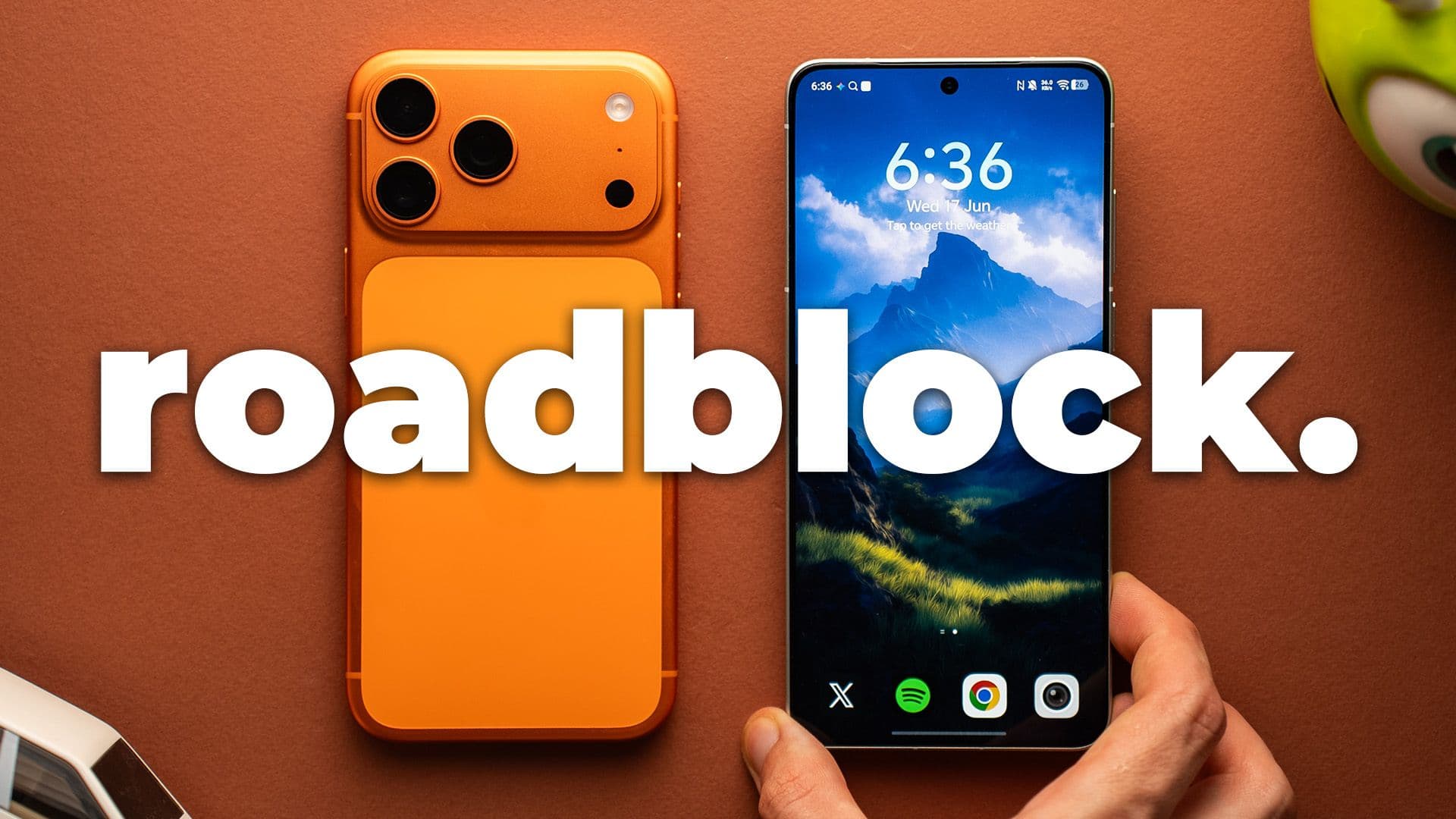
The iPhone Is Holding Android Back: How Apple's Dominance Shapes the Entire Smartphone Industry
For well over a decade, the smartphone industry has been defined by two competing visions of what a mobile device should be. On one side, Apple's iPhone — a tightly controlled, vertically integrated ecosystem built around a singular design philosophy. On the other, Android — an open, fragmented, endlessly customizable platform powering devices from hundreds of manufacturers across the globe. On the surface, this looks like a healthy rivalry pushing both sides to innovate faster. But dig a little deeper, and a more complicated picture begins to emerge. The iPhone isn't just competing with Android. In many meaningful ways, it's actually holding it back.
How the iPhone Sets the Pace for the Entire Industry
Apple occupies a unique position in the smartphone market. Despite Android commanding a far larger share of global device sales, Apple captures the lion's share of smartphone industry profits and dominates the premium segment almost entirely. This financial gravity gives Apple an outsized influence over how the broader industry evolves — not just in terms of design trends, but in terms of what features get prioritized, which technologies get adopted at scale, and how fast the ecosystem as a whole moves forward.
When Apple introduces a feature — whether it's Face ID, MagSafe charging, or the transition away from the headphone jack — the rest of the industry scrambles to respond. Android manufacturers often have innovative technologies ready months or even years before Apple ships them, but they struggle to achieve mainstream adoption without Apple's blessing. Wireless charging is a perfect example. Android phones had it years before the iPhone 8 introduced it in 2017. Yet consumer awareness and adoption didn't spike until Apple got on board. That dynamic is a revealing one.
The App Ecosystem Problem
One of the most concrete ways the iPhone constrains Android's potential is through the app development ecosystem. Developers — particularly those building consumer-facing applications — have long prioritized iOS over Android, despite Android's larger global install base. The reasons are well documented: iOS users tend to spend more money on apps and in-app purchases, and Apple's tighter hardware ecosystem makes it easier to develop and test for a consistent experience.
The consequence is that Android users frequently receive apps later, with fewer features, and with less polish. Groundbreaking features that Android's hardware could theoretically support go unrealized because developers haven't built for them first. The iPhone's dominance among high-value users creates a feedback loop that continuously deprioritizes Android innovation at the software level, regardless of how powerful Android hardware becomes.
Carrier and Regulatory Influence
Apple's relationship with mobile carriers around the world also has a ripple effect on Android. Carriers negotiate deals with Apple that often come at the expense of how aggressively they promote or subsidize competing Android devices. In the United States particularly, iPhone-exclusive promotions and carrier lock-in strategies have shaped consumer purchasing behavior in ways that disadvantage the broader Android market. When carriers compete aggressively for iPhone customers, Android manufacturers — even flagship ones like Samsung and Google — find themselves playing a secondary role in retail environments and promotional campaigns.
This extends into regulatory conversations as well. Apple's market position means that when governments scrutinize the mobile market — app store fees, sideloading, browser engine restrictions — the conversation almost always centers on Apple's policies. The outcomes of those regulatory battles shape what Android can and can't do in response, even though Android's own policies are often quite different. Android ends up being defined in contrast to the iPhone rather than on its own terms.
The Interoperability Trap
iMessage is perhaps the most discussed example of how Apple's ecosystem decisions actively constrain Android's reach. By keeping iMessage exclusive to Apple devices and deliberately limiting the experience for SMS interactions with Android users — the notorious "green bubble" problem — Apple creates social pressure that discourages switching. Young users in particular report that being on Android carries a social stigma in iPhone-heavy social circles, a dynamic Apple has done little to address despite growing regulatory scrutiny.
This isn't just a social inconvenience. It's a structural barrier to Android adoption in key demographics. When teenagers feel social friction for not having an iPhone, Android manufacturers lose customers before they've even had a chance to compete on hardware or software merits. The playing field is tilted not by innovation, but by network effects Apple has deliberately cultivated and maintained.
What Android Could Be Without the iPhone's Shadow
None of this is to say that Android is without fault. Google's own fragmentation challenges, inconsistent software update policies across manufacturers, and a historically weaker approach to privacy have all limited Android's appeal at the premium end of the market. But imagining what Android might look like in a world where the iPhone didn't dictate so many of the industry's underlying rhythms is a genuinely interesting exercise.
- App developers might invest more equally across both platforms, unlocking Android-specific hardware capabilities far sooner.
- Carriers might compete more aggressively on Android device promotions, driving faster hardware innovation cycles.
- Interoperability standards like RCS might have achieved universal adoption years earlier, eliminating the messaging divide entirely.
- Regulatory energy might focus more directly on Android's own ecosystem challenges rather than being consumed by Apple-centric debates.
A Rivalry That Isn't Quite Equal
The iPhone and Android have coexisted for nearly two decades, and that rivalry has genuinely produced remarkable technology for consumers on both sides. But calling it an equal competition obscures how deeply Apple's decisions shape the conditions under which Android must operate. From app economics to carrier dynamics to social network effects, the iPhone casts a long shadow over the Android ecosystem — one that limits what Android can become, not because Android lacks the technology, but because the industry's incentives keep flowing toward Cupertino.
Understanding this dynamic matters for consumers, developers, policymakers, and anyone who wants to see genuine, broad-based innovation in the smartphone space. Competition is only as healthy as the conditions that surround it — and right now, those conditions are far from level.