
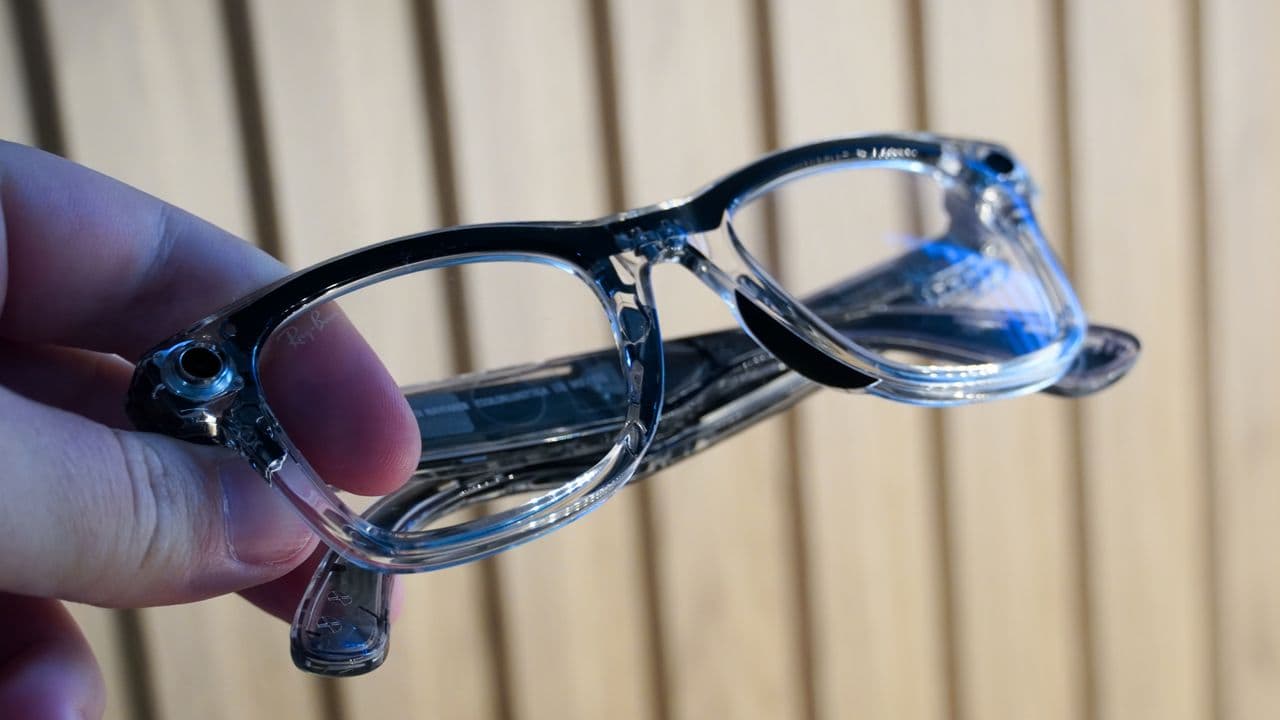
Meta Honors American Veterans With Ray-Ban AI Smart Glasses Donation
As the Fourth of July approaches, technology giant Meta has made a heartfelt and meaningful announcement: the company will donate its Ray-Ban AI smart glasses to legally blind American veterans. The initiative, unveiled through Meta's official newsroom, shines a light on the more than 130,000 legally blind veterans living in the United States today. Through a series of strategic partnerships, educational programs, and in-person events, Meta is working to ensure that those who served their country have access to life-changing assistive technology.
The Scale of the Problem: 130,000 Legally Blind Veterans
Many people are unaware of just how many American veterans are living with significant vision loss. According to Meta's announcement, there are more than 130,000 legally blind veterans across the country. These individuals face unique challenges in daily life, from reading documents and navigating unfamiliar spaces to managing phone calls and maintaining independence. Traditional assistive technologies have long helped bridge some of these gaps, but AI-powered wearables represent a significant leap forward in what's possible.
Meta's decision to donate Ray-Ban AI glasses to this population isn't just a gesture of goodwill — it's a recognition that emerging technology can serve a deeply practical and humanitarian role. The timing ahead of Independence Day adds symbolic weight to the initiative, honoring veterans with tools that can genuinely restore a measure of independence in their daily lives.
How Meta's Partnership With the Blinded Veterans Association Works
The cornerstone of this initiative is Meta's partnership with the Blinded Veterans Association (BVA), a nonprofit organization dedicated to supporting veterans who have lost their sight in service to the nation. Through this collaboration, Meta is rolling out a multi-pronged approach to both distribute the glasses and ensure veterans know how to use them effectively.
Monthly Educational Webinars
One of the key components of the program is a series of monthly webinars hosted in partnership with TechSoup. These online sessions are designed to be educational and interactive, giving blind and low-vision veterans the opportunity to ask questions about their AI glasses, troubleshoot common issues, and receive ongoing support from knowledgeable presenters. By keeping these webinars monthly and accessible online, Meta ensures that veterans in rural areas or those with limited mobility can still participate and benefit.
A Dedicated Training Guide for Blind and Low-Vision Veterans
Recognizing that technology is only useful when people know how to use it, the BVA is developing a comprehensive training guide specifically tailored to blind or low-vision veterans. This guide will cover a range of practical topics, including:
- Voice command activation for hands-free control of the glasses
- Reading documents aloud using AI-assisted features
- Answering and managing phone calls through the device
- Navigating daily tasks with greater autonomy and confidence
This structured approach to onboarding is critical. For veterans who may not be tech-savvy or who are new to wearable AI devices, having a clear, accessible, and veteran-specific guide can make the difference between a device sitting in a drawer and one that genuinely transforms daily life.
In-Person Events for Hands-On Support
Beyond the digital support offered through webinars and training materials, Meta is also committing to in-person events where veterans can receive their Ray-Ban AI glasses directly and get early hands-on assistance. These events are designed to create a welcoming, supportive environment where veterans can learn from trained representatives and ask questions face-to-face.
This human-centered approach acknowledges that for many veterans — especially older ones or those dealing with multiple disabilities — in-person guidance is far more effective than self-directed online tutorials. By pairing device distribution with immediate technical support, Meta and its partners are maximizing the likelihood that veterans will successfully integrate the technology into their lives.
Building Community Among Blind and Low-Vision Veterans
One of the more underappreciated aspects of this initiative is its community-building dimension. Meta has stated that its partnerships are designed not only to help blind or low-vision veterans access technology but also to connect them with others who share similar experiences. Vision loss can be an isolating experience, and the sense of belonging that comes from shared community — particularly among veterans who understand each other's sacrifices — can be profoundly meaningful.
Whether through the monthly webinars or the in-person events, veterans participating in this program will have opportunities to meet and bond with peers navigating the same challenges, creating a support network that extends well beyond the glasses themselves.
How Eligible Veterans Can Request a Device
For veterans who believe they may qualify for this program, getting started is straightforward. Meta has directed eligible individuals to visit the BVA's official page for blinded veterans to formally request a device. This streamlined process ensures that glasses reach those who need them most with as little friction as possible.
If you know a legally blind veteran who could benefit from this technology, sharing this information with them — or with their caregivers — could make a real difference in their quality of life.
Meta's Broader Push Into Smart Glasses Technology
This charitable initiative comes at a time when Meta is doubling down on its investment in smart glasses as a product category. The company has been steadily rolling out updates to its Ray-Ban lineup, including significant new features for the Ray-Ban Display glasses. Among the reported additions is Palm Unlock, a biometric access method that allows users to unlock their glasses using a simple hand gesture — a particularly useful feature for users who may struggle with more conventional unlock methods.
Looking ahead, industry watchers are expecting Meta to make major announcements about its smart glasses ecosystem at Connect 2026, with potential collaboration from Qualcomm adding further intrigue. As the hardware and software capabilities of these devices continue to evolve, their potential as assistive tools for people with visual impairments will only grow.
Why This Initiative Matters Beyond the Headlines
At its core, Meta's Ray-Ban AI glasses donation program for legally blind veterans is about more than positive press ahead of a national holiday. It represents a meaningful application of cutting-edge technology in service of a vulnerable and deserving population. For a veteran who lost their sight protecting their country, regaining the ability to read a document, navigate a grocery store, or simply answer a phone call independently is nothing short of transformative.
As AI-powered wearables become more capable and more affordable, initiatives like this one set a powerful precedent: that the benefits of technological progress should extend to everyone, especially those who have given the most. Meta's partnership with the BVA is a step in the right direction, and one that other tech companies would do well to follow.