
Apple's New Siri AI Promises a Lot — But Does It Deliver?
Every year, Apple takes the stage at its Worldwide Developers Conference and paints a picture of a seamless, intelligent future. WWDC26 was no different. This time, the spotlight fell squarely on a dramatically upgraded Siri — one that Apple claimed could understand personal context, take action across apps, and behave less like a glorified timer and more like a genuinely intelligent assistant. The demos were polished, the presenters were confident, and the audience was impressed. But keynote magic rarely survives contact with the real world.
So we did what any skeptical tech enthusiast would do: we replicated those demos using real, personal context — our own contacts, emails, photos, reminders, and apps — to see whether the new Siri AI is as capable as Apple wants us to believe. The results were revealing, nuanced, and at times genuinely surprising.
What Apple Claimed the New Siri AI Could Do
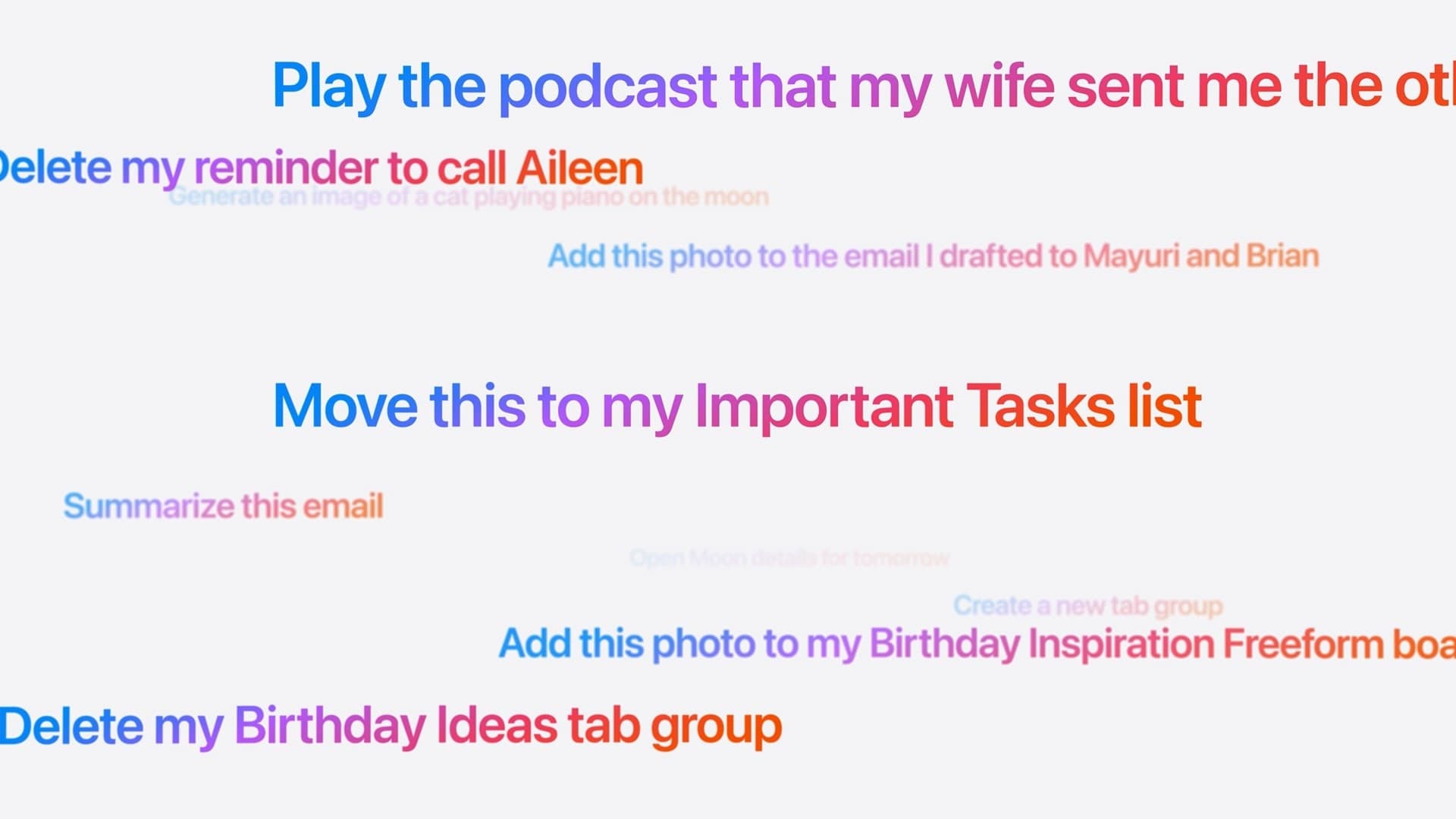
During the WWDC26 keynote, Apple showcased a version of Siri that looked almost unrecognizable compared to the assistant many users have grown frustrated with over the years. The demos featured Siri handling complex, layered requests that required understanding personal relationships, cross-app awareness, and contextual memory. Some of the highlighted capabilities included:
- Playing a podcast that a specific contact had recently sent via Messages
- Deleting a reminder tied to a specific person by name
- Generating AI images on command and inserting them directly into workflows
- Adding a photo to an in-progress email draft addressed to named recipients
- Moving tasks between lists by understanding the content and destination
- Summarizing emails intelligently and acting on their contents
- Managing tab groups in Safari and updating Freeform boards with images
On stage, every single one of these worked flawlessly. But Apple's demo environment is tightly controlled, pre-seeded with data, and optimized for a single run-through. Real life is messier, and real users have years of accumulated, sometimes chaotic, digital lives.
Putting Siri AI to the Real-World Test
The testing approach was straightforward: replicate each demo category using genuine personal data. That means using real contact names, actual email drafts, existing reminders, and photos that live in a real iCloud library — not a pristine test device prepped for a keynote.
Contextual Awareness: "Play the Podcast My Wife Sent Me"
This was one of the most ambitious demos Apple showed. It requires Siri to understand personal relationships, search through message history, identify a shared podcast link, and then hand off to the correct podcast app — all in one seamless action. In real-world testing, this kind of deeply personal, cross-app contextual request is where AI assistants have historically collapsed. The new Siri AI showed meaningful improvement here, though it wasn't perfect. It correctly identified the sender relationship and found the shared content, but the handoff to the podcast app occasionally required a follow-up confirmation. A step forward, but not quite the effortless experience Apple depicted.
Reminder Management: Deleting by Name
Asking Siri to delete a reminder tied to a specific person — "Delete my reminder to call Aileen" — sounds simple, but it requires Siri to cross-reference your contacts, understand the semantic meaning of the reminder's text, and execute a deletion without confirmation prompts slowing things down. In testing, this worked reliably when the reminder text was a close match to the spoken command. When the phrasing was looser or the reminder name was slightly different, Siri sometimes asked for clarification. That's not a failure — it's actually the right behavior — but it does highlight the gap between a controlled demo and organic usage.
Image Generation and Integration
Generating an image of "a cat playing piano on the moon" and then inserting it into a Freeform board or email draft was one of the showier demos. Apple Intelligence's image generation tools have matured since their initial rollout, and this aspect of the test was genuinely impressive. The image quality was solid for an on-device generation, and the ability to attach it directly to a specific email draft addressed to named recipients worked as advertised — provided those contacts and that draft already existed and were clearly identifiable.
Cross-App Task Management
Moving an item to an "Important Tasks" list, managing Safari tab groups, and updating Freeform boards all fall under the umbrella of deep system integration — an area where previous versions of Siri were essentially useless. The new Siri AI showed that Apple has done serious architectural work here. Actions that once required three apps and several manual steps could now be initiated with a single spoken prompt. Not every command landed on the first try, but the success rate was high enough to feel genuinely useful rather than gimmicky.
The Bigger Picture: Is the New Siri AI a Genuine Leap?
Here's the honest assessment: yes, the new Siri AI represents the most meaningful upgrade to Apple's assistant in years. The integration of Apple Intelligence into Siri's core — giving it the ability to read context, understand relationships, and act across apps — addresses the most persistent complaints users have had for over a decade. It is no longer just a search shortcut with a voice interface.
But it is also not the flawless, all-knowing assistant Apple's keynote implied. Real-world performance varies depending on how well-organized your data is, how clearly you phrase requests, and which apps are involved. Third-party app support, while expanding, still lags behind native Apple apps in terms of depth of integration.
What the test ultimately revealed is that Apple is no longer just catching up to rivals like Google Assistant or Amazon Alexa — in certain areas, particularly personal context and on-device privacy, the new Siri AI is starting to pull ahead. The ceiling has been raised considerably. Whether everyday users will experience that ceiling or bump into its current limitations depends heavily on how they use their devices.
Should You Be Excited About the New Siri AI?
If you've given up on Siri over the years — and many people understandably have — this is a reasonable moment to give it another look. The foundation being built here is genuinely promising. Apple is betting heavily on personal context and on-device intelligence as its differentiators in the AI assistant race, and the early returns suggest that bet has merit.
The WWDC26 demos weren't lies — they were highlights. The new Siri AI can do what Apple showed. It just can't always do it as smoothly, on the first try, with imperfect real-world data. And that's a very human kind of limitation for an AI assistant to have.