
Polestar Is Officially Out of the American EV Market
In a move that has sent ripples through the electric vehicle industry, Polestar — the premium EV brand closely tied to Volvo — has been effectively pushed out of the United States market. The company can no longer sell new electric vehicles to American consumers, marking a significant and surprising development for one of the more recognizable names in the EV space. If you were eyeing a Polestar for your next car purchase, or if you already own one, here is everything you need to know about what happened and what comes next.
What Is Polestar and Why Does It Matter?
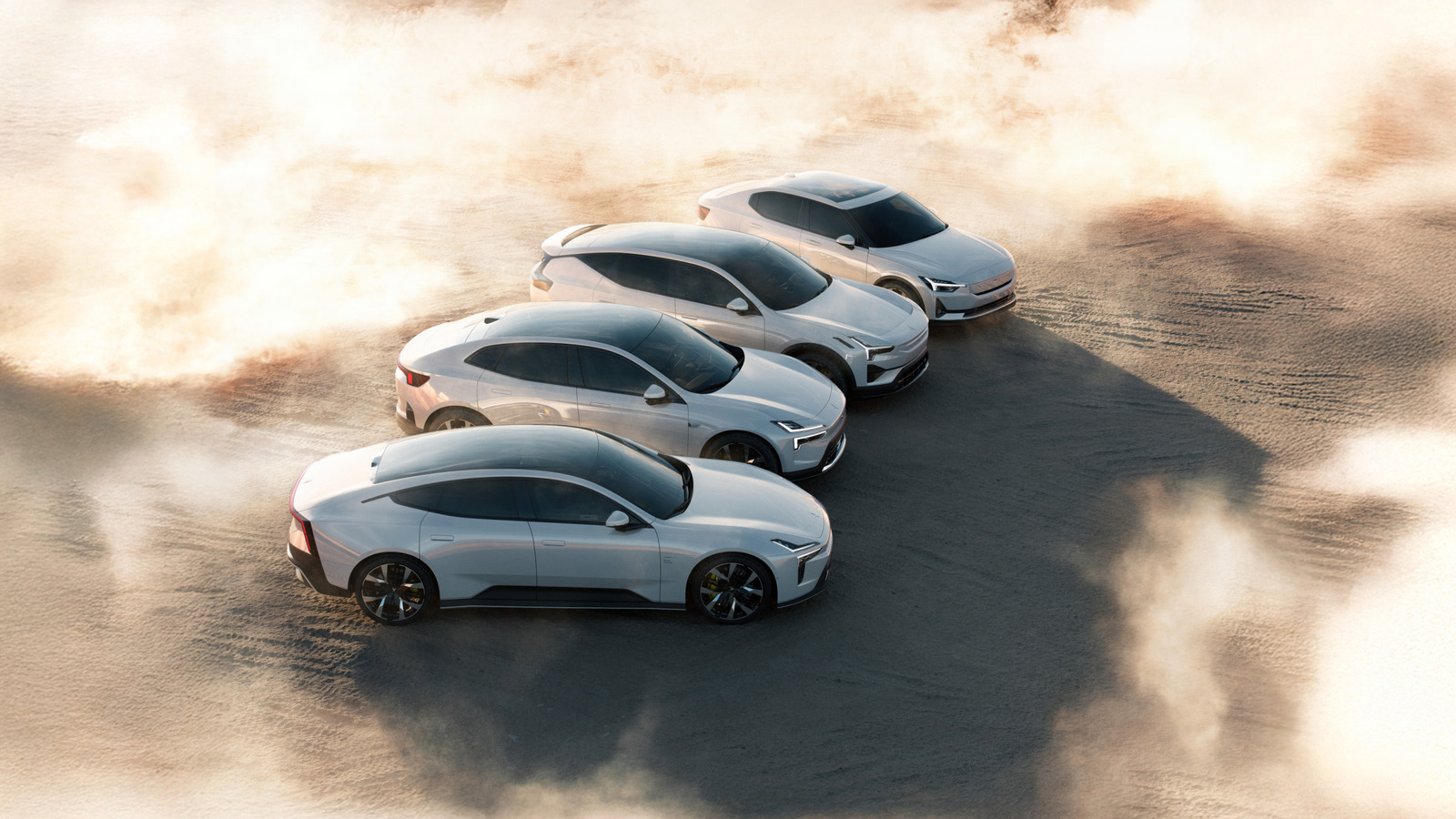
Polestar began as a performance division of Volvo before spinning off into its own standalone electric vehicle brand. Backed by Volvo's parent company Geely, the Chinese-Swedish automaker positioned itself as a sophisticated, design-forward alternative to Tesla, offering vehicles like the Polestar 2, Polestar 3, and Polestar 4 to style-conscious EV buyers. The brand found a meaningful foothold in the United States, appealing to drivers who wanted something premium, Scandinavian in character, and fully electric.
That foothold, however, has now crumbled — and the reasons behind it are deeply tied to the ongoing tension between the United States government and Chinese-linked automotive supply chains.
Why Polestar Can No Longer Sell EVs in the US
The core issue stems from U.S. trade policy and national security concerns surrounding Chinese-made components in electric vehicles. Despite Polestar's Scandinavian branding and Swedish design roots, the company's vehicles — particularly later models — rely heavily on manufacturing and components that trace back to China through its parent company Geely. This connection has made Polestar's vehicles increasingly difficult to import and sell in the United States as American regulators tighten restrictions on Chinese-linked automotive technology.
The Biden administration had already begun rolling out stricter rules regarding Chinese components in EVs, particularly those related to connected vehicle software and hardware. The Trump administration continued and expanded on this trajectory, implementing tariffs and import restrictions that effectively made it economically and legally unviable for Polestar to continue bringing new vehicles into the American market. With tariffs on Chinese-manufactured vehicles and components reaching punishing levels, Polestar found itself caught in a geopolitical crossfire it had no clean way to escape.
Unlike some competitors that have diversified their manufacturing to countries outside of China or built U.S.-based production facilities, Polestar does not currently have a domestic American manufacturing base capable of replacing its existing supply chain. That left the company with very few options when the regulatory and tariff environment shifted sharply against it.
What Polestar Has Said Publicly
Polestar has been relatively candid about the situation. Company leadership acknowledged that the current trade environment makes it impossible to profitably import and sell new vehicles in the United States at this time. The company has signaled that it remains committed to the U.S. market in principle and hopes that either trade conditions improve or that it can identify a viable path to compliant manufacturing that would allow it to return.
However, there has been no concrete timeline offered for a return, and industry analysts are skeptical that conditions will shift quickly enough to matter in the near term. For now, no new Polestar vehicles will be sold through its U.S. retail and online channels.
What This Means for Current Polestar Owners
If you already own a Polestar, the immediate news is not as dire as it might sound. Polestar has indicated that it will continue to honor warranties and provide service support for vehicles already on American roads. Parts availability and software updates are expected to continue, and the existing dealer and service network is not being dismantled overnight.
That said, there are legitimate long-term concerns for owners to keep in mind:
- Resale value may decline as the brand loses visibility and availability in the U.S. market, making it harder to find buyers familiar with or enthusiastic about Polestar vehicles.
- Parts and service support, while currently promised, could become harder to access over time if the company's U.S. infrastructure is gradually wound down.
- Software updates, which are critical for modern EVs, depend on the company maintaining an active presence and development pipeline for its American fleet.
Owners are advised to document their warranty coverage carefully, stay in contact with their local Polestar service centers, and monitor the company's official communications for any changes in support policy.
What This Means for Prospective Buyers
For consumers who were shopping for a Polestar, the path forward is straightforward but disappointing: new Polestar vehicles are simply no longer available through official U.S. channels. Buyers interested in the brand's design philosophy and performance credentials will need to look at alternatives such as Volvo's own EV lineup, Genesis electrified models, or premium offerings from BMW and Mercedes-Benz for comparable experiences.
The used and pre-owned market will still feature Polestar vehicles for the foreseeable future, and some buyers may find value in purchasing a used Polestar at a potentially reduced price — though they should weigh the long-term service and support concerns mentioned above before committing.
The Bigger Picture: What Polestar's Exit Signals for the EV Industry
Polestar's forced exit from the American market is not just a story about one automaker. It is a warning signal about the increasingly complex intersection of geopolitics, trade policy, and the electric vehicle industry. As the U.S. government continues to scrutinize Chinese influence across connected technology sectors, other EV brands with significant Chinese manufacturing ties — including some that are currently selling vehicles in America — may find themselves facing similar challenges.
The episode underscores the growing importance for EV brands targeting the American market to establish clear, verifiable, non-Chinese supply chains or domestic manufacturing facilities. Companies that fail to do so risk finding themselves in the same position as Polestar: locked out of one of the world's most important automotive markets at a critical moment in the EV transition.
For American EV consumers, Polestar's departure narrows an already competitive marketplace and serves as a reminder of how vulnerable global automotive supply chains remain to political and regulatory headwinds. The situation will be worth watching closely — both for what it means for Polestar's future and for what it reveals about the road ahead for electric vehicles in America.