
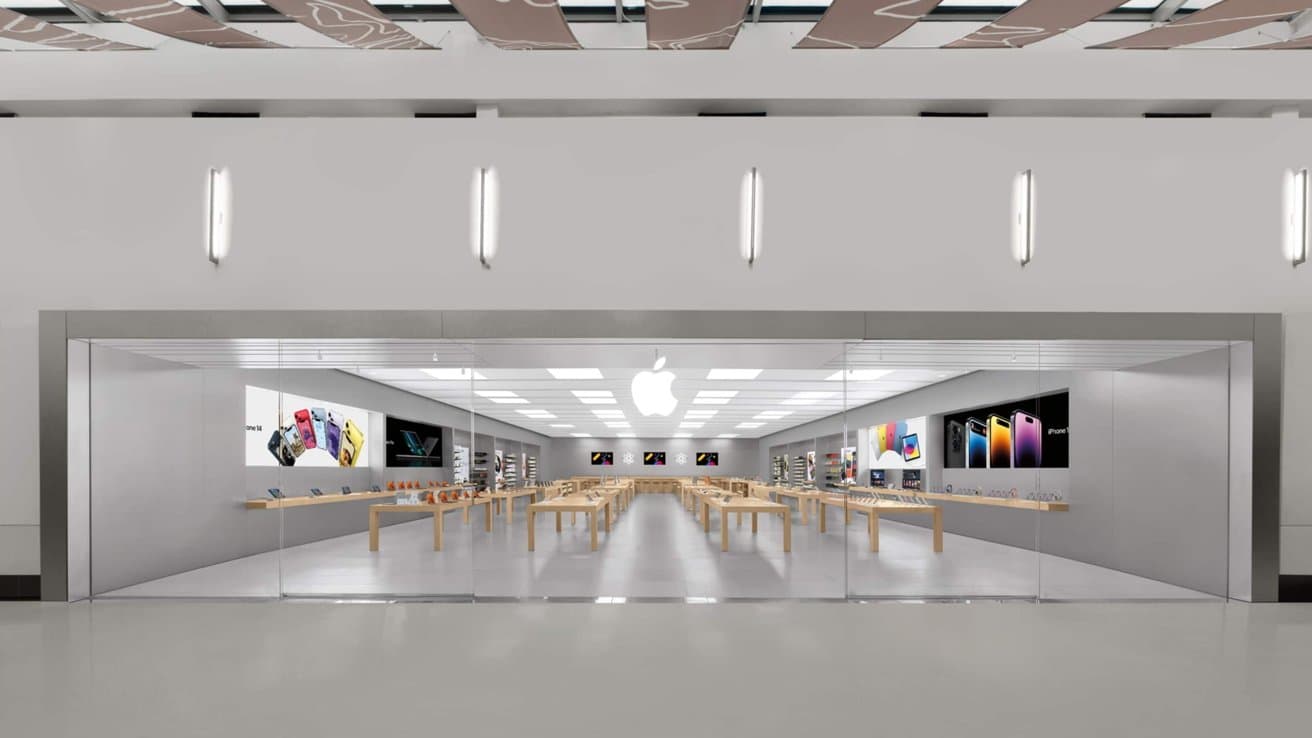
Apple Faces Growing Pressure Over Towson Store Closure and Unionized Employees
As the June 20, 2026 closure date for the Apple Store in Towson, Maryland approaches, pressure on the tech giant to better support its employees continues to intensify. The Mayor of Baltimore has now added his voice to a growing chorus of officials — including dozens of members of Congress — demanding that Apple either reconsider the closure or, at minimum, provide meaningfully better options for the workers who will be left without jobs. What makes this situation especially charged is the store's historic status: Apple Towson was the first Apple Store in the United States to successfully vote in favor of employee unionization.
Why the Towson Store Closure Is Different From the Others
Apple is closing three stores in June 2026, and all three are located in struggling malls. On the surface, this might appear to be a straightforward business decision — retail locations in underperforming commercial real estate are regularly shuttered by major companies. However, the Towson closure stands apart from the other two for one critical reason: the employees there are unionized, and they are not being given adequate relocation or transition opportunities compared to what workers at other Apple locations might receive.
The other two stores being closed are in different regions of the country where employees may have more access to nearby Apple retail locations to transfer to. In Towson's case, the geographic limitations of the Baltimore area mean that workers have fewer viable options to continue their careers within Apple without facing significant disruption to their lives, commutes, and financial situations. This asymmetry has fueled allegations that Apple is not treating its unionized workforce equitably.
Baltimore's Mayor Speaks Out
Baltimore Mayor Brandon M. Scott shared an official statement on social media calling on Apple to do better by the Towson store's employees. The statement was first reported by 9to5Mac and quickly circulated across technology and labor-focused news outlets. Mayor Scott's intervention represents a significant escalation in political pressure, bringing local government squarely into a dispute that had previously been centered on labor organizers, the union itself, and federal legislators.
The mayor's statement echoes the three specific approaches that advocates have consistently demanded Apple take. Those demands are centered on the company either reversing the closure decision entirely, finding suitable regional positions for affected employees, or providing meaningful compensation and support packages that reflect the disruption these workers face. The message from Baltimore's city government is clear: Apple's current approach falls short of what its employees — and the community — deserve.
Congress Weighs In: 40 Members Sign Letter to Apple's CEO
Mayor Scott's statement comes on the heels of a letter signed by 40 members of Congress addressed directly to Apple's CEO. That letter took the union's side in the dispute, urging Apple leadership to reconsider how it is handling the transition for Towson workers. Congressional involvement at this scale is unusual for a retail store closure, and it underscores just how symbolically significant the Towson location has become in the broader conversation about labor rights and corporate accountability in the technology sector.
The fact that so many elected officials at the federal level are willing to put their names on a letter about a single Apple Store speaks volumes about the political climate around union organizing. The labor movement has been gaining momentum in several major industries, and the Towson Apple Store was one of the early, high-profile milestones of that shift within Big Tech retail.
Unfair Labor Practice Charges Add Legal Weight to the Dispute
Beyond political statements, the union at Apple Towson has filed an Unfair Labor Practice charge following the closure announcement. The charge alleges that employees have been subjected to unfair treatment in the wake of the closure decision, raising the stakes from a public relations battle to a potential legal one. Unfair Labor Practice charges are reviewed by the National Labor Relations Board and can result in formal findings against an employer if substantiated.
This legal dimension adds yet another layer of complexity to Apple's situation. Even if the company proceeds with the June 20 closure as planned, it may face ongoing regulatory and legal scrutiny over how it handled the process, particularly given the unionized status of the workforce involved.
The Bigger Picture: Apple, Labor, and the Future of Retail Unions
The Towson situation is not happening in a vacuum. Apple has faced increasing labor organizing activity across its retail footprint, and how it manages this closure will set a precedent — either encouraging or discouraging further organizing efforts at other locations. Labor advocates argue that if Apple is seen to be punishing or inadequately supporting its first unionized store during a closure, it sends a chilling message to workers at other stores who might be considering organizing.
On the other hand, Apple has maintained that store closures are driven by business performance and real estate considerations, not labor status. The company has not publicly responded to the mayor's statement or the most recent wave of criticism in detail.
What Happens Next
With June 20 rapidly approaching, the window for Apple to meaningfully change course is narrowing. Employees, union representatives, local officials, and federal lawmakers are all watching closely. Whether Apple chooses to announce improved transition support, regional job placements, or enhanced severance for the Towson workers before the closure date remains to be seen.
What is already clear is that the closure of Apple Towson has become a landmark moment in the story of labor organizing in American tech retail — one that will likely be referenced for years in discussions about how major corporations treat their unionized employees when difficult business decisions arise.
- Apple Towson was the first unionized Apple Store in the United States.
- The store is scheduled to close on June 20, 2026, alongside two other Apple locations.
- Baltimore's mayor has publicly called on Apple to provide better options for affected workers.
- 40 members of Congress signed a letter to Apple's CEO supporting the Towson union's position.
- An Unfair Labor Practice charge has been filed by the union, adding legal pressure to the situation.
- Critics argue the lack of viable relocation options in the region makes this closure particularly harmful to employees.