
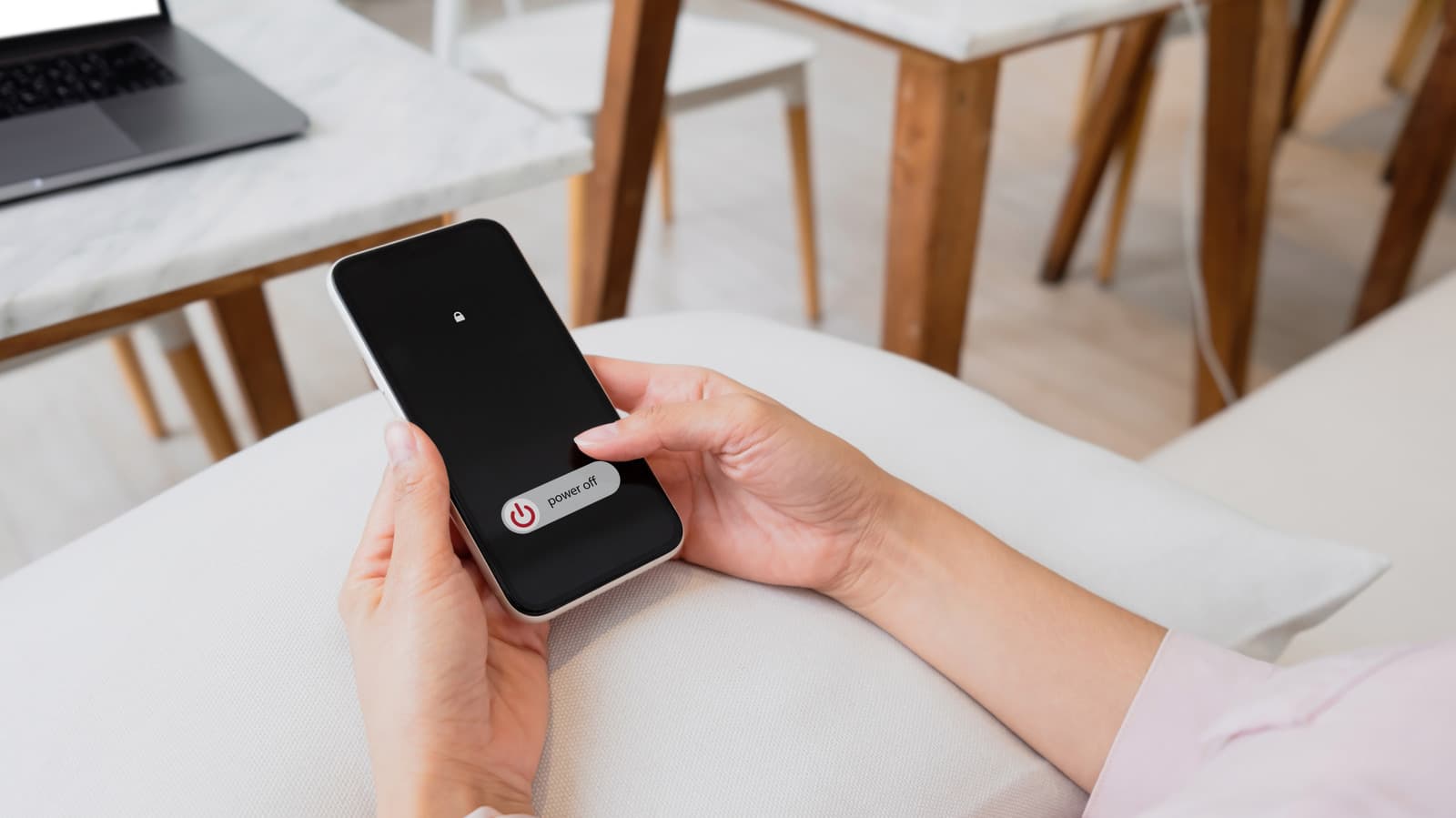
Should You Really Power Off Your Phone Before Bed? Here's the Truth
We've all heard the advice: put down your phone before bed, and if you really want a good night's sleep, power it off completely. Sleep coaches, wellness blogs, and well-meaning family members have been pushing this idea for years. But is turning your phone off at night actually helping you — or could it be quietly working against you? As it turns out, powering off your phone before bed is likely to do more harm than good. Here are three compelling reasons why you should think twice before hitting that power button tonight.
Why Your Phone Gets the Blame for Bad Sleep (And Why It's Complicated)
First, let's acknowledge what's true: your smartphone can absolutely interfere with your sleep. The blue light emitted by phone screens suppresses melatonin production, the hormone your body relies on to signal that it's time to rest. Scrolling through social media, reading stressful news, or responding to late-night emails can also keep your brain in an alert, stimulated state long after you've set the phone down.
So yes, your phone is a contributing factor to poor sleep quality for millions of people. But the solution isn't as black and white as simply switching the device off. The problem isn't really the phone itself — it's how you use it in the hours before bed. And once you understand that distinction, the case for powering off completely starts to fall apart.
Reason 1: Do Not Disturb Mode Does the Job Better
One of the main arguments for powering off your phone at night is to avoid interruptions — notifications, calls, and buzzing alerts that can jolt you awake in the middle of the night. That's a legitimate concern. But here's the thing: you don't need to power down your device to solve this problem. Your phone already has a built-in solution that works better.
Do Not Disturb mode, available on both iOS and Android devices, silences calls, notifications, and alerts on a schedule you define. You can set it to activate automatically every night at a time that works for you, and deactivate in the morning without you having to lift a finger. Many phones also allow you to create exceptions — for example, allowing calls from specific contacts like a spouse, child, or emergency contact to break through the silence.
This means you get all the quiet of a powered-off phone without losing the functionality you might actually need overnight. Powering off your phone to avoid notifications is essentially using a sledgehammer where a scalpel would do the job far more precisely.
Reason 2: You Lose Access to Critical Features You May Need
Your smartphone isn't just a distraction machine — it's also an alarm clock, an emergency communication device, and in many cases, a medical monitoring tool. When you power it off completely, you lose access to all of these features until you boot it back up again, which can take a minute or more in an emergency.
Consider the alarm clock issue alone. Most people use their phone as their primary morning alarm. If you power your phone off at night, you either have to remember to turn it back on and reset the alarm — which defeats the purpose of the bedtime routine — or invest in a separate alarm clock. Neither is ideal.
More importantly, emergencies don't follow a schedule. A family member could need to reach you urgently. A weather alert or local emergency notification could be critical to your safety. Smart health apps and wearable integrations may be tracking your sleep data or monitoring health metrics that require the phone to remain active. Powering off your phone cuts you off from all of this, and for no meaningful benefit that a simple Do Not Disturb setting couldn't already provide.
Reason 3: Restarting Your Phone Every Day Creates Unnecessary Wear Patterns
Modern smartphones are designed to run continuously for extended periods. In fact, most manufacturers recommend a periodic restart — perhaps once a week — to clear memory caches and allow updates to install properly. Daily power cycling, however, is not something phones are optimized for in terms of long-term usage habits.
Repeatedly powering your phone on and off every single day puts unnecessary stress on the device's boot process and can, over time, contribute to slower performance if the device isn't given time to complete background processes properly. Phones that are left on are also better positioned to install overnight software updates, run scheduled backups, and sync data — all processes that typically happen when the device is idle but powered on and connected to Wi-Fi.
By powering off nightly, you're potentially interrupting these background maintenance tasks, which means your phone may be less optimized and up-to-date than it would be otherwise.
What You Should Do Instead
Rather than powering off your phone each night, consider building smarter habits around its use. These practical alternatives address the real reasons phones disrupt sleep without sacrificing functionality:
- Enable Do Not Disturb or Sleep Mode on a nightly schedule with exceptions for important contacts.
- Stop using your phone at least 30 to 60 minutes before bed to reduce blue light exposure and mental stimulation.
- Use Night Shift or a blue light filter in the evening to reduce the impact on melatonin production.
- Charge your phone across the room rather than on your nightstand to resist the temptation to check it.
- Disable push notifications for non-essential apps so your screen stays quiet without a full shutdown.
The Bottom Line
Your phone's impact on your sleep is real, but powering it off completely each night is an overcorrection that creates new inconveniences without solving the core problem. With the right settings and habits in place, you can enjoy restful, uninterrupted sleep while keeping your device available for the features that genuinely matter — emergencies, alarms, health monitoring, and overnight maintenance. Work smarter with your smartphone, not harder against it.