
Folding iPhone Preview Hidden in Plain Sight Inside iOS 27
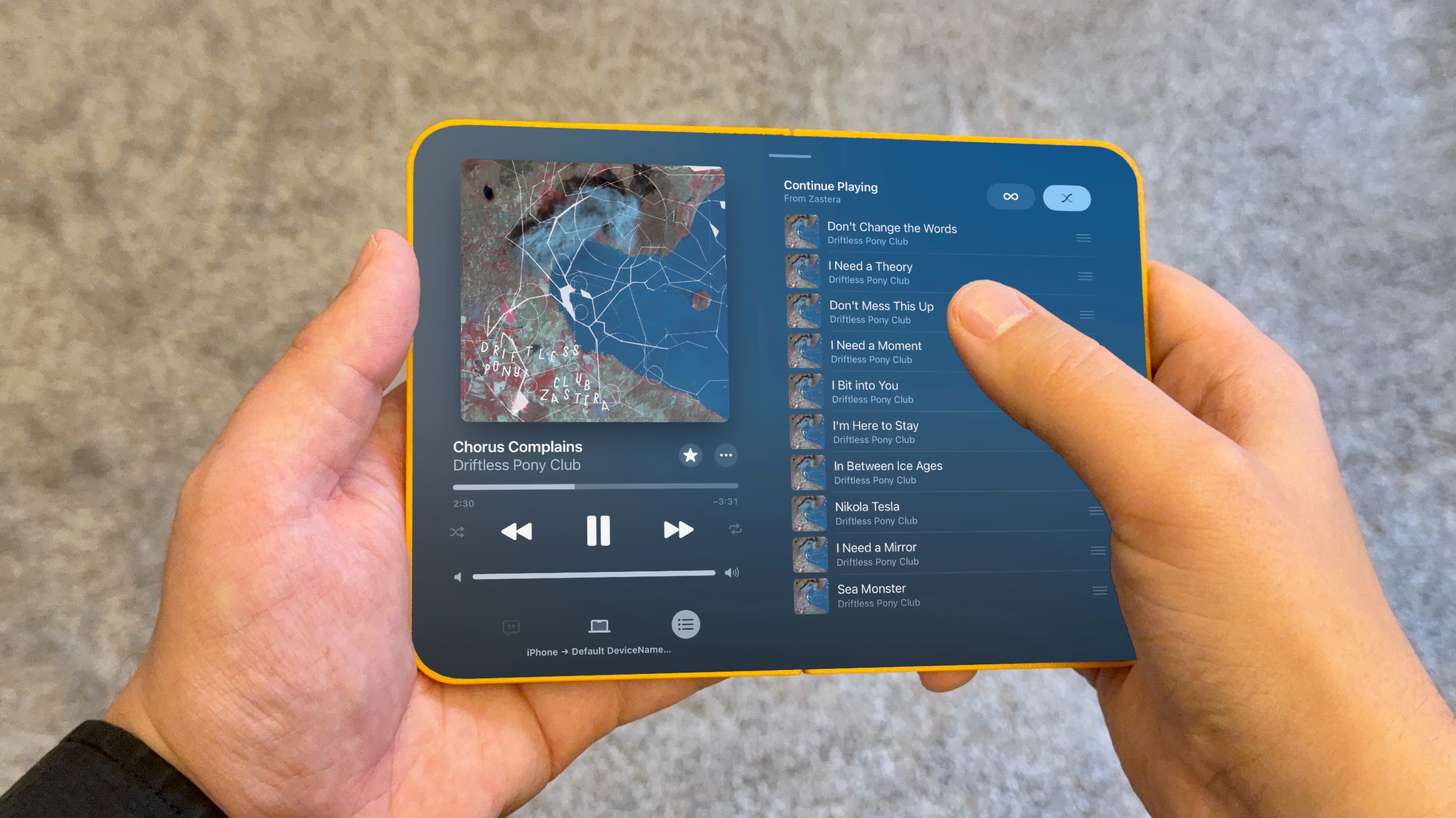
Apple has been notoriously tight-lipped about its long-rumored folding iPhone, but a surprisingly revealing preview of what that device will actually feel like to use has emerged from an unexpected source: iOS 27's newly resizable iPhone Mirroring feature. By stretching the iPhone Mirroring window to match the expected dimensions of Apple's foldable handset, curious users and tech enthusiasts are getting a remarkably accurate glimpse into the future of iPhone design — no prototype required.
This clever workaround has quickly gained traction online, with screenshots and mockups circulating that show everyday iPhone apps displayed at the aspect ratio and screen dimensions anticipated for the folding iPhone. The result is one of the most grounded, real-world previews of Apple's most anticipated device in years, and it raises fascinating questions about how iOS will adapt to a fundamentally different form factor.
What Is iPhone Mirroring and Why Does Resizing Matter?
iPhone Mirroring, introduced as part of Apple's Continuity ecosystem, allows users to view and interact with their iPhone's screen directly on their Mac. With the updates rolled into iOS 27, Apple extended this functionality to allow the Mirroring window to be resized freely to any arbitrary dimensions — not just fixed presets. That may sound like a minor quality-of-life improvement, but the implications are much bigger than they first appear.
Because the mirrored display is simply a scaled, live representation of the iPhone's screen, resizing the window to the expected proportions of a folding iPhone effectively simulates what that device's unfolded display would look like running today's apps. Users can observe how interface elements reflow, how text and images scale, and how comfortable the overall layout feels at a wider, more tablet-like aspect ratio — all without owning a single piece of folding hardware.
What the Folding iPhone Is Expected to Look Like
Based on a consistent stream of leaks, supply chain reports, and analyst predictions, Apple's folding iPhone is widely expected to feature a clamshell or book-style fold. The inner display, when fully unfolded, is anticipated to offer a screen size in the range of 7.8 to 8 inches diagonally, bringing it close to iPad mini territory while still fitting in a pocket when closed.
The device is expected to run a version of iOS 27 specifically adapted to take advantage of the larger canvas when open and revert to a more traditional iPhone layout when folded. This dual-state behavior is something Apple has clearly been preparing iOS to handle, and the resizable Mirroring experiment suggests that many existing apps already adapt quite gracefully to that expanded real estate.
How Apps Look and Behave at Folding iPhone Dimensions
Stretching the iPhone Mirroring window to folding iPhone proportions reveals several interesting behaviors across Apple's own apps and popular third-party titles. Here is what early testers and observers have noted:
- Safari and web browsing benefit significantly from the extra width, presenting more content per page and reducing the need for scrolling. Layouts designed for desktop web browsing become far more accessible at this scale.
- Messages and Mail shift toward a split-view-style presentation similar to what iPad users already experience, with conversation lists and message threads displayed side by side rather than requiring navigation between two separate screens.
- Photos and media apps display noticeably larger previews in grid views, and video playback fills the screen more naturally without awkward letterboxing or pillarboxing.
- Productivity apps like Notes and Calendar gain real estate that makes them feel substantially more capable, with more content visible at once and less reliance on scrolling or nested menus.
Not every app handles the transition perfectly. Some third-party applications that have not been optimized for flexible layouts show stretched interfaces or misaligned elements at unusual aspect ratios, which underscores the work developers will need to do before the folding iPhone ships.
What This Tells Us About Apple's Software Strategy
The fact that iOS 27 introduced arbitrary resizing for iPhone Mirroring at this particular moment is almost certainly not a coincidence. Apple has a long history of laying groundwork in software well ahead of major hardware launches, quietly preparing the ecosystem so that developers and users are ready when new devices arrive.
This approach mirrors what Apple did before the original iPad launch, when changes to iPhone OS created the foundation that iPadOS would eventually stand on. By letting developers — and enthusiastic users — experiment with flexible iPhone layouts through Mirroring, Apple is effectively stress-testing the ecosystem and giving app makers an accessible way to optimize for dimensions they have not yet seen on a shipping iPhone.
It also signals that Apple intends the folding iPhone to run a version of iOS rather than a hybrid iPadOS experience, keeping it firmly in the iPhone product family while expanding what that family can do.
When Will the Folding iPhone Actually Arrive?
Rumors continue to point toward a launch window in 2026, with some supply chain sources suggesting a limited initial release followed by broader availability. Apple has not officially confirmed the device's existence, but the combination of iOS 27's folding-ready features, the resizable Mirroring capability, and a steady drumbeat of hardware leaks makes it increasingly difficult to imagine the folding iPhone is anything other than imminent.
For now, stretching that Mirroring window on your Mac is the closest most people will get to holding one. And based on what that experiment reveals, the experience looks genuinely promising — a natural evolution of the iPhone rather than a gimmick chasing rivals in the foldable space.
The Bottom Line
Apple's resizable iPhone Mirroring feature in iOS 27 has inadvertently become the most accessible and realistic preview of the folding iPhone experience available today. By matching the window to the expected dimensions of Apple's foldable device, users can see firsthand how apps scale, how interfaces adapt, and where the opportunities and rough edges currently lie. It is a smart, practical way to explore the future — and a strong indication that Apple has been quietly building toward this moment for longer than most people realized.
Whether you are a developer looking to get ahead of the curve or simply an Apple fan eager to see what is coming next, spending a few minutes with a resized Mirroring window is well worth your time. The folding iPhone era is closer than it looks.