
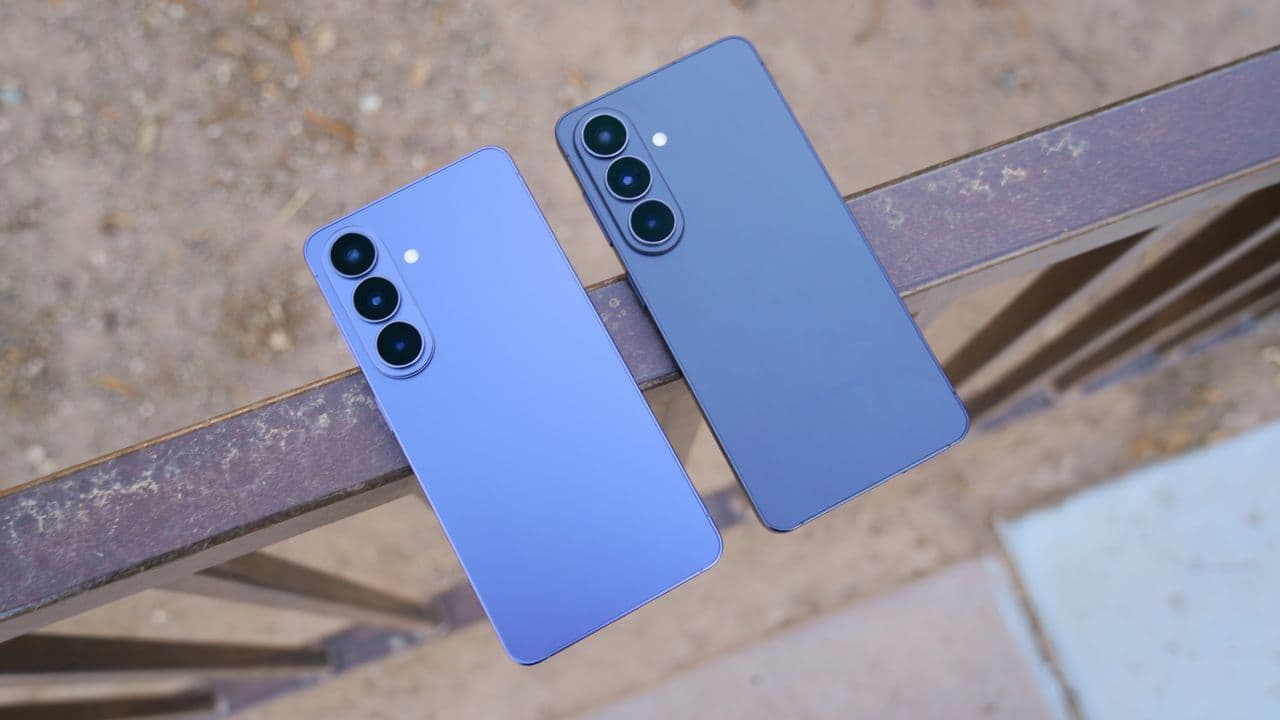
Samsung Galaxy S27: Why Rising Costs Could Mean a More Conservative Flagship in 2026
Samsung has long been one of the most dominant forces in the global smartphone market, consistently pushing the boundaries of hardware innovation with each new Galaxy S release. However, the road to the Galaxy S27 may look quite different from what enthusiasts have come to expect. According to emerging reports and industry analysis, rising component and manufacturing costs could compel Samsung to adopt a more measured, conservative approach for its 2026 flagship lineup. For consumers hoping for a dramatic leap forward, this news warrants a closer look at what's really driving the pressure behind the scenes.
The Financial Pressure Samsung Is Facing Heading Into 2026
The global semiconductor and consumer electronics industry has been navigating a challenging financial landscape for several years. Supply chain disruptions, elevated raw material prices, and intensifying competition from Chinese rivals like Xiaomi, OPPO, and Huawei have all compounded the pressures on major OEMs. Samsung, despite its vertically integrated business model, is not immune to these forces.
One of the central concerns revolves around the cost of next-generation components. Cutting-edge display panels, advanced camera sensors, and especially the latest mobile chipsets have all seen significant price increases. If Samsung wants to maintain competitive retail pricing for the Galaxy S27 — a critical factor in a market where consumers are increasingly price-sensitive — it may need to make targeted compromises on the hardware side rather than passing the full cost burden onto buyers.
Additionally, Samsung's own semiconductor division has faced ongoing margin pressures, particularly in memory chips. While this division is separate from its mobile business, the broader corporate financial climate tends to influence decision-making across all product lines, including flagship smartphones.
What "Keeping Things Mild" Could Actually Mean for the Galaxy S27
When industry insiders and analysts suggest that Samsung might "keep things mild," they're not necessarily predicting a bad phone. Rather, the implication is that the Galaxy S27 may represent an incremental update rather than a generational leap. Here's what that could look like in practice:
- Chip strategy under scrutiny: Samsung may face a difficult decision regarding its Exynos versus Snapdragon chipset allocation. Developing and deploying the latest Exynos chip globally is expensive, and in recent years, Samsung has leaned more heavily on Qualcomm's Snapdragon processors in key markets after criticism of Exynos performance. The cost dynamics heading into 2026 could further complicate this balancing act.
- Camera system refinements rather than overhauls: Rather than introducing an entirely new camera architecture, Samsung might refine the existing sensor and lens setup on the S26 series. Incremental software and AI-driven improvements could take center stage instead of costly new hardware.
- Display upgrades may be modest: Samsung's Dynamic AMOLED displays are already class-leading. A cost-conscious cycle might mean the S27 keeps a similar panel specification to its predecessor, perhaps with minor brightness or efficiency improvements rather than a complete redesign.
- Battery and charging parity: Fast charging speeds and battery capacity have become fierce battlegrounds, especially as Chinese competitors push increasingly aggressive numbers. Samsung may hold steady with current specs rather than invest in the R&D required to significantly push these figures forward.
How This Fits Into Samsung's Broader Strategy
It's worth noting that a conservative hardware update doesn't automatically translate to a poorly received product. Apple has demonstrated repeatedly with its iPhone lineup that incremental hardware updates paired with strong software experiences and ecosystem integration can still drive enormous commercial success. Samsung will likely lean into Galaxy AI features, refined One UI software, and its growing ecosystem of connected devices to provide value beyond raw specifications.
Samsung has also been investing heavily in artificial intelligence capabilities across its mobile range. The Galaxy S25 series introduced deeper AI integration, and the S27 is expected to continue that trajectory regardless of hardware constraints. AI-powered photography, real-time translation, productivity tools, and on-device processing improvements are areas where Samsung can differentiate without necessarily requiring the most expensive new components.
The Competitive Landscape Makes This a Risky Bet
While a measured approach has worked for Apple, Samsung operates in a different competitive environment. Android users have far more alternatives, and premium Chinese brands are increasingly encroaching on Samsung's territory in Asia, Europe, and beyond. Brands like Xiaomi and OPPO consistently deliver headline-grabbing specs at lower price points, making it difficult for Samsung to justify premium pricing on a phone that doesn't clearly outshine the competition on paper.
This creates a genuine strategic dilemma. If Samsung prices the Galaxy S27 aggressively to compete, it absorbs higher costs and risks margin compression. If it prices it at a premium without delivering standout specs, it risks losing market share to hungrier competitors who are willing to play the specification game at lower margins.
What Consumers Should Watch for in the Coming Months
As the Galaxy S27 launch edges closer — likely landing in early 2026 following Samsung's typical January or February announcement window — consumers and tech enthusiasts should watch closely for supply chain leaks, component sourcing reports, and any official teasers from Samsung. Early rumors around chipset selection, display specifications, and camera hardware will offer the clearest early signal of just how conservative or ambitious Samsung's approach truly is.
Ultimately, rising costs are an industry-wide reality, and Samsung is navigating the same headwinds as every major hardware manufacturer. Whether the Galaxy S27 delivers a satisfying upgrade or a cautious holding pattern will depend on how skillfully Samsung balances financial discipline with the innovation its loyal user base expects. One thing is certain: the decisions made in the months ahead will shape Samsung's flagship narrative for years to come.