
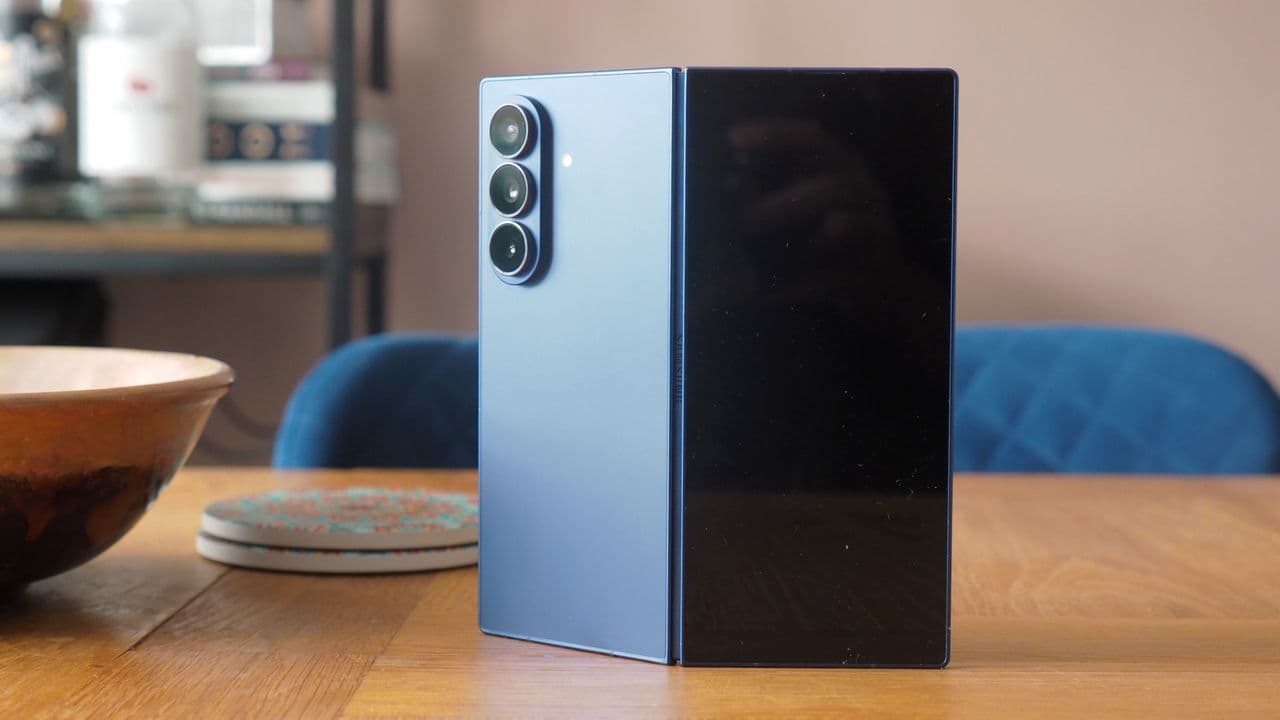
Samsung's Next Foldables: Higher Prices, Bigger Incentives
Samsung has long been the dominant force in the foldable smartphone market, and with each passing year, its Galaxy Z Fold and Galaxy Z Flip lineups push the boundaries of what a modern smartphone can be. But according to the latest reports and industry leaks, Samsung's next generation of foldable devices could arrive with the heftiest price tags the company has ever attached to its bendable flagships. While that news might give budget-conscious consumers a moment of pause, Samsung appears well aware of how sticker shock works — and it's reportedly planning to sweeten the deal with a more generous package of free perks and bonuses for early adopters.
Why Samsung Foldables Are Getting More Expensive
The anticipated price increases aren't arbitrary. Several converging factors are driving up the cost of producing next-generation foldable devices, and Samsung's pricing strategy tends to closely reflect those upstream pressures.
Advanced Display Technology
Each new iteration of Samsung's foldable lineup brings meaningful improvements to the flexible OLED display panels at the heart of these devices. Thinner hinge mechanisms, improved crease reduction, higher peak brightness, and better durability all require costly research, development, and precision manufacturing. As Samsung pushes toward an even more refined foldable experience — one that feels closer to a traditional smartphone than ever before — the component costs inevitably climb.
Premium Hardware Across the Board
Beyond the display, Samsung's next foldables are expected to arrive with top-of-the-line internal specifications. From the latest Snapdragon or Exynos chipsets to enhanced camera systems rivaling the Galaxy S flagship series, the hardware ambition is clear. Packing pro-grade cameras, expanded RAM, and increased storage options into a foldable form factor is a manufacturing feat that commands a premium.
Global Supply Chain and Component Costs
The broader consumer electronics industry continues to navigate elevated component costs, logistics challenges, and currency fluctuations that affect final retail pricing worldwide. Samsung, like all major manufacturers, must account for these variables when setting price points for its most sophisticated products.
What Free Perks Could Samsung Offer?
Samsung has a well-established tradition of rewarding early buyers of its premium devices with complimentary accessories, service credits, and storage upgrades. For the next foldable generation, reports suggest the company is considering expanding these offerings significantly — a smart move designed to maintain buyer enthusiasm even as MSRPs creep upward.
Free Galaxy AI Subscriptions or Credits
As artificial intelligence becomes a central pillar of Samsung's software strategy, it would make sense for the company to bundle Galaxy AI-related perks — whether that means extended subscriptions, premium feature unlocks, or cloud service credits — with the purchase of a new foldable. This kind of value-add costs Samsung relatively little to provide but resonates strongly with consumers who see ongoing software value as part of their investment.
Complimentary Accessories
Samsung has previously bundled accessories like Galaxy Buds or smartwatch discounts with flagship purchases. For the next foldable launch, there's reason to expect this practice to continue or even expand. Free S Pen cases, protective covers, wireless chargers, or discounted Galaxy Watch bundles would all represent tangible value that helps offset the higher upfront cost.
Enhanced Trade-In Offers
One of the most effective ways Samsung can soften the blow of a price increase is through aggressive trade-in valuations. By offering above-market trade-in credits for older Galaxy devices — foldable or otherwise — Samsung can make the effective cost of upgrading feel substantially lower than the listed retail price. This strategy also keeps customers within the Samsung ecosystem, which is a win for the company's long-term retention goals.
Storage Upgrades at No Extra Cost
Another potential sweetener is bumping base storage tiers without increasing the entry-level price accordingly. Offering a higher storage configuration at the standard price point is a subtle but highly appreciated move that makes consumers feel they're getting more for their money even before any accessories or service credits are factored in.
How This Compares to Samsung's Past Foldable Launches
Samsung's history with foldable pricing shows a brand that has gradually refined its approach. The original Galaxy Z Fold launched at a breathtaking premium that put it firmly in luxury device territory. Over subsequent generations, Samsung managed to bring costs down incrementally while improving quality dramatically. The Galaxy Z Flip series, meanwhile, introduced a more accessible price point that opened foldables to a much wider audience.
If the next devices do indeed reverse that downward price trend, Samsung will be betting that the improvements — both hardware and software — are compelling enough to justify the step up. Early indications suggest the company is confident in what it's building.
Should You Wait for Samsung's Next Foldables?
If you're currently using an older Galaxy Z Fold or Z Flip and have been considering an upgrade, the upcoming generation presents a compelling but nuanced case. Here are a few things worth keeping in mind:
Pre-order bonuses and launch-day perks from Samsung have historically offered the best overall value, so timing your purchase around the official announcement window can pay off.
Trade-in values typically peak around new product launches, meaning your current device may fetch its highest resale or trade-in value right as the new foldables arrive.
If the price increase is significant, waiting a few months post-launch often results in promotional discounts through Samsung's own channels or third-party retailers.
The free perk packages tend to be most generous during the initial launch window, so early adoption does carry its own financial advantages.
The Bigger Picture: Foldables Are Maturing
What Samsung's rumored pricing strategy ultimately signals is that foldable smartphones are no longer an experimental curiosity — they are maturing, premium products with a dedicated and growing audience. Raising prices while simultaneously investing in richer launch incentives suggests Samsung views its foldable buyers as loyal, discerning customers who respond to value rather than just raw cost.
The foldable market is also becoming more competitive, with brands like Google, OnePlus, and various Chinese manufacturers all fielding credible alternatives. Samsung's answer to that competition isn't to race to the bottom on price — it's to double down on the overall ownership experience, from unboxing through years of software support.
Final Thoughts
Samsung's next foldables arriving with higher price tags is a headline that will naturally draw skepticism, but the full picture is more nuanced. If the company follows through on expanded free perks, stronger trade-in programs, and compelling hardware upgrades, the real-world cost of ownership may feel quite reasonable — especially for buyers who take full advantage of every incentive on offer. Keep an eye on Samsung's official announcements and pre-order windows to make sure you don't miss out on the best possible deal when these devices finally land.