
FDA Clears a Second Fly Species for Maggot Wound Therapy — What It Means for Modern Medicine
In a development that might sound unusual but carries significant medical weight, the U.S. Food and Drug Administration (FDA) has cleared a second fly species for use in maggot wound therapy. Singapore-based Cuprina Holdings announced the clearance of Lucilia cuprina, commonly known as the Australian sheep blowfly, for therapeutic use in wound care. The company has branded its new product as MediFly Maggots, and the clearance positions Cuprina as the only company in the world with FDA authorization to market two species of fly larvae for medical use.
While the idea of using maggots in medicine may raise eyebrows, this ancient practice — now validated by modern science and regulated by federal agencies — is increasingly recognized as a powerful, cost-effective, and sometimes irreplaceable tool in wound management.
What Is Maggot Wound Therapy?
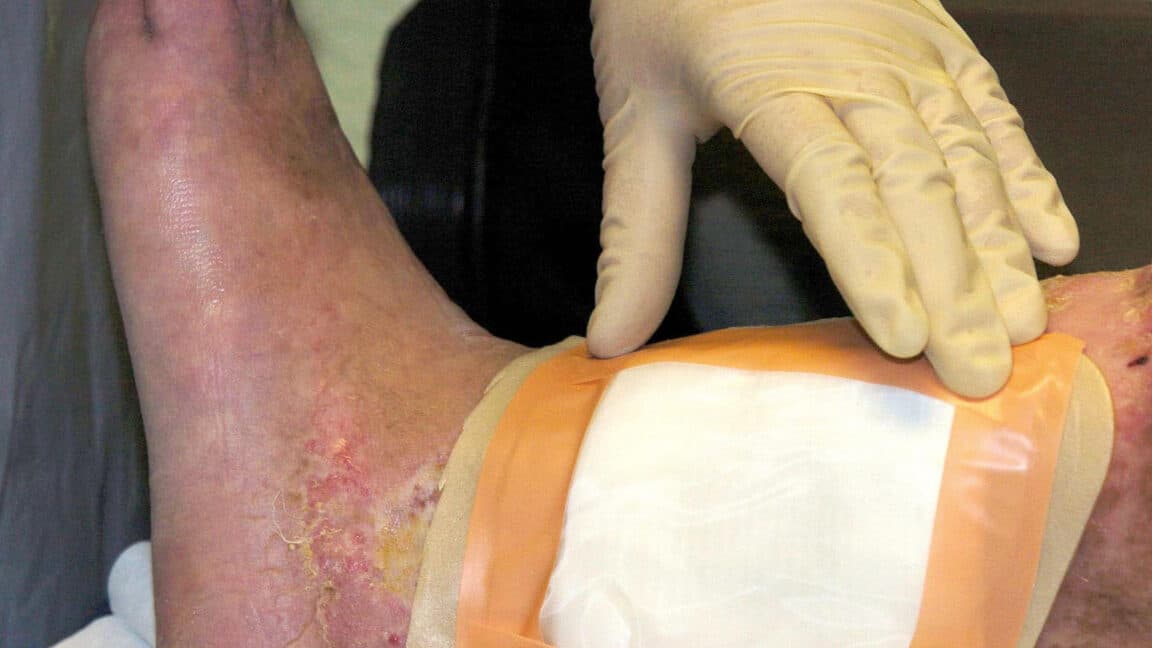
Maggot wound therapy, also known as maggot debridement therapy (MDT) or biosurgery, involves the controlled application of sterile fly larvae to a chronic or infected wound. The maggots selectively consume dead and infected tissue while leaving healthy tissue untouched, a process called debridement. They also secrete substances that disinfect the wound and stimulate healing.
MDT has been used for centuries — field surgeons during the Napoleonic Wars and World War I noted that soldiers whose wounds were colonized by maggots tended to heal better than those whose wounds were not. The practice fell out of favor with the introduction of antibiotics in the mid-20th century, but rising rates of antibiotic-resistant infections have sparked a major revival of interest.
Today, MDT is used primarily for chronic wounds such as diabetic foot ulcers, pressure sores, venous leg ulcers, and non-healing surgical wounds. It is particularly valuable when conventional treatments have failed or when patients cannot undergo surgery.
The Two FDA-Cleared Fly Species
Until now, only one fly species had received FDA clearance for use in maggot wound therapy: Lucilia sericata, commonly known as the common green bottle fly. That clearance was first granted in 2004 to Ronald Sherman, a pioneering researcher in the field who now serves as Cuprina's Medical and Scientific Director. L. sericata has since become the gold standard in biosurgery and is used by wound care specialists around the world.
The newly cleared species, Lucilia cuprina, is a close relative of L. sericata. The Australian sheep blowfly is well known in veterinary medicine — it is a major pest responsible for blowfly strike in sheep — but its larvae share many of the same wound-healing properties that have made L. sericata so valuable in human medicine. With this new FDA clearance, Cuprina Holdings now holds regulatory approval for both species, giving the company a unique position in an emerging global market.
Who Is Cuprina Holdings?
Cuprina Holdings is a Singapore-based biotechnology company focused on the development and commercialization of maggot-based wound care products. The company's name itself is a nod to Lucilia cuprina, the fly species at the center of its newest FDA clearance. With Ronald Sherman — widely regarded as the father of modern maggot therapy — serving as its Medical and Scientific Director, the company combines deep scientific expertise with commercial ambition.
The dual FDA clearance puts Cuprina in a strong competitive position. The company has described itself as being "abuzz" with the potential to dominate the global maggot market, a phrase that reflects both its confidence and the very real commercial opportunity that lies ahead as demand for effective wound care solutions continues to grow worldwide.
Why Does Having Two Cleared Species Matter?
Having FDA clearance for two species of fly larvae is more than a regulatory milestone — it has meaningful clinical and commercial implications.
- Supply chain resilience: Relying on a single species creates vulnerability. A second cleared species gives manufacturers and healthcare providers an alternative source of therapeutic larvae, reducing the risk of shortages.
- Potential clinical differentiation: While L. cuprina and L. sericata are closely related, subtle biological differences between the two species may translate into distinct therapeutic profiles. Some wound types or patient populations could respond differently to one species over the other, opening the door for more personalized wound care strategies.
- Expanded production capacity: Two approved species means the ability to scale production more effectively to meet increasing demand, particularly as MDT gains traction in markets across Asia, Europe, and North America.
- Competitive market advantage: No other company currently holds FDA clearance for two fly species, giving Cuprina a meaningful head start in both the U.S. market and in international markets that look to FDA clearance as a benchmark for safety and efficacy.
The Growing Case for Maggot Debridement Therapy
The renewed interest in MDT is not merely anecdotal. A growing body of clinical evidence supports its use, particularly in the context of chronic wounds and antibiotic-resistant bacterial infections. Studies have shown that maggot secretions contain compounds with antimicrobial properties effective against pathogens such as Staphylococcus aureus, including methicillin-resistant strains (MRSA). As antibiotic resistance continues to be declared a global public health crisis by organizations like the World Health Organization, treatments like MDT that circumvent the need for antibiotics are gaining renewed respect.
Diabetic wound care represents one of the most significant opportunities for MDT. With hundreds of millions of people worldwide living with diabetes, and diabetic foot ulcers being a leading cause of non-traumatic lower limb amputation, effective debridement therapies are in urgent demand. Multiple studies have suggested that MDT can reduce healing time, lower the risk of amputation, and decrease the overall cost of care compared to conventional surgical debridement in diabetic patients.
Regulatory Significance of FDA Clearance
In the United States, the FDA regulates maggots used for medical purposes as a medical device. The initial 2004 clearance for L. sericata was a landmark moment that legitimized MDT in the eyes of the broader medical community. The new clearance for L. cuprina reinforces the FDA's willingness to evaluate and approve biologically derived therapies on their clinical merits.
For healthcare providers, FDA clearance is critical. It signals that the product has been manufactured under controlled, sterile conditions and that the larvae meet defined standards for safety and effectiveness. Without such clearance, hospitals and wound care clinics in the U.S. cannot legally use or bill for these treatments.
The Future of Biosurgery
The FDA's clearance of a second fly species for maggot wound therapy is a quiet but significant signal that biosurgery is moving further into the mainstream of modern medicine. As healthcare systems worldwide grapple with aging populations, rising rates of diabetes, and the accelerating threat of antibiotic resistance, therapies that are natural, targeted, and effective — like MDT — are poised for growth.
Cuprina Holdings, armed with two FDA-cleared species and a leadership team steeped in MDT science, appears well-positioned to lead that charge. Whether MediFly Maggots built around Lucilia cuprina will complement or eventually rival L. sericata-based products in clinical practice remains to be seen, but the regulatory foundation is now firmly in place.
For patients with wounds that have resisted every other treatment, the arrival of a second FDA-cleared maggot therapy option is more than a scientific curiosity — it is a genuine reason for hope.