
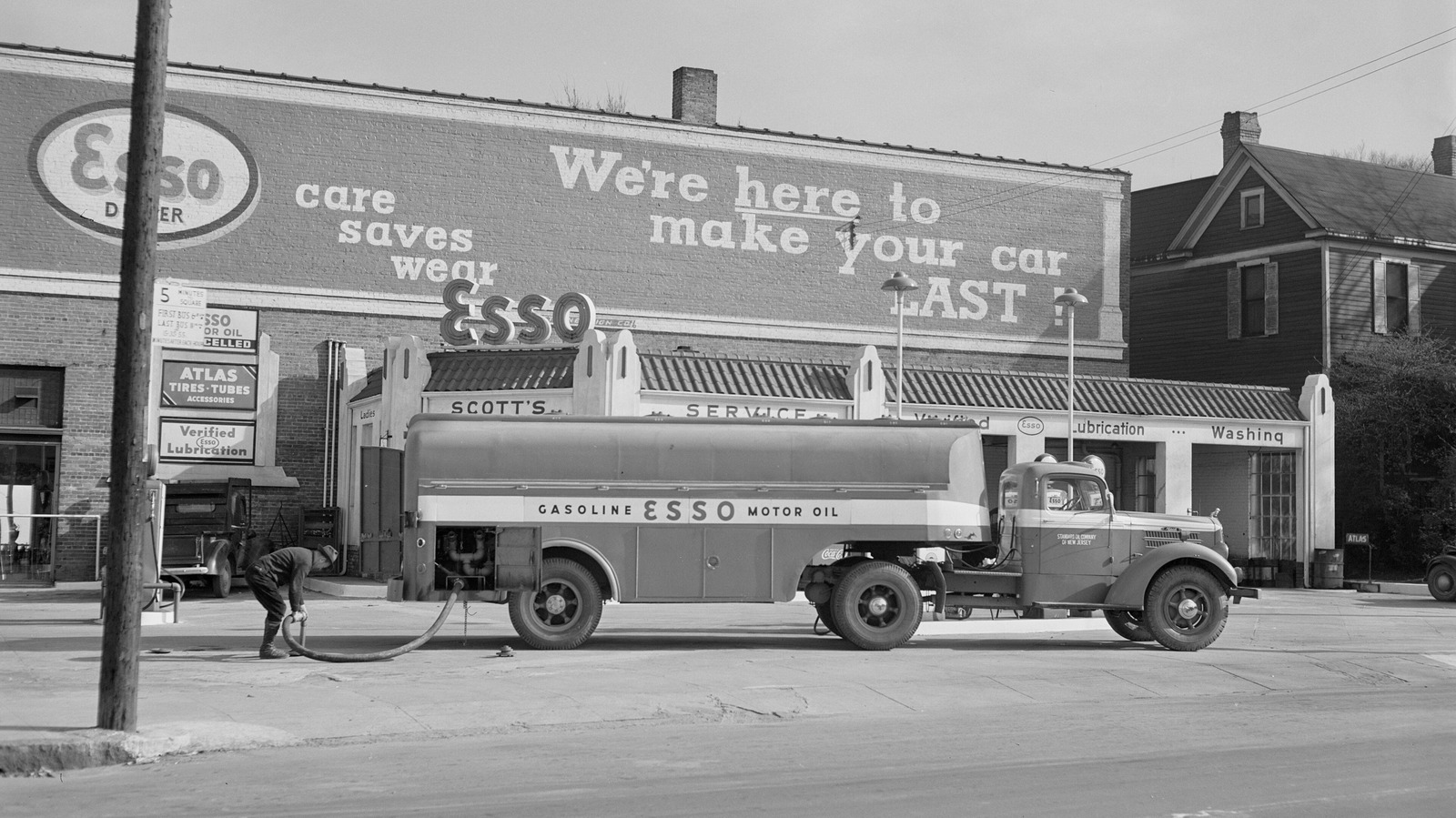
The Fuel Truck at the Gas Station: Myth, Caution, or Legitimate Concern?
You've probably been there before. You pull into a gas station, ready to fill up your tank, and notice a large fuel delivery tanker parked alongside the underground storage tanks. Maybe a friend once told you to drive away and come back later, or perhaps you've seen a sign on the pump warning you not to fill up during a fuel delivery. But is this advice rooted in real science, or is it just another driving myth passed down through generations of cautious motorists?
The truth, as it turns out, lies somewhere in between. There are legitimate reasons to be cautious about pumping gas when a fuel truck is actively unloading, but the risk isn't quite as dramatic as some people believe. Let's break down exactly what happens during a fuel delivery, what the potential concerns are, and how you can make the smartest decision at the pump.
What Actually Happens When a Fuel Tanker Delivers Gas?
Before diving into the risks, it helps to understand the delivery process itself. When a fuel tanker arrives at a gas station, it connects a hose to underground storage tanks buried beneath the station's lot. The driver then pumps thousands of gallons of fresh gasoline down into those tanks, which sit below the ground and feed directly into the pumps you use every day.
This process can take anywhere from 20 minutes to over an hour depending on the volume being delivered and the number of tanks being filled. During this time, the underground tanks experience a significant influx of liquid fuel, which displaces the air and vapors already sitting inside. That displacement is where the real concern begins.
The Main Concern: Sediment and Debris Stirred Up During Delivery
One of the most commonly cited reasons to avoid pumping gas during a fuel delivery is sediment disturbance. Over time, small particles of rust, dirt, and other debris can settle at the bottom of underground storage tanks. Under normal conditions, this sediment sits harmlessly at the bottom and doesn't make its way into the fuel you pump.
However, when thousands of gallons of fresh fuel come rushing in from a delivery truck, it creates significant turbulence inside the storage tank. This turbulence can stir up that settled sediment and mix it into the gasoline. If you happen to be pumping gas at exactly this moment, there's a chance that contaminated fuel — carrying fine particles of rust or debris — could make its way into your vehicle's tank.
While modern fuel systems include filters designed to catch contaminants before they reach your engine, consistently introducing sediment-heavy fuel can clog fuel filters faster than normal, potentially leading to reduced engine performance or costly maintenance issues down the road.
Does Sediment Contamination Really Damage Your Engine?
For most drivers in most situations, pumping gas once during a fuel delivery is unlikely to cause catastrophic engine damage. Modern vehicles are equipped with fuel filters and fuel injectors designed to handle small amounts of contamination. However, repeated exposure to stirred-up sediment can accelerate filter wear, and in older vehicles with aging fuel systems, the risk is somewhat higher.
The concern is less about a single incident and more about cumulative effects over time. Think of it like drinking water with a small amount of sediment — one glass probably won't hurt you, but making it a regular habit isn't ideal either.
Other Potential Issues to Be Aware Of
Beyond sediment, there are a few other factors worth considering when a fuel delivery is in progress at your station.
- Vapor displacement: As fresh fuel enters the underground tanks, it pushes vapors upward through vent pipes. While modern gas stations are equipped with vapor recovery systems to manage this, some older stations may not handle vapor displacement as efficiently, creating a slightly elevated concentration of fuel vapors around the pumping area.
- Inaccurate fuel metering: Some older pumps at stations without modern equipment may be affected by the pressure changes happening underground during a delivery, which could theoretically result in slightly inaccurate fuel metering — though this is rarely a significant issue at well-maintained, modern stations.
- Pump availability: In some cases, stations may actually shut certain pumps down during a delivery as a precautionary measure, making the decision for you automatically.
What Do Experts and Fuel Industry Professionals Say?
Many automotive experts and fuel industry professionals acknowledge the sediment concern as real but tend to characterize the overall risk as low for the average driver. The general consensus is that while it's a sensible precaution to avoid pumping gas during an active fuel delivery if you can easily do so, it's not an emergency-level hazard that warrants significant anxiety.
Some mechanics recommend erring on the side of caution simply because the inconvenience of waiting a few minutes — or driving to the next station — is so low compared to even the minor risk involved. It's the kind of easy preventive measure that costs you almost nothing.
Practical Tips for Smart Fueling Habits
Whether or not you're particularly worried about fuel truck deliveries, building good habits at the pump is always worthwhile. Here are a few simple practices to keep your vehicle's fuel system in the best possible shape.
- If you see a tanker actively unloading, consider waiting or moving to another station. The few minutes you save aren't worth the minor but avoidable risk of pumping stirred-up sediment into your tank.
- Replace your fuel filter on schedule. Consult your vehicle's owner manual for the recommended interval. A clean filter is your best defense against any contaminants that do make it into your fuel.
- Buy gas from busy, reputable stations. High-volume stations cycle through their underground fuel more frequently, which means sediment has less time to accumulate and deliveries happen more often — keeping tanks fresher overall.
- Try to avoid filling up when your tank is nearly empty repeatedly. Consistently running your tank very low can pull debris from the bottom of your own vehicle's fuel tank, compounding any contamination concerns.
The Bottom Line
So, should you avoid filling up your gas tank when a fuel truck is at the station? The honest answer is: it's a reasonable precaution, not a hard rule. The risk of sediment contamination is real but typically minor, especially for drivers with newer vehicles and well-maintained fuel systems. If you notice a tanker actively unloading and you have the flexibility to wait or move on, doing so is a sensible, low-effort choice that could help protect your fuel system over the long run.
As with many aspects of vehicle maintenance, it's the small, consistent habits that add up to big savings and fewer headaches at the mechanic's shop. Knowing what's happening beneath the pavement at your local gas station is just one more way to be a smarter, more informed driver.