
Snap's New AR Specs Are Finally Here — And We Have Feelings
For years, the buzz around Snap's augmented reality glasses has been building steadily in the background of the tech world. Developer kits have been circulating for some time, CEO Evan Spiegel has been dropping hints at every available opportunity, and the company has reportedly poured billions of dollars into research and development to make this product a reality. The promise was always the same: true, consumer-ready AR glasses available to the public by the end of 2026. Well, we've now had our first official look — and the reaction has been anything but straightforward.
This is the product that Snap has staked an enormous amount of its future on. And to be fair, there is genuinely impressive technology packed inside these frames. But after seeing them unveiled on stage, one question keeps nagging: will any of that technology actually matter if people simply don't want to be seen wearing them?
What Are Snap's New Specs, Exactly?
Snap's new Specs — officially known as Spectacles — are the company's long-awaited standalone augmented reality smart glasses. Unlike basic smart glasses that simply play audio or capture photos, these are designed to overlay rich AR experiences directly onto the real world, without requiring a tethered smartphone or an external processing unit. That's a genuinely ambitious goal, and one that very few companies have managed to pull off convincingly at any consumer price point.
The hardware has been in development for years, with Snap investing what amounts to a staggering sum in both the chip design and the optical waveguide technology required to make functional AR lenses a practical reality. On the software side, early previews suggest that the experience is unlike anything currently available on the market — fluid, responsive, and genuinely useful in ways that earlier AR headsets simply weren't.
The Design Problem Nobody Wanted to Talk About
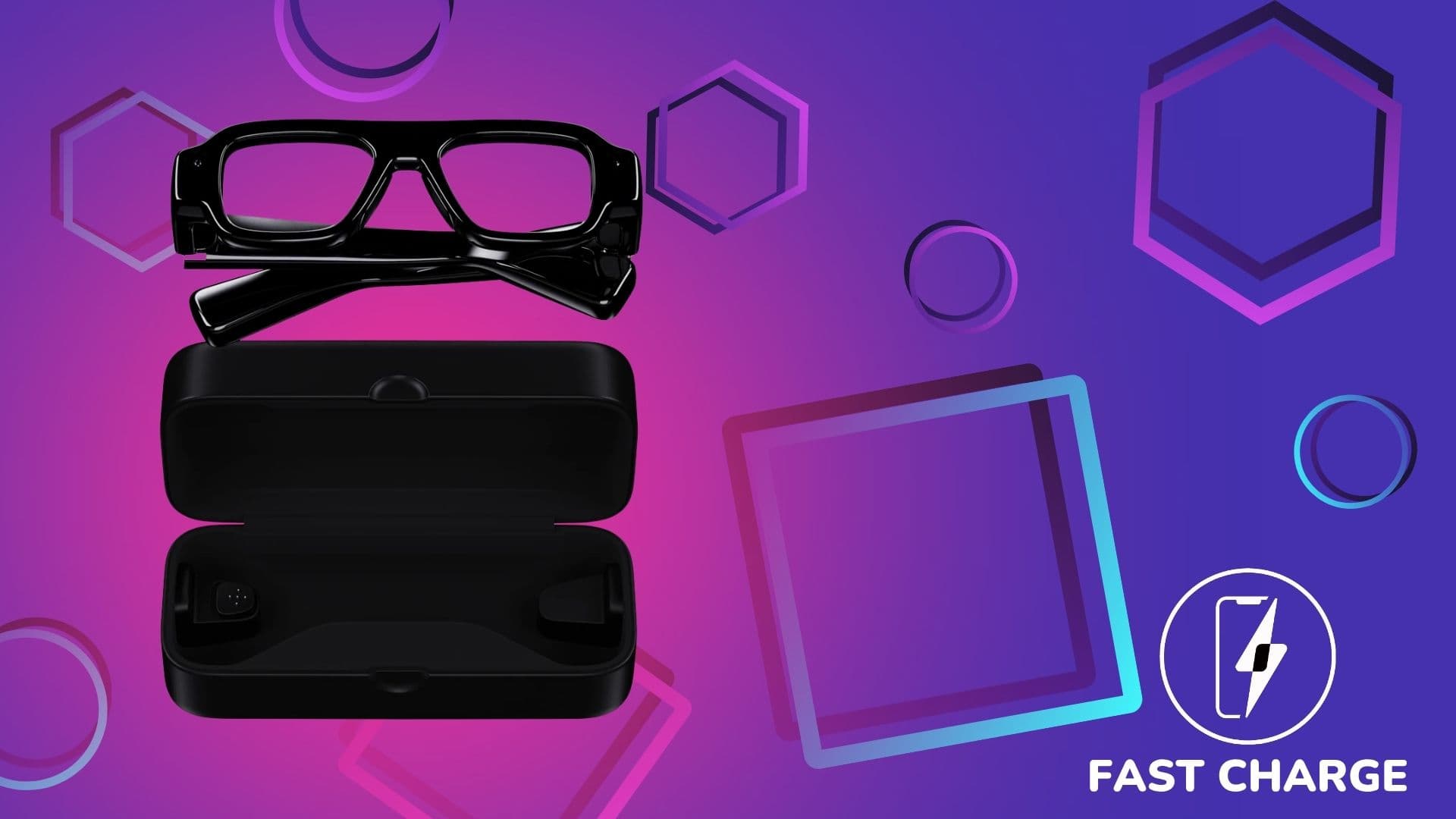
Here is where things get complicated. When Spiegel took to the stage to unveil the Specs, the most immediate reaction from viewers wasn't excitement about the AR capabilities — it was about the size of the frames. The glasses are, to put it diplomatically, substantial. They are chunky, wide, and noticeably large on the face, even when worn by the CEO himself during the announcement.
This matters enormously in the context of the current smart glasses market. Companies like Meta, in partnership with Ray-Ban, have demonstrated that consumers are willing to adopt wearable tech when it looks like something they'd actually choose to wear anyway. Those glasses are sleek, fashionable, and indistinguishable from regular eyewear at a glance. Snap's Specs, at least in their current form, are not that. They look like a piece of technology first and a piece of eyewear a distant second.
The memes came quickly, as they always do, and they were not kind. More telling, perhaps, was the market's response: Snap's stock dropped by approximately 5% following the announcement — a signal that investors share some of the same concerns that consumers are voicing online.
Has Snap Been Too Focused on the Technology?
There is a reasonable argument to be made that Snap has fallen into a trap that catches many deep-tech hardware companies: prioritising engineering ambition over product-market fit. When you spend years and billions of dollars solving extraordinarily difficult technical problems, it becomes easy to assume that the world will simply accept the physical form factor as a necessary compromise. But consumer hardware doesn't work that way — especially when the product in question is something you wear on your face every day.
The history of wearable tech is littered with products that were technically impressive but commercially disastrous because they ignored the social dimension of wearing a device in public. Google Glass remains the cautionary tale that every smart glasses company says it has learned from. Looking at the early images of Snap's Specs, it is worth asking whether that lesson has truly been absorbed.
But the Software Experience Is Genuinely Something Special
And yet — and this is the source of all the conflict — the software side of the Specs appears to be genuinely extraordinary. Hands-on impressions from those who have experienced the AR overlays firsthand describe something that goes well beyond what any consumer AR product has delivered to date. The integration is seamless, the latency is low, and the range of use cases is broad enough to suggest that this is a platform with real legs, not just a flashy demo.
That puts potential buyers — and Snap itself — in a genuinely difficult position. If the experience behind those chunky frames is as good as early reports suggest, then dismissing the Specs purely on aesthetic grounds means missing out on technology that could be years ahead of anything else available. But for most people, the barrier of actually putting them on and walking out the door is a real and significant one.
What This Means for the AR Glasses Market in 2026
Snap's Specs launch — whenever it officially happens later this year — will be one of the most closely watched moments in consumer technology in recent memory. The questions it raises go well beyond one product or one company.
- Can standalone AR glasses reach mainstream adoption before the design catches up with the technology?
- Will early adopters be willing to overlook the aesthetic shortcomings for a genuinely superior experience?
- And will Snap be able to iterate on the design quickly enough to hold market position against better-funded rivals?
The answers will shape not just Snap's future, but the trajectory of the entire augmented reality wearables category for years to come.
The Verdict: Genuinely Excited, Genuinely Worried
Snap's new Specs represent a genuine technical achievement, and it would be wrong to dismiss them simply because they don't look like a pair of Ray-Bans. The company has solved problems that most of its competitors are still struggling with, and the software experience reportedly reflects that investment in full.
But consumer hardware lives and dies not just on what it can do, but on whether people will actually use it. The design of the Specs, at least as revealed at launch, is a real obstacle — and one that Snap will need to address honestly if it wants these glasses to be anything more than a niche product for the deeply enthusiastic. The technology deserves better than that, and so do the people Snap is hoping to convince to wear it.