
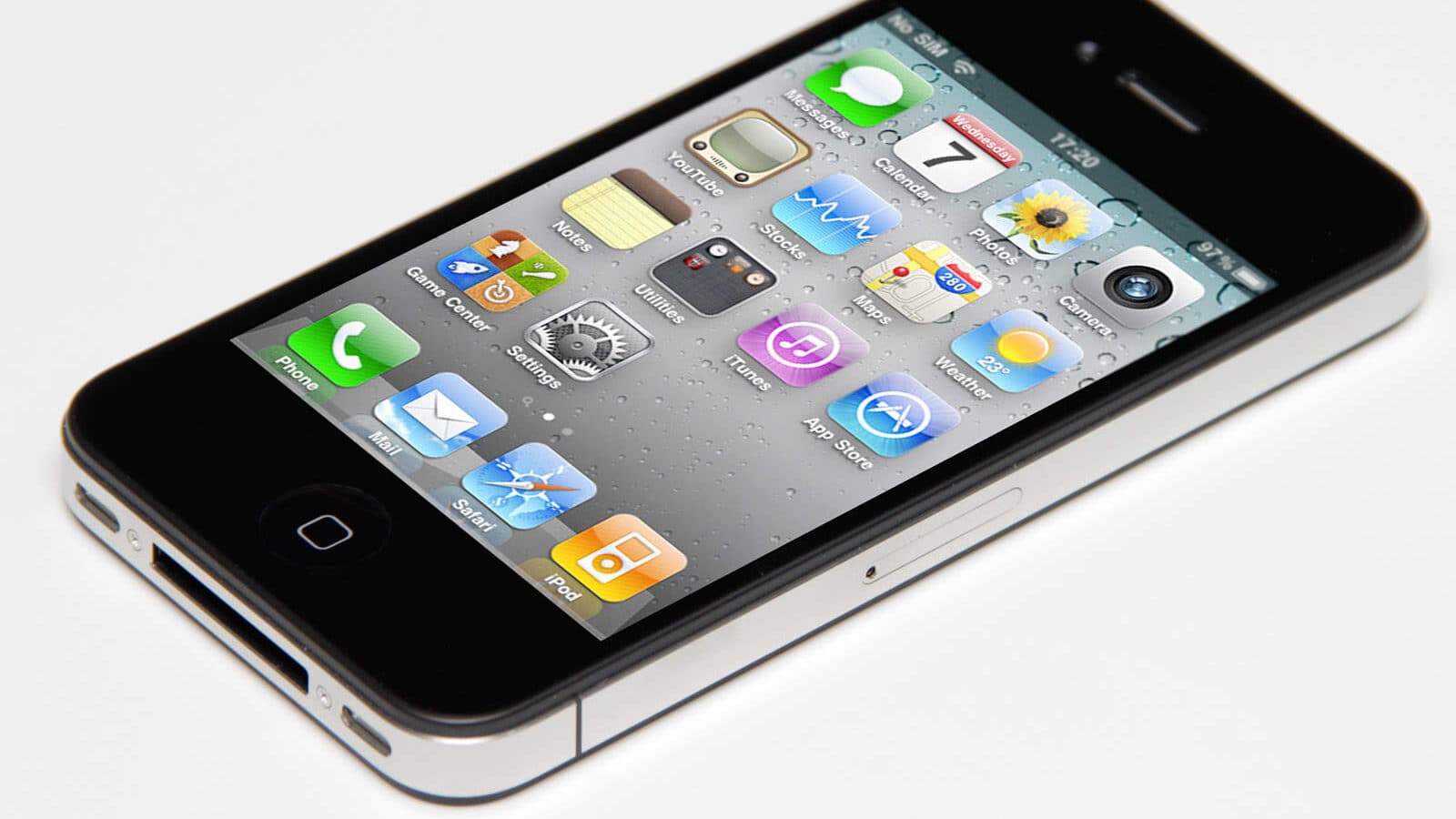
Today in Apple History: iOS 4 Brings FaceTime and Multitasking to the iPhone
On June 21, 2010, Apple made history by releasing iOS 4 — one of the most significant software updates the iPhone had ever seen. Packed with headline features like FaceTime video calling, true multitasking, and the introduction of folders, iOS 4 fundamentally changed how millions of people interacted with their iPhones. Looking back, it's clear that this update wasn't just an incremental improvement; it was a turning point that helped define the modern smartphone experience. Let's take a deep dive into what made iOS 4 such a landmark moment in Apple's history.
The State of the iPhone Before iOS 4
To appreciate how groundbreaking iOS 4 was, it helps to understand where the iPhone stood before it arrived. When Apple first launched the original iPhone in 2007, Steve Jobs famously described it as a widescreen iPod with touch controls, a revolutionary mobile phone, and a breakthrough internet communications device — all in one. But despite the hype, those early versions of iPhone OS (as it was called before being rebranded) were remarkably limited by today's standards.
There was no App Store until iPhone OS 2.0 in 2008. Copy and paste didn't arrive until iPhone OS 3.0 in 2009. Running apps in the background? That was largely off the table. Third-party apps would simply stop the moment you pressed the Home button. For a device marketed as the future of computing, these were significant gaps — gaps that iOS 4 finally began to close in a meaningful way.
FaceTime: A New Way to Connect Face-to-Face
Without a doubt, FaceTime was the most talked-about feature of iOS 4. Introduced alongside the iPhone 4 hardware, FaceTime gave iPhone users the ability to make video calls over Wi-Fi with a simplicity that felt genuinely magical at the time. You didn't need a third-party app, a username, or a complicated setup. You just called someone, and if they had an iPhone 4, you could switch to a video call with a single tap.
Steve Jobs, who introduced FaceTime at WWDC 2010, visibly emotional during the demo, called it "an experience we've always dreamed about." He referenced The Jetsons and science fiction visions of video telephony that had fascinated people for decades, suggesting that Apple had finally made that dream a mainstream reality. Jobs even announced that Apple would submit FaceTime as an open industry standard, though that plan never fully materialized.
While video calling itself wasn't new — services like Skype had been around for years — FaceTime's seamless integration into the iPhone ecosystem made it feel like something different entirely. It laid the groundwork for what would eventually become one of Apple's most-used communication tools, later expanding to Android users and becoming a staple of family connections around the world.
Multitasking: Finally Doing Two Things at Once
The other massive headline feature of iOS 4 was multitasking. For the first time, iPhone users could switch between apps without losing their place. Press the Home button twice, and a tray of recently used apps would appear along the bottom of the screen — a UI pattern that remained largely intact for years, all the way through to the introduction of gesture navigation in iOS 11.
Apple's approach to multitasking was characteristically careful and controlled. Rather than allowing all apps to run freely in the background (which would drain battery life), iOS 4 introduced a set of specific multitasking services — background audio, VoIP support, location updates, push notifications, and fast app switching. Apps could register for one or more of these services, giving developers powerful tools without hammering the battery.
Critics at the time debated whether this was "real" multitasking or a clever workaround, but for everyday users, it felt like a revelation. Being able to listen to Pandora while browsing the web, or jump between apps without losing progress, was transformative.
Folders, Unified Inbox, and More Hidden Gems
Beyond the marquee features, iOS 4 was packed with smaller but deeply appreciated improvements that made daily iPhone life considerably better.
- Folders: Users could finally organize their apps into folders by dragging one icon onto another. For anyone who had accumulated dozens or hundreds of apps, this was a long-overdue quality-of-life improvement that brought a new level of order to the Home screen.
- Unified Inbox: The Mail app gained a unified inbox, allowing users to see all incoming messages from multiple accounts in one place — a seemingly small change that had an outsized impact on productivity.
- iBooks: Apple's iBooks app arrived with iOS 4, bringing digital reading directly into the iPhone and iPad ecosystem and positioning Apple as a serious competitor to Amazon's Kindle platform.
- Spell Check and Custom Wallpapers: Inline spell checking and the ability to set custom wallpapers on the Home screen were also included — features Android users had enjoyed for some time, but that iPhone users had been eagerly waiting for.
- Game Center: iOS 4 also introduced Game Center, Apple's social gaming network that allowed users to compare achievements and challenge friends — a bold step into the gaming ecosystem that would grow significantly in the years ahead.
iOS 4 Compatibility and Its Impact on Older Devices
iOS 4 was made available for the iPhone 3G, iPhone 3GS, iPhone 4, and the second and third-generation iPod touch. However, not all devices received all features. The iPhone 3G, in particular, became notoriously sluggish after updating to iOS 4, with many users reporting severe performance degradation — an issue that drew criticism from consumers and eventually prompted Apple to release patches.
This episode foreshadowed a recurring tension in Apple's ecosystem between supporting older hardware and pushing new software capabilities. It's a challenge the company continues to navigate with every major iOS release to this day.
The Lasting Legacy of iOS 4
It's easy to take FaceTime, multitasking, and app folders for granted now. They're so deeply embedded in everyday iPhone use that it's hard to imagine a world without them. But in June 2010, their arrival was genuinely exciting — proof that Apple was listening to its users and willing to evolve its platform in bold, meaningful ways.
iOS 4 helped cement the iPhone's dominance in the smartphone market at a critical time, when Android was beginning to gain serious traction. By delivering a major feature upgrade alongside the beautiful new iPhone 4 hardware, Apple sent a clear message: the iPhone wasn't just keeping pace with the competition — it was still setting the standard.
Looking back on June 21, 2010, it's remarkable how much a single software update could reshape the way hundreds of millions of people communicate, work, and play. iOS 4 wasn't just a chapter in Apple's history — it was one of the pages that changed everything.