
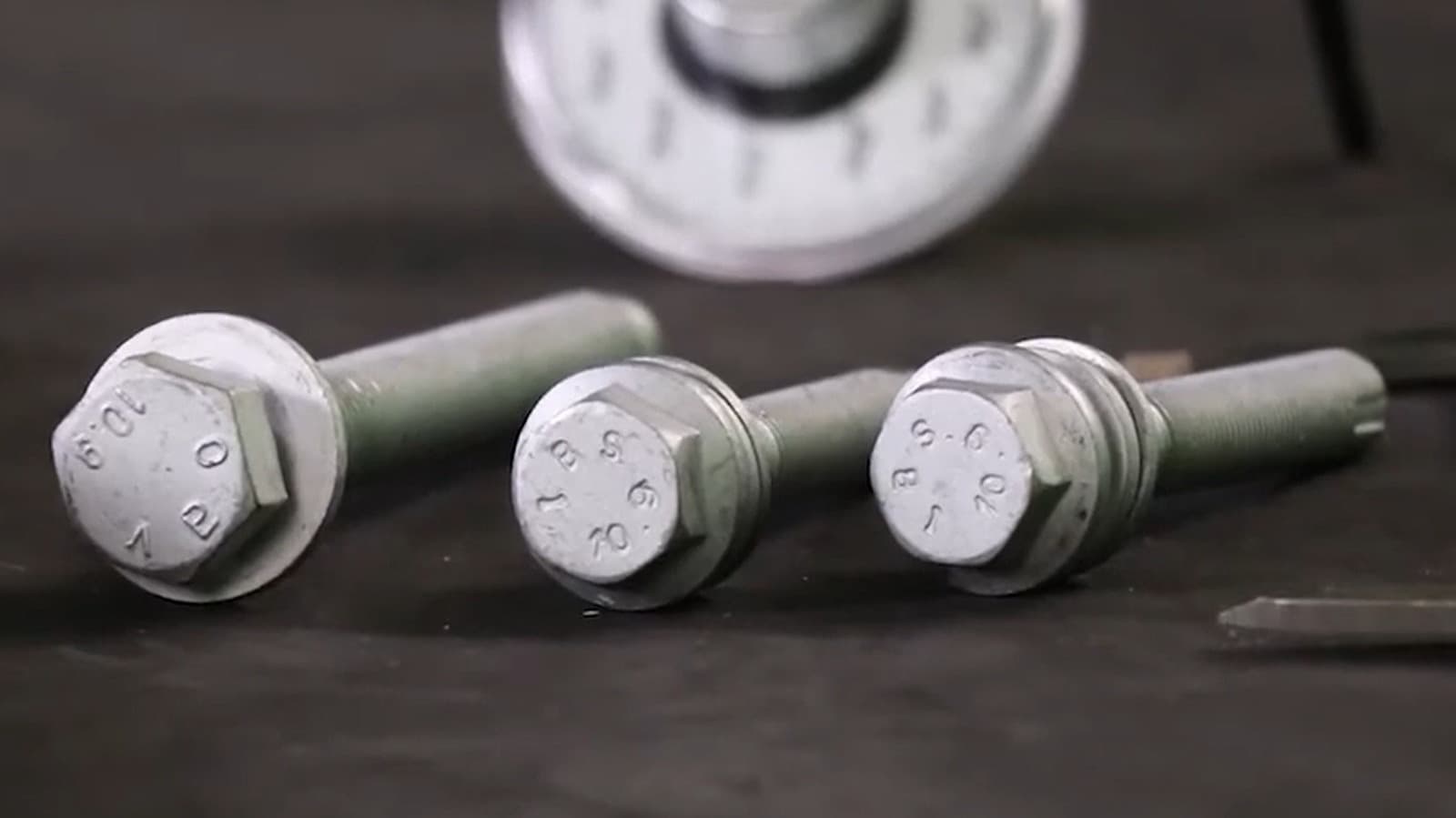
What Are Torque-To-Yield Bolts?
Every modern vehicle is held together by hundreds of fasteners, and not all of them are created equal. Among the most specialized — and most misunderstood — fasteners used in automotive engineering are torque-to-yield bolts, commonly known as TTY bolts. Whether you are a DIY mechanic or simply a curious car owner, understanding what these bolts are and why they exist can save you time, money, and potentially a very costly engine repair.
A torque-to-yield bolt is a type of fastener specifically engineered to be tightened beyond its elastic limit and into its plastic deformation zone. In plain terms, when you tighten a TTY bolt to its specified torque value, the bolt actually stretches slightly and permanently. This controlled stretching is not a flaw — it is the entire point of the design. The yielding of the bolt material creates a highly consistent and reliable clamping force that standard bolts simply cannot replicate with the same precision.
How TTY Bolts Differ From Standard Bolts
To appreciate what makes a torque-to-yield bolt special, it helps to understand how conventional bolts work. A standard bolt is designed to be tightened within its elastic range, meaning the bolt can flex under load and spring back to its original shape once the torque is removed. This elasticity is generally useful, but it also introduces variability. Friction between the threads, lubrication levels, and surface conditions all affect the actual clamping force achieved, making precise, repeatable results difficult to guarantee.
TTY bolts bypass much of this variability by being designed to stretch past the elastic threshold into plastic deformation. Once a bolt has yielded, it maintains a much more uniform and predictable clamping load across the joint. The stretch itself acts almost like a built-in tension indicator, ensuring that the fastener is doing exactly the job it was engineered to do. This level of consistency is especially critical in high-stress assemblies like cylinder heads, connecting rods, and main bearing caps where uneven clamping force can lead to catastrophic engine failure.
Why Do Automakers Use Torque-To-Yield Bolts?
Modern automotive engineering demands tighter tolerances than ever before. As engines have become more powerful, more fuel-efficient, and more compact, the forces acting on critical fasteners have increased dramatically. Automakers turned to TTY bolts as a solution to several key engineering challenges.
More Consistent Clamping Force
As mentioned above, the primary advantage of a TTY bolt is the consistency of the clamping force it delivers. In a cylinder head application, for example, uneven clamping across the head gasket can lead to leaks, overheating, and warped components. TTY bolts provide engineers with a reliable, repeatable way to ensure every bolt in the assembly applies the correct load, regardless of minor variations in thread friction or surface finish.
Better Joint Integrity Under Dynamic Loads
Engines are not static devices. They vibrate, expand with heat, and contract as they cool — thousands of times over the course of their service life. A fastener that sits in its elastic zone can gradually loosen over time as these dynamic forces work against the clamped joint. Because TTY bolts have already been stretched past their yield point, they are less susceptible to loosening from vibration and thermal cycling, which contributes to longer-lasting joint integrity and fewer warranty claims for manufacturers.
Weight and Material Savings
Because TTY bolts deliver superior clamping force through controlled yielding, engineers can often use fewer or smaller fasteners to achieve the same — or better — clamping performance compared to conventional bolt arrangements. In an industry obsessed with weight reduction for fuel economy and performance, even small savings across hundreds of fasteners add up to meaningful gains over the lifetime of a vehicle platform.
The Critical Rule: TTY Bolts Are Single-Use Fasteners
Here is where many DIY mechanics and even some professional technicians make a very expensive mistake. Because a torque-to-yield bolt has already been permanently stretched during its initial installation, it cannot be reused. Attempting to reinstall a used TTY bolt and torque it again will push the material further into its plastic deformation range, well beyond the design limits. The result can be a bolt that snaps during installation or, worse, one that appears to torque correctly but carries nowhere near the intended clamping load — leaving critical engine components dangerously under-secured.
Automakers and engine manufacturers are explicit about this requirement. Any time TTY bolts are removed — during a head gasket replacement, timing chain service, or engine rebuild, for example — they must be replaced with new fasteners. Skipping this step might seem like a cost-saving measure, but it is a gamble that can result in a blown head gasket, bent connecting rod, or complete engine failure shortly after reassembly.
How to Identify TTY Bolts in Your Vehicle
TTY bolts are found in numerous critical locations throughout a modern vehicle, and knowing where they are used is important for any repair job. Common applications include:
- Cylinder head bolts securing the head to the engine block
- Main bearing cap bolts at the bottom end of the engine
- Connecting rod bolts linking the rods to the crankshaft
- Flywheel and flexplate bolts
- Wheel hub and axle fasteners on some platforms
The easiest way to confirm whether a bolt in your vehicle is a TTY fastener is to consult the manufacturer's service manual or a reputable repair database for your specific make and model. If the torque specification is listed alongside an additional angle-tightening step — such as "tighten to 22 ft-lbs, then rotate an additional 90 degrees" — that is a strong indicator you are dealing with a TTY bolt. The angle-tightening method is a common way to achieve the controlled stretch these fasteners require.
Final Thoughts: Respect the Engineering
Torque-to-yield bolts represent a sophisticated engineering solution to a real-world problem. By deliberately stretching fasteners into their plastic range, automakers achieve the consistent, reliable clamping force that modern high-performance engines demand. Understanding what TTY bolts are, where they are used, and why they must never be reused is essential knowledge for anyone working on a modern vehicle. The next time a service manual tells you to replace a bolt rather than reinstall the old one, you will know exactly why that instruction exists — and why following it could be the difference between a successful repair and a very costly comeback.