
Toy Story 5 Takes on Technology — and It's Smarter Than You Think
When Pixar first announced Toy Story 5, many fans and critics wondered what fresh territory the beloved franchise could possibly explore. The answer, it turns out, is surprisingly relevant to modern family life: the film takes a hard, thoughtful look at technology, screen time, and the role parents play in shaping how children relate to both. Rather than offering a lazy moral about evil gadgets, Toy Story 5 delivers a nuanced critique that deserves far more credit than the average animated sequel.
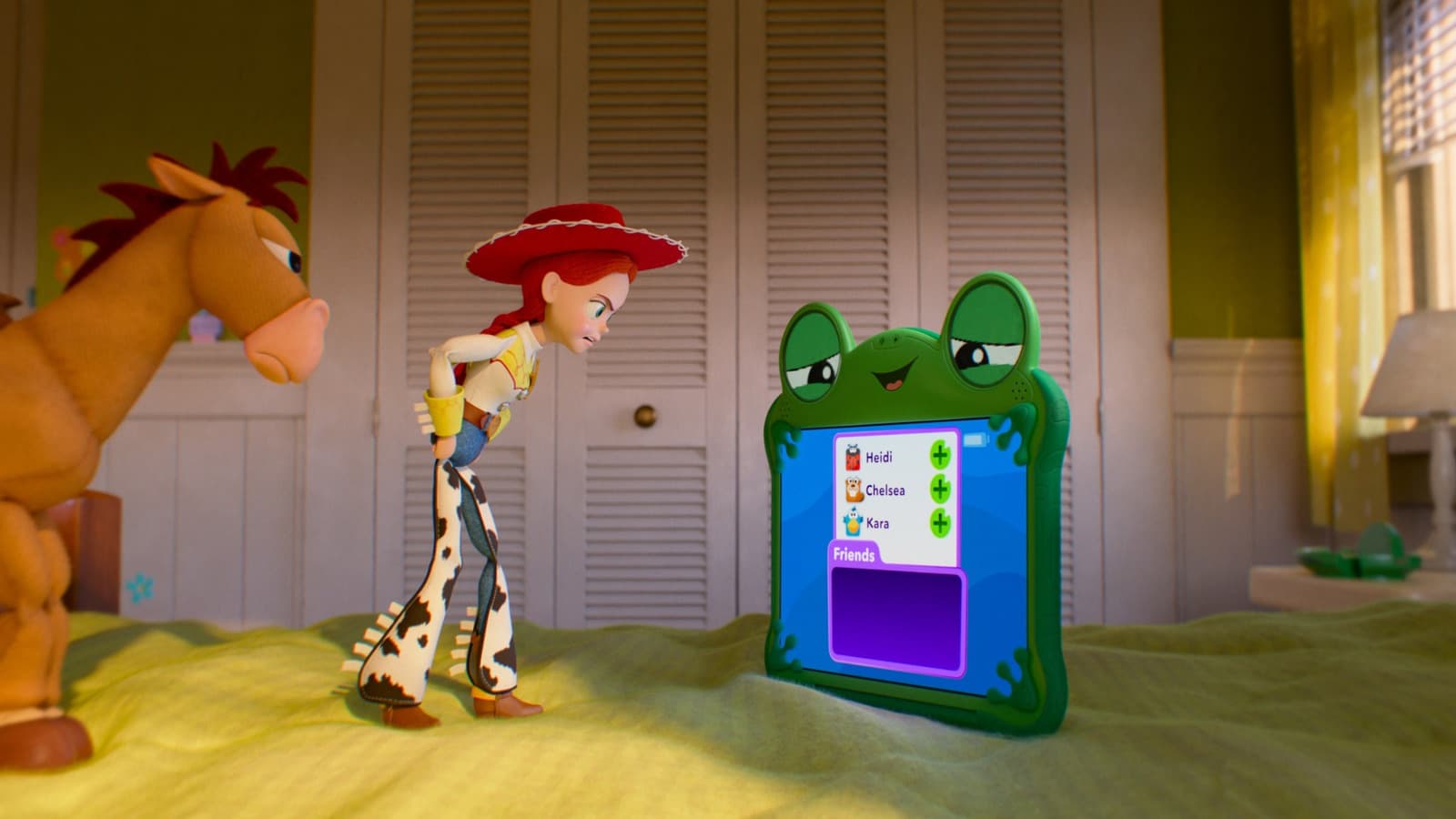
At the center of the story is a tablet — positioned as the film's primary antagonist. But here's the thing: Toy Story 5 is smart enough to understand that a screen isn't inherently sinister. What the film is really interrogating is something far more complex, and far more uncomfortable for adult audiences to sit with.
The Tablet as Villain: A Familiar Fear Given New Life
It's no secret that parents, pediatricians, and cultural commentators have spent the better part of the last decade anxious about children's relationship with screens. Studies on screen time, debates about smartphones in schools, and viral think-pieces about "iPad kids" have made technology the bogeyman of modern parenting. Toy Story 5 taps directly into that cultural anxiety.
By framing a tablet as a villain, the film immediately speaks a language that resonates with millennial and Gen X parents — the very people most likely to be sitting in the theater alongside their kids. There's an instinctive nod of recognition when the story positions a glowing screen as something pulling a child away from tactile, imaginative play. It feels true, because in many households, it is.
But Pixar doesn't let the metaphor stay simple for long. The filmmakers are clearly aware that demonizing technology outright would be both intellectually dishonest and narratively cheap. Instead, the tablet in Toy Story 5 functions less as pure evil and more as a mirror — reflecting the choices, attention, and presence (or absence) of the adults around the child at the center of the story.
Technology Isn't the Real Problem — Parenting Is
This is where Toy Story 5 earns its most meaningful praise. The film's deeper argument is that technology becomes a problem when it fills a void that parents have left open. The tablet doesn't corrupt the child in the story through some malevolent agenda; it simply occupies the space that engaged, attentive parenting has not filled.
It's a pointed message, and one that might sting a little for audiences. In an era when smartphones are as much a parental distraction as a childhood one, Toy Story 5 resists the easy comfort of blaming the device. The responsibility, the film suggests, falls squarely on adults to be present, to engage, and to guide their children through a world full of compelling technology rather than simply surrendering them to it.
This theme aligns with a growing body of child development research suggesting that the harm of excessive screen time is frequently compounded by low parental engagement rather than technology exposure alone. Children who use devices alongside involved caregivers — watching together, discussing content, setting boundaries — tend to fare significantly better than those handed a screen as a substitute for connection.
What Pixar Gets Right About the Nuance of Tech
One of the most refreshing aspects of Toy Story 5's approach is that it doesn't argue technology is categorically bad. The film acknowledges what any honest observer of modern life must: screens offer genuine value. They connect families across distances, open doors to education, fuel creativity, and provide access to stories and perspectives that would otherwise remain out of reach.
By allowing its tablet character to have moments of positive influence as well as destructive ones, the film avoids the kind of Luddite moralizing that would undermine its message. The critique isn't "put down the device." It's more layered than that — something closer to "understand what you're choosing when you make technology a caregiver."
This kind of nuance is rare in children's entertainment. Most animated films with a tech-skeptic message lean heavily on spectacle and simple good-versus-evil framing. Toy Story 5, by contrast, trusts its audience — children and adults alike — to hold a more complicated idea.
Why This Message Matters Right Now
The timing of Toy Story 5's release feels deliberately calibrated to the cultural moment. Lawmakers in multiple countries are debating social media age restrictions. Schools are banning smartphones. Parents are increasingly overwhelmed trying to navigate a digital landscape that evolves faster than any guidebook can keep up with.
Into that environment, Pixar has dropped a film that essentially says: the technology isn't going away, and it isn't entirely the enemy. What matters is the framework of care, attention, and relationship that surrounds a child as they encounter it. That's not a radical idea, but hearing it told through the language of Buzz Lightyear and Woody gives it an emotional weight that a parenting podcast never quite manages.
Final Thoughts: A Franchise That Keeps Growing Up
Toy Story has always been a franchise about change, loss, and the bittersweet passage of childhood into adulthood. Toy Story 5 continues that tradition by confronting one of the defining anxieties of contemporary parenthood. It uses the tablet as a villain not to condemn technology, but to ask a harder question of every adult in the audience: are you present enough to compete with it?
That's a surprisingly mature provocation for a sequel about talking toys — and exactly the kind of storytelling that has kept Pixar relevant across generations. Whether or not you agree with every beat of its argument, Toy Story 5 is a film that earns its place in the conversation about how we raise children in a digital world.