
UK Social Media Ban for Under-16s: Everything You Need to Know
The UK government has officially announced plans to ban children under the age of 16 from using social media platforms, with the new legislation expected to come into force from Spring 2027. This landmark decision has sparked widespread debate across the country, with strong opinions on both sides of the argument. Whether you're a parent trying to understand what this means for your child, a teacher navigating digital wellbeing in the classroom, or simply someone curious about one of the most significant pieces of online regulation in recent UK history, this guide breaks down everything you need to know.
What Is the UK Social Media Ban for Under-16s?
In short, the UK government is planning to legally prohibit anyone under the age of 16 from creating accounts on or accessing social media platforms. Crucially, this does not mean a blanket ban on internet use for young people. Children will still be able to browse the web, read online news, conduct research for school, and play online games. The restriction is specifically targeted at social media platforms — the kind that allow users to create profiles, share content, and interact with others publicly or semi-publicly.
This makes the UK one of the most proactive countries in the world when it comes to regulating children's access to social media, following in the footsteps of Australia, which passed similar legislation in late 2024. The move signals a growing global consensus that unrestricted social media access poses genuine risks to the mental health and wellbeing of young people.
When Does the UK Social Media Ban Start?
The ban is currently expected to come into effect in Spring 2027. This timeline gives the government, social media companies, and technology providers time to develop and implement the technical and legal frameworks needed to enforce the restrictions effectively. Because the rollout is still over a year away at the time of writing, many of the finer details are yet to be confirmed, and further announcements are expected as the legislation progresses through Parliament.
Parents, educators, and young people should keep an eye on official government communications and reputable news sources for updates as the Spring 2027 deadline approaches.
Which Social Media Platforms Are Included?
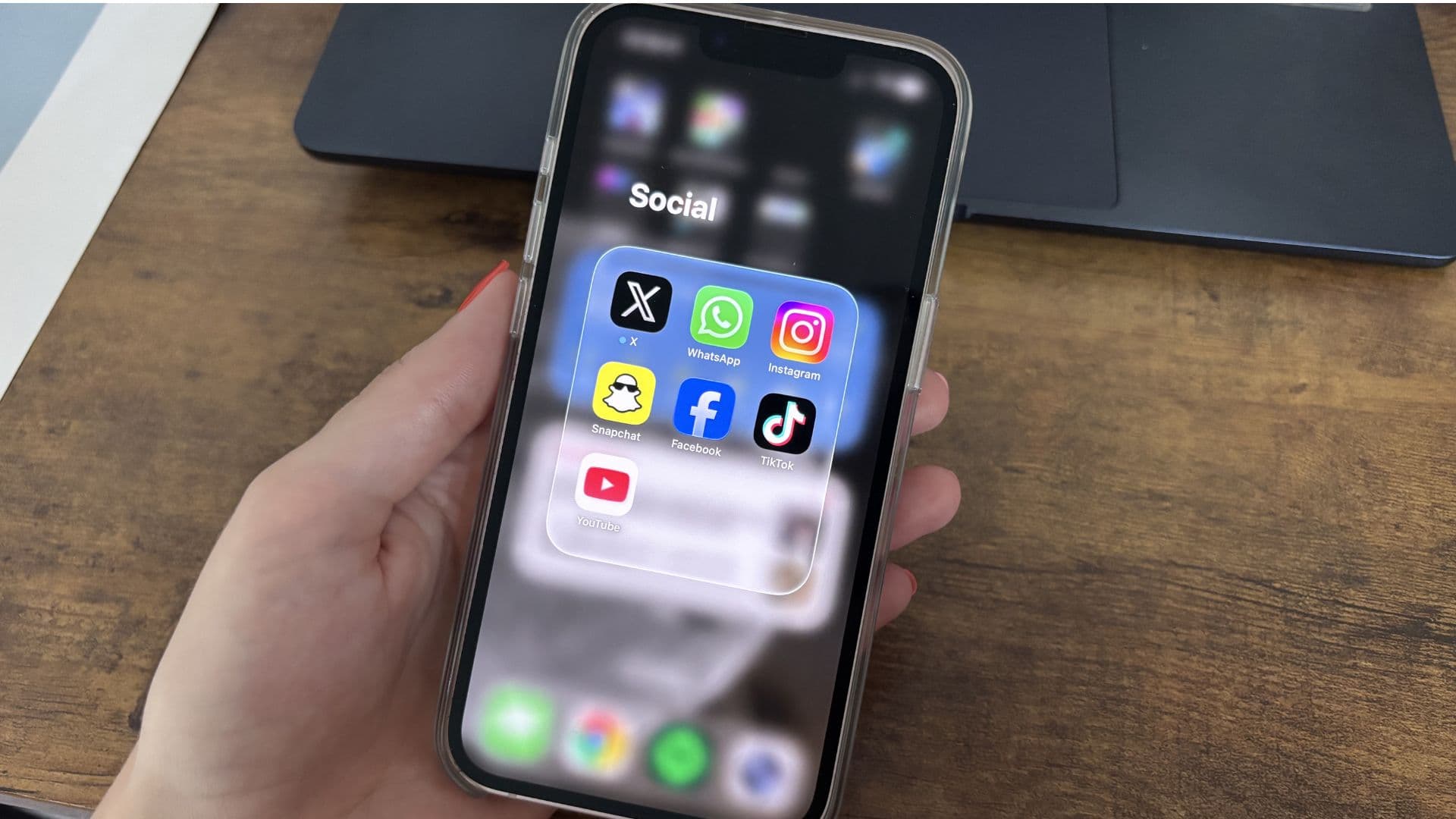
While the full and final list of platforms subject to the ban has not yet been published, the legislation is expected to cover the major social media networks that are most popular among young people in the UK. Based on current information, platforms likely to fall under the ban include the following.
- Instagram — Meta's photo and video sharing platform, which has long been a subject of concern among child safety advocates due to its potential impact on body image and self-esteem in teenagers.
- TikTok — The short-form video app that has become enormously popular with younger audiences, raising concerns about addictive design and exposure to inappropriate content.
- Snapchat — The disappearing-message platform widely used by teens, which has faced scrutiny over privacy and safety features.
- X (formerly Twitter) — The microblogging and public conversation platform previously known as Twitter.
- Facebook — While Facebook's primary demographic has aged significantly, it remains relevant and is owned by Meta alongside Instagram.
- YouTube — Though primarily a video platform, YouTube's social and community features may bring it within scope, although this remains one of the areas still to be clarified.
It is worth noting that platforms primarily designed for messaging, such as WhatsApp, may be treated differently, and educational or informational platforms are not expected to be included. The government is expected to release more precise definitions of what constitutes a "social media platform" under the new law ahead of its implementation.
How Will the Ban Be Enforced?
Enforcement is arguably the most complex and contested element of this legislation. The central question is: how do you reliably verify the age of a user online? The government is expected to require social media companies to implement robust age verification mechanisms as a condition of operating in the UK. This could involve a range of methods, from checking government-issued ID documents to using third-party age verification services.
Critics of the ban have raised legitimate concerns about the practicality of enforcement. Young people who are determined to access social media could potentially use VPNs, borrow a parent's account, or find other workarounds. However, supporters argue that making it significantly harder for under-16s to access these platforms will still produce meaningful reductions in usage, even if the system is not entirely watertight.
Social media companies that fail to comply with the age verification requirements could face substantial fines under the UK's existing Online Safety Act framework, which already empowers the regulator Ofcom to hold platforms accountable for protecting younger users.
What Are the Arguments For and Against the Ban?
Reactions to the ban have been genuinely mixed. Many parents, teachers, and child health professionals have welcomed the move, citing mounting evidence linking heavy social media use among teenagers to increased rates of anxiety, depression, sleep disruption, and cyberbullying. For these groups, the ban represents a long-overdue acknowledgment that the current self-regulatory approach adopted by tech companies has not been sufficient.
On the other hand, critics — including some young people themselves — have argued that the ban is overly restrictive and fails to account for the positive role social media can play in young people's lives. For many teenagers, social media is a primary means of staying connected with friends, exploring creative interests, and accessing peer support communities. There are also concerns about digital exclusion and whether the ban risks leaving young people less prepared to navigate online spaces safely when they do eventually gain access at 16.
What Should Parents Do Now?
With Spring 2027 still on the horizon, there is time for families to have open, informed conversations about social media use. Parents are encouraged to discuss the reasoning behind the upcoming ban with their children, explore existing parental control tools available on devices and platforms, and stay informed as the government releases further guidance.
The UK social media ban for under-16s represents one of the boldest steps any government has taken to regulate children's digital lives. Whether it proves effective will depend largely on how well it is implemented — and that story is only just beginning.