
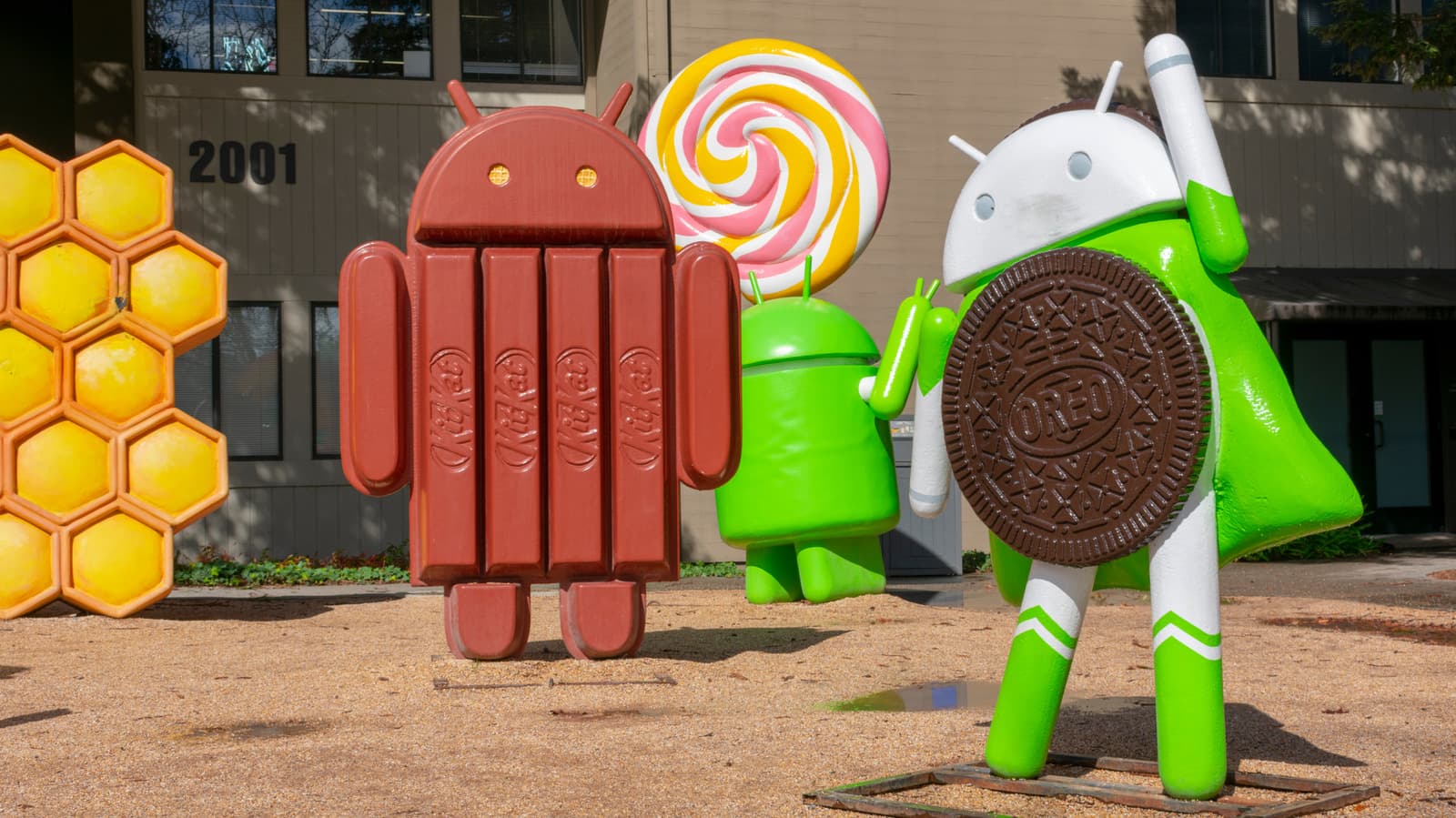
The Sweet History Behind Android's Dessert Names
If you were an Android user in the early days of smartphones, you probably remember the excitement of waiting to find out what dessert Google would name the next version of its operating system. From Cupcake to KitKat, from Lollipop to Pie, Android's alphabetically ordered, dessert-themed version names became one of the most recognizable and beloved traditions in consumer technology. These names weren't just marketing gimmicks — they were part of Android's identity, a way of making software updates feel fun, approachable, and oddly personal.
But then, with Android 10 in 2019, Google quietly retired the tradition. No dessert name was announced to the public. No letter reveal. No giant statue outside the Googleplex in Mountain View. Just a number. It felt, to many longtime fans, like the end of an era. So what actually happened? Why did Google walk away from something that had become so culturally iconic?
A Brief Timeline of Android's Dessert Era
To understand why the naming convention was dropped, it helps to appreciate just how long it ran and how deeply embedded it became in Android culture. The dessert names began officially with Android 1.5 Cupcake in 2009 and continued in strict alphabetical order for a full decade. Here's a quick look at the progression:
- Cupcake (1.5) — The first publicly named dessert release, introducing features like the on-screen keyboard.
- Donut (1.6) — Brought expanded search functionality and support for different screen sizes.
- Eclair (2.0/2.1) — Introduced Google Maps Navigation and a revamped UI.
- Froyo (2.2) — Short for Frozen Yogurt, this version brought major speed improvements and Wi-Fi hotspot support.
- Gingerbread (2.3) — A major UI overhaul that dominated the Android landscape for years.
- Honeycomb (3.x) — A tablet-focused release that represented a bold design pivot.
- Ice Cream Sandwich (4.0) — Unified tablets and phones under one cohesive design language.
- Jelly Bean, KitKat, Lollipop, Marshmallow, Nougat, Oreo, Pie — Each successive version brought major improvements while continuing the sweet tradition.
By the time Android Pie arrived in 2018, the tradition had spanned nearly a decade and twelve major releases. It seemed unstoppable. Yet just one year later, it was gone.
The Real Reason Google Dropped the Dessert Names
Google was surprisingly candid about its reasoning when it made the change. The core issue was one of global accessibility and clarity. According to Sameer Samat, VP of Product Management for Android at the time, the dessert names simply didn't translate well across languages and cultures around the world.
Not every dessert is universally known. Naming a version "Nougat" or "Marshmallow" works fine for users in the United States or Western Europe, where those treats are familiar. But for hundreds of millions of Android users in India, Southeast Asia, Africa, and Latin America, these names carried little to no meaning. In some languages, the dessert names were genuinely difficult to translate or even pronounce, making it harder for users to understand what version of Android they were running.
There was also the challenge of alphabetical ordering. By the time Android reached version 10, Google was running into the letter "Q." Finding a well-known, globally recognizable dessert that starts with Q proved difficult. "Quince Tart" and "Queen Cake" were apparently internal codenames, but neither had the same ring as "Oreo" or "KitKat." The dessert names were becoming strained.
Clarity Over Cuteness: The Practical Business Case
Beyond cultural translation issues, there was a straightforward usability problem. When someone calls tech support and says they're running Android Nougat, a support agent in another country might have no frame of reference. A plain number — Android 7, Android 11, Android 14 — communicates the hierarchy immediately and universally. You don't need to know the dessert alphabet to understand that Android 14 is newer than Android 12.
This shift mirrored broader trends in software versioning. Apple's iOS has long used simple version numbers. Microsoft moved away from quirky Windows names (Vista, Me) toward cleaner branding. Google was, in a sense, growing up — aligning Android with the kind of clear, professional communication that a global platform serving over three billion devices demands.
The Dessert Names Live On — Internally
Here's the part that Android enthusiasts find comforting: Google never actually abandoned the dessert names entirely. They continue to be used as internal codenames within Google's engineering and development teams. Android 10 was internally called "Queen Cake," Android 11 was "Red Velvet Cake," Android 12 was "Snow Cone," and Android 13 was "Tiramisu." These internal names still follow the alphabetical dessert convention — they just aren't promoted publicly anymore.
Google even acknowledged this openly, essentially saying the tradition was too beloved internally to kill off completely. The dessert names became a piece of corporate culture even as they faded from consumer-facing branding.
What This Change Tells Us About Android's Evolution
The shift away from dessert names is a small but telling symbol of how Android has matured as a platform. In the early days, Android was a scrappy challenger to Apple's iPhone, and its playful naming convention fit that personality perfectly. It was fun, it was nerdy, and it rewarded the kind of enthusiast who followed every announcement.
Today, Android powers billions of devices across virtually every country on Earth. Its user base is as diverse as humanity itself. Prioritizing clarity and global inclusivity over a charming internal tradition isn't a loss — it's a sign of growth. The dessert names were a wonderful chapter in Android's story, but a numbered system is simply better suited to a platform that has become the world's most widely used operating system.
Whether you miss the sweet names or appreciate the cleaner numbering system, one thing is clear: Android's decision to change was driven by genuine consideration for its global user base, and that's a pretty good reason to let go of even the most beloved traditions.