
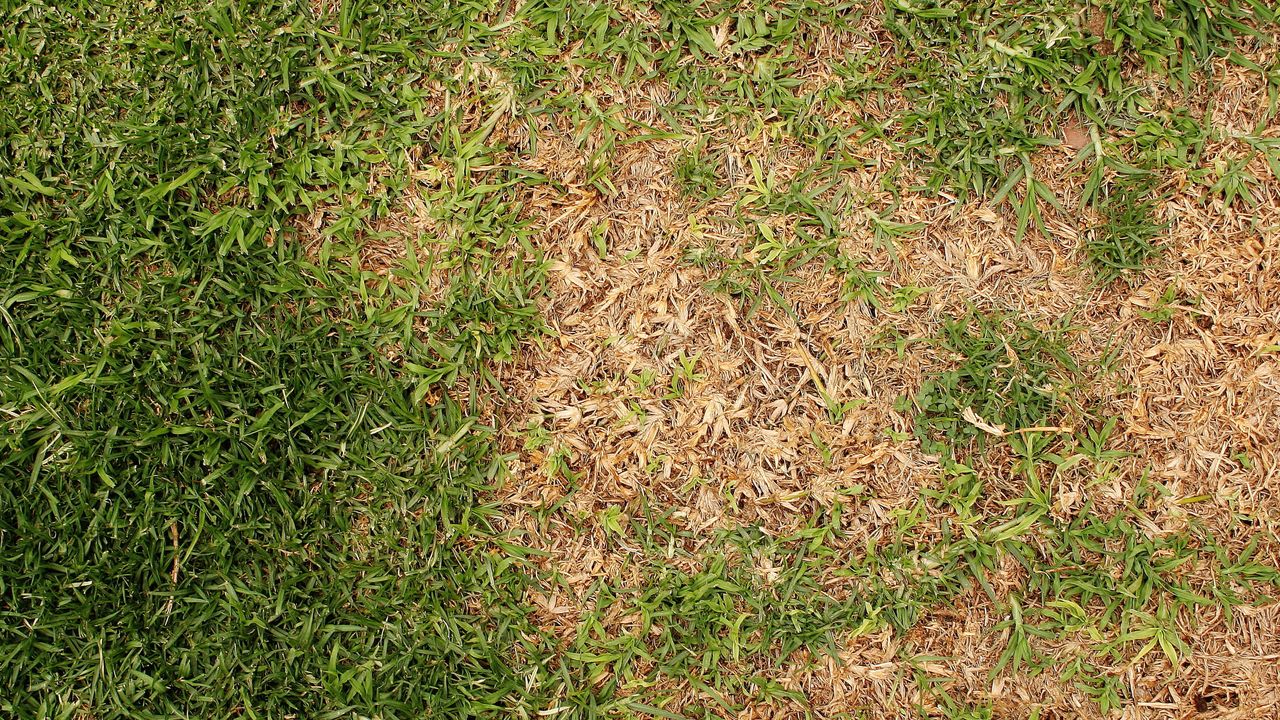
Why Do I Have Yellow Patches in My Lawn? Gardening Experts Share Their Top Tips
Summer is in full swing, and while you might be enjoying the warm weather, your lawn could be telling a very different story. If you take pride in a lush, green yard, spotting yellow patches spreading across your grass can be genuinely disheartening — especially when you have a backyard barbecue on the calendar or guests coming over on the weekend. The good news is that yellow patches in your lawn are a common problem, and in most cases, they are entirely fixable. We've gathered insights from leading gardening and lawn care experts to help you understand exactly what's going wrong and, more importantly, how to make it right.
What Causes Yellow Patches in Your Lawn?
Before you can treat the problem, you need to understand what's causing it. Yellowing grass is far more common than most homeowners realize, and it typically emerges when the weather shifts from a period of heavy rain into a sudden dry spell. This discoloration has a scientific name: chlorosis. When grass undergoes significant stress — whether from heat, drought, disease, or poor soil conditions — the green chlorophyll in the grass blades begins to break down. As the chlorophyll fades, it exposes the underlying yellow carotenoid pigments that are normally hidden during healthier growing periods. The result is those unsightly yellow or pale patches that spread across what was once a vibrant lawn.
According to lawn care professionals, there is rarely just one cause behind a yellowing lawn. Instead, a combination of factors is usually at play. Understanding each one is the first step toward a lasting solution.
Overwatering and Underwatering: Finding the Right Balance
One of the most common culprits behind yellow lawn patches is improper watering — and this can go in either direction. Both overwatering and underwatering can cause your grass to turn yellow, which is why diagnosing which issue you're dealing with is so important before reaching for the hose.
"If you notice yellow patches in your lawn, it might be a sign that you are overwatering or underwatering your grass," says Allison Koenig, a lawn and garden expert at Tractor Supply.
So how do you tell the difference? Here are the key signs to look for:
- Underwatering: Grass that looks dry, feels crispy or brittle underfoot, and has started to turn brown or straw-like is almost certainly not getting enough water. During hot summer spells, soil can dry out much faster than you expect, leaving the roots parched and unable to absorb the nutrients they need to maintain their green color.
- Overwatering: Grass that feels constantly soggy, shows yellowing patches, or develops visible mold or fungal growth is being drowned. Excess moisture starves the roots of oxygen and creates the perfect conditions for fungal disease to take hold, both of which rapidly damage and discolor your lawn.
The ideal watering approach, according to experts, is to water deeply but infrequently. Rather than giving your lawn a light sprinkle every day, water it thoroughly a few times per week. This encourages roots to grow deeper into the soil in search of moisture, making the grass more resilient during dry spells and less vulnerable to stress overall.
Soil and Nutrient Deficiencies
Even if your watering routine is perfectly calibrated, your lawn can still develop yellow patches if the soil beneath it is lacking in essential nutrients. Nitrogen is one of the most critical nutrients for maintaining rich, green grass. When nitrogen levels are too low, grass loses its ability to produce chlorophyll efficiently, which leads directly to chlorosis and visible yellowing. Iron deficiency is another common cause, particularly in soils with a high pH level that prevents the grass from absorbing iron effectively.
Testing your soil is one of the smartest investments you can make for your lawn. Affordable soil testing kits are available at most garden centers and can tell you precisely which nutrients are missing. Once you know what your soil lacks, you can apply a targeted fertilizer to correct the imbalance and restore the conditions your grass needs to thrive.
Lawn Disease and Fungal Problems
Fungal diseases are another significant cause of yellow patches, particularly in lawns that have been overwatered or that experience humid, warm conditions with poor air circulation. Common lawn diseases such as dollar spot, fusarium patch, and rust can all produce characteristic patterns of yellowing or discolored grass. These diseases spread quickly if left untreated, so early identification is essential. Fungal issues typically present as circular or irregular patches of yellow or tan grass, sometimes with a distinct border or powdery coating on the blades.
Treating fungal lawn disease usually involves improving drainage, reducing watering frequency, and in more severe cases, applying an appropriate fungicide as directed by a lawn care professional.
How to Fix Yellow Patches in Your Lawn
Once you've identified the cause of your yellow lawn, restoring it to its former glory is very achievable. Here is a practical action plan recommended by gardening experts:
- Adjust your watering schedule: Switch to deep, infrequent watering sessions — ideally in the early morning to reduce evaporation and minimize the risk of fungal growth overnight.
- Test and amend your soil: Use a soil test to identify nutrient deficiencies and apply a slow-release fertilizer rich in nitrogen and iron to help your lawn recover its color.
- Aerate compacted soil: Compacted soil prevents water and nutrients from reaching the roots. Aerating your lawn in spring or autumn dramatically improves drainage and root health.
- Overseed bare or damaged patches: For areas where the grass has died off entirely, rake away dead material and overseed with a grass variety suited to your climate and soil type.
- Treat disease promptly: If you suspect a fungal infection, act quickly. Remove affected clippings, improve air flow where possible, and consult a lawn care specialist about appropriate treatments.
Preventing Yellow Patches Before They Start
The best lawn care strategy is always a proactive one. Regular mowing at the correct height for your grass type, consistent but measured watering, seasonal fertilizing, and annual aeration all work together to build a lawn that is naturally more resistant to stress, disease, and discoloration. Keep an eye on your yard throughout the summer months, and address any early signs of yellowing quickly before the problem has a chance to spread.
Yellow patches in your lawn are frustrating, but they are rarely permanent. With the right diagnosis, a few targeted adjustments, and a little patience, you can bring your lawn back to life and enjoy a lush, green yard all summer long.