
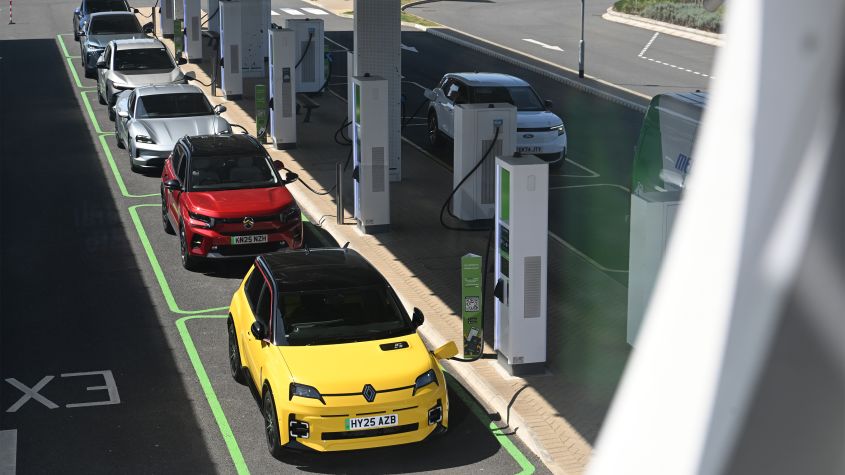
Electric Car Charging Costs Review Launched by Government
The UK government has officially launched a review into electric car charging costs, signalling a significant step toward addressing one of the most persistent concerns among current and prospective electric vehicle (EV) drivers. As the country accelerates its transition away from petrol and diesel cars, questions about the long-term affordability of EV charging have grown louder — and now, it appears, those concerns are finally being taken seriously at the highest levels of policy-making.
For millions of drivers considering making the switch to electric, this review could not have come at a more critical time. The cost of charging an electric vehicle, particularly at public charging points, has become a major talking point in the debate over EV adoption. This government-commissioned report aims to cut through the noise and deliver a clearer picture of what EV ownership really costs — and what can be done to make it more equitable for everyone.
Why the Government Is Reviewing EV Charging Costs Now
The timing of this review is no accident. The UK has set ambitious targets to phase out new petrol and diesel car sales, with a deadline that keeps the pressure firmly on both the automotive industry and the government to ensure that electric vehicles are not just an environmental choice, but a financially viable one for ordinary families.
Despite falling battery costs and a wider range of affordable EV models entering the market, the cost of charging — especially for those without access to home charging — remains a sticking point. Public rapid chargers, in particular, can carry costs that rival, and in some cases exceed, the price of filling up a conventional petrol car. This disparity has sparked widespread frustration among EV owners and has been cited repeatedly as a barrier to wider adoption.
The government's decision to launch a formal review reflects growing pressure from consumer groups, motoring organisations, and EV advocates who have long argued that the public charging infrastructure is not only insufficient in scale but inconsistent and expensive in practice.
Key Concerns the Review Will Address
The government report is expected to examine a broad range of issues that collectively shape the true cost of EV ownership and charging in the UK. Among the central concerns the review is set to tackle are:
- The pricing disparity between home and public charging: Drivers with private driveways who can charge overnight on a domestic tariff currently enjoy a significant cost advantage over those reliant on public networks. This inequality raises serious questions about fairness and accessibility, particularly for renters and urban residents.
- VAT inconsistencies: One of the most criticised aspects of the current charging landscape is the difference in VAT applied to home charging versus public charging. Home electricity used for EV charging is subject to 5% VAT, while public chargers attract the standard 20% rate. This disparity has long been flagged as unjust and counterproductive to the government's own green transport goals.
- Transparency in pricing: Many public charging networks use complex or inconsistent pricing structures, making it difficult for drivers to compare costs or predict their monthly charging expenditure. The review is expected to push for greater clarity and standardisation across the sector.
- Regional availability and pricing gaps: The availability and cost of public charging infrastructure varies dramatically across the UK, with rural areas and lower-income regions often underserved. The review is likely to consider how investment and regulation can help bridge this gap.
What This Means for Electric Vehicle Drivers
For existing EV drivers, the launch of this review is a welcome acknowledgement that their concerns are valid and that action may be on the horizon. While the review itself does not guarantee immediate change, it sets the stage for potential policy interventions that could meaningfully reduce the cost burden of driving electric.
If the review leads to reforms such as a VAT equalisation on public charging, mandatory pricing transparency from charging network operators, or targeted subsidies for those without home charging access, the financial case for EV ownership could improve substantially for a much broader section of the population.
For prospective buyers who have been sitting on the fence, the review may also provide reassurance that the government is committed to ensuring that EV ownership does not remain a privilege of the few. A fairer, more transparent charging landscape could be the nudge that converts hesitation into purchase decisions.
The Broader Context: EV Adoption and the Road Ahead
The UK's electric vehicle market has grown rapidly in recent years, but the pace of adoption still needs to accelerate significantly if national climate and transport targets are to be met. Charging cost concerns sit alongside other barriers such as upfront vehicle prices, range anxiety, and charging infrastructure density — all of which contribute to the complex decision-making process for potential EV buyers.
Industry leaders and environmental groups have broadly welcomed the review, with many calling on the government to move quickly from analysis to action. The charging infrastructure sector itself will be watching closely, as any regulatory changes resulting from the review could reshape the commercial landscape for network operators, energy suppliers, and automotive manufacturers alike.
What Happens Next
As the review progresses, it will be important for the government to engage meaningfully with EV drivers, charging network operators, energy companies, and consumer advocacy groups to ensure that the findings reflect the real-world experience of people on the ground. The outcome of this process has the potential to shape EV charging policy for years to come.
Drivers, industry stakeholders, and environmental campaigners alike will be monitoring developments closely. One thing is clear: the conversation about the true cost of going electric has never been more important — and the government's willingness to engage with it head-on is a step firmly in the right direction.