
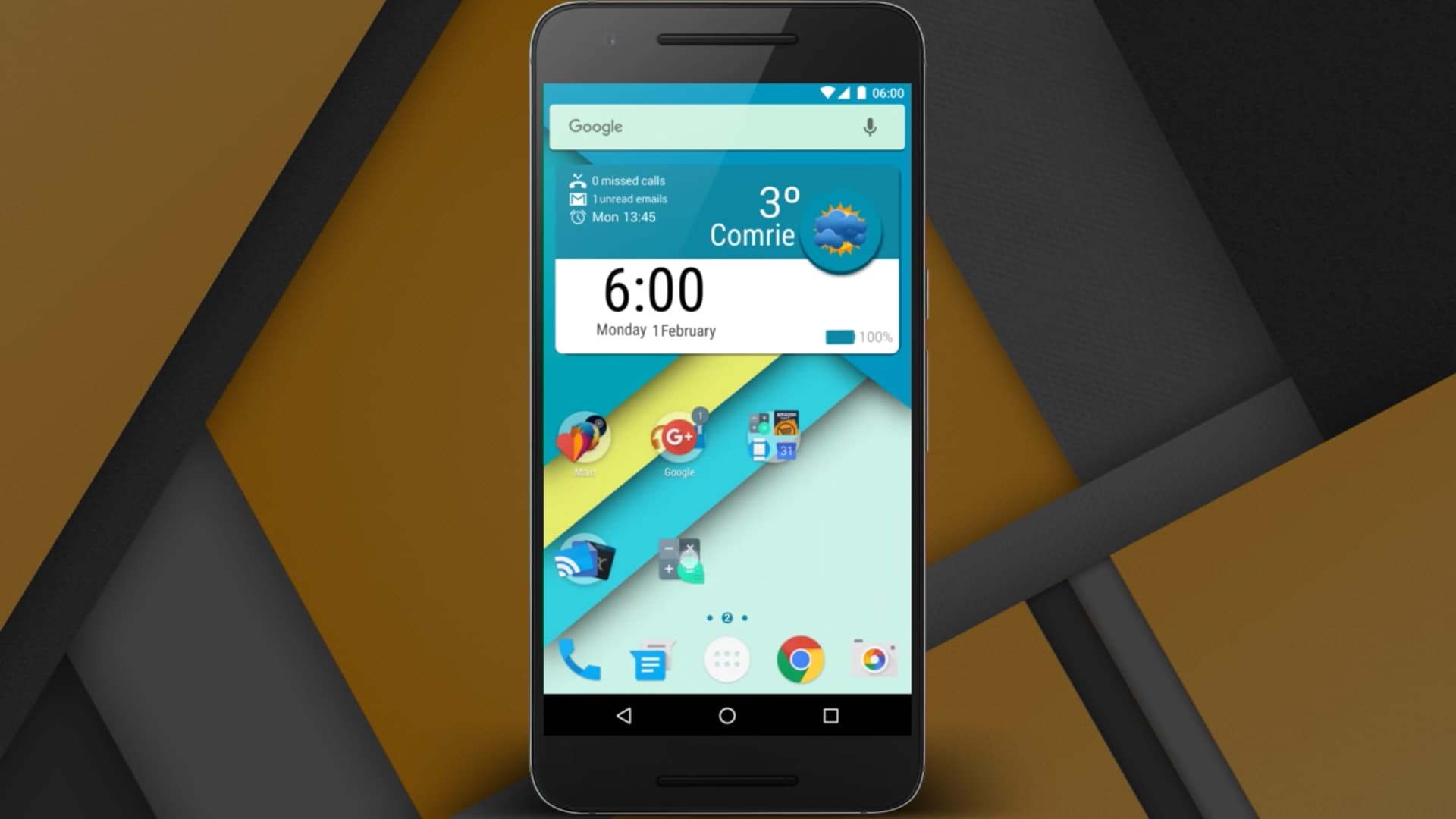
The Android Launcher Graveyard: Five That Deserved a Better Fate
The Android launcher ecosystem is thriving right now. Options like Niagara Launcher, Lawnchair, Kvaesitso, and Octopi Launcher are pushing the boundaries of what a home screen can be, each carving out a distinct niche for different types of users. Whether you want a search-first experience, a stripped-down aesthetic, or fluid multi-screen support, there is almost certainly a launcher built with you in mind.
But Android's launcher history is littered with casualties. Some of the most innovative and beloved home screen replacements the platform has ever seen simply vanished — abandoned by developers, swallowed by acquisitions, or quietly sunset without ceremony. For longtime Android enthusiasts, these losses still sting. Here are five abandoned Android launchers that genuinely deserved to live on.
1. Google Now Launcher
Before Google's Pixel line became the gold standard for a clean Android experience, the Google Now Launcher gave any Android user a taste of pure Google. Launched in 2014, it brought the Google Now feed directly to the leftmost home screen panel — a swipe away from your apps and widgets at all times.
At its peak, this launcher was the fastest way to get contextual information without lifting a finger. Weather, sports scores, package tracking, flight updates, and traffic alerts all surfaced automatically based on your habits and calendar. It was genuinely magical for its time.
Google discontinued the launcher in 2017, folding its features into the Pixel Launcher and later Google Feed. But something was lost in that transition. The Google Now Launcher worked on virtually any Android device, democratizing a premium experience. Once Google moved on, millions of non-Pixel users were left behind. Today's alternatives have never quite replicated that frictionless, on-device intelligence in such an accessible package.
2. Apex Launcher
For years, Apex Launcher sat alongside Nova Launcher at the very top of the Android home screen hierarchy. It offered deep customization, smooth performance, and a level of polish that felt genuinely premium. Gesture support, scrollable dock, drawer groups, and icon themes all came together to create an experience that felt tailored rather than generic.
The trouble started when the app cycled through multiple ownership changes. Development slowed to a crawl, updates became infrequent, and the once-celebrated launcher began to feel outdated against a new generation of competitors. What had once been a powerhouse slowly became a ghost of itself.
Apex Launcher's decline is a cautionary tale about what happens when momentum stalls in the fast-moving Android ecosystem. The features it pioneered are now table stakes for any serious launcher. But for those who used it in its heyday, nothing quite captured that same balance of power and simplicity.
3. Yahoo Aviate Launcher
If any launcher on this list was truly ahead of its time, it was Yahoo Aviate. Acquired by Yahoo in 2014, Aviate introduced a concept that feels remarkably prescient even by today's standards: a context-aware home screen that automatically reorganized itself based on time, location, and activity.
At home, it would show one set of apps. At the gym, another. During work hours, your productivity tools moved to the front. The launcher essentially tried to think for you — and it did so with a clean, card-based interface that felt years ahead of the competition.
Yahoo discontinued Aviate in 2017 as part of its broader collapse before the Verizon acquisition. The contextual home screen concept largely died with it. Attempts by other developers to revive similar ideas have never achieved the same seamless execution. Given how central AI-driven personalization has become to smartphones in 2024, Aviate's core idea looks more visionary now than it probably did at the time.
4. Action Launcher
Action Launcher was a constant innovator throughout its active years. It introduced Quickdrawer, a slide-out app drawer accessible from anywhere on the screen. It pioneered Cover shortcuts, which let you peek at widget content by long-pressing an app icon. It also offered Quicktheme, which could extract colors from your wallpaper to generate a matching UI — years before Android itself made this a system feature with Material You.
After developer Chris Lacy sold the app to Shoreline Labs, updates became sparse and the launcher gradually faded from relevance. Many of the ideas it championed eventually found their way into stock Android and competing launchers, which is the bittersweet legacy of a truly forward-thinking product: your best ideas outlive the product itself.
5. EverythingMe Launcher
The EverythingMe Launcher took a radically different approach to home screen organization. Rather than asking users to manually sort apps into folders, it used machine learning to automatically predict which apps you would want based on context and create smart, dynamic folders on its own.
It also featured a predictive search bar and app suggestions that felt genuinely intelligent for their era. EverythingMe was attempting to solve a real problem — app drawer chaos — in a way that required no effort from the user whatsoever.
The launcher was discontinued in 2015, and the team pivoted to enterprise software. The ideas it championed, however, have aged exceptionally well. Predictive app suggestions and smart folders are now features that major phone manufacturers like Samsung and Apple actively tout. EverythingMe simply ran out of runway before the mainstream caught up.
What These Launchers Teach Us About Android Today
Looking back at these five abandoned launchers reveals a consistent pattern: the ideas that made them special were not wrong — they were simply early. Context awareness, AI-driven organization, wallpaper-based theming, and search-first navigation are all central pillars of modern Android in 2024.
The current generation of launchers — Niagara, Kvaesitso, Lawnchair, Octopi, and their peers — benefit from the groundwork these pioneers laid. They also benefit from more mature tooling, more engaged developer communities, and a user base that is better educated about what a launcher can actually do.
Whether any of today's favorites will still be standing in a decade is an open question. The Android launcher space rewards constant evolution, and history shows that even the best can be left behind. For now, the graveyard of great launchers serves as both a tribute and a reminder: innovation on Android has never been the problem. Sustainability has.
- Google Now Launcher — democratized Pixel-like intelligence for all Android devices before being quietly retired in 2017.
- Apex Launcher — once rivaled Nova Launcher in power and polish before ownership changes killed its momentum.
- Yahoo Aviate — pioneered context-aware home screens years before AI personalization became mainstream.
- Action Launcher — introduced features like wallpaper-based theming that Android itself eventually adopted.
- EverythingMe — used machine learning to organize apps automatically, long before smart folders were considered standard.