
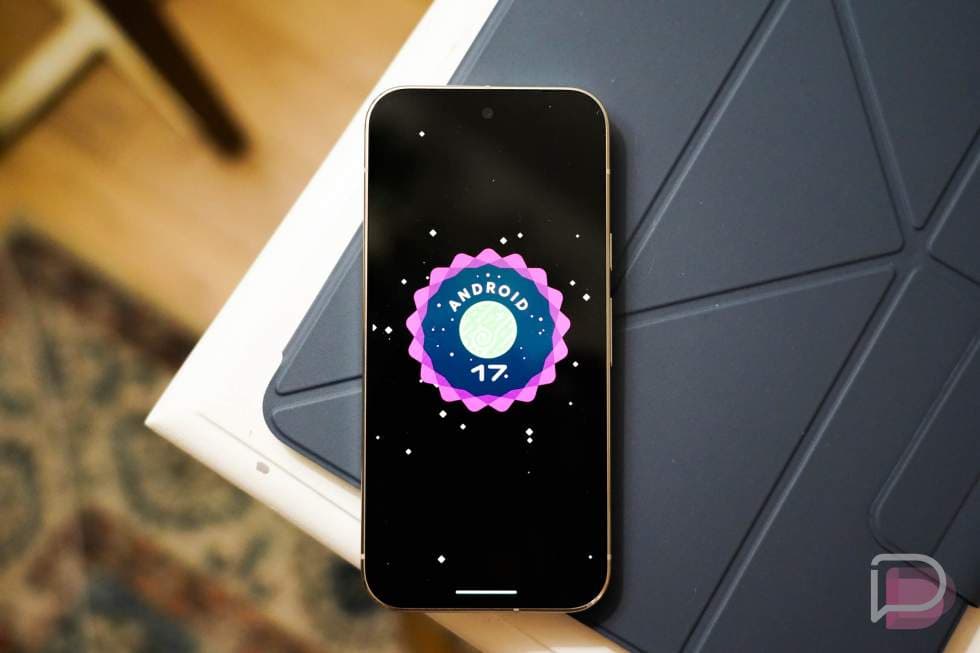
Android 17 Is Out — But Are Pixel Owners Actually Impressed?
Google's Android 17 has officially landed on Pixel devices, and with it comes a wave of user reactions that paint a surprisingly mixed picture. After canvassing Pixel owners for their honest, real-world impressions of the update, the results are in — and while there are some genuine bright spots, many users are left wondering whether Android 17 truly moves the needle in any meaningful way.
If you've been sitting on the fence about hitting that "Install" button, or you're simply curious whether the update lives up to Google's promises, here's a comprehensive breakdown of what everyday Pixel users are actually experiencing after upgrading to Android 17.
What Is Android 17 and What Does It Promise?
Android 17 is Google's latest major operating system release, rolled out to compatible Pixel phones alongside the June Pixel Feature Drop. Together, these two updates carry a substantial changelog — covering everything from under-the-hood performance tweaks and security improvements to more visible changes in how the interface behaves and how the system manages resources like battery and memory.
On paper, the update looks robust. Google has outlined a variety of enhancements, and the accompanying June Pixel Feature Drop adds additional device-specific capabilities that Pixel users have come to expect from Google's regular monthly drops. However, as is often the case with major OS updates, the gap between patch notes and lived experience can be significant.
The Battery Life Question: Some Win, Many Don't Notice
If there's one area where Android 17 has generated some genuine excitement among Pixel owners, it's battery performance. A notable portion of users who upgraded report seeing tangible improvements in how long their devices last between charges. For those users, Android 17 appears to have meaningfully improved power efficiency — a welcome result given that battery life remains one of the most commonly cited pain points among Android users in general.
However, the optimism stops there for a large segment of the user base. A significant number of Pixel owners report that, despite installing the full Android 17 update and the associated June Pixel Feature Drop, they haven't noticed any real difference in day-to-day performance, battery behavior, or overall user experience. For these users, the update feels more like a routine maintenance patch than a transformative upgrade.
This kind of split reaction is not unusual for major OS updates, but it does highlight an important reality: software updates do not always affect all devices equally. Variables like device model, installed apps, usage habits, and even regional network conditions can all influence whether a given user perceives a meaningful change after updating.
Diving Into the Full Changelog: Features Users May Be Missing
One possible explanation for the underwhelming sentiment among many users is that the most impactful changes in Android 17 are happening behind the scenes. Under-the-hood improvements — things like memory management optimization, background process handling, and security hardening — rarely produce the kind of "wow" moments that immediately catch a user's attention. Yet these changes often form the backbone of a more stable and efficient Android experience over time.
Here are some areas covered in the Android 17 and June Pixel Feature Drop changelogs that users may not immediately notice but that can make a genuine difference with extended use:
- System stability improvements: Fixes targeting background crashes and app freezes that users may not consciously attribute to OS behavior.
- Security patches: Monthly and cumulative security updates that protect devices from newly discovered vulnerabilities — critical, even if invisible in daily use.
- Battery optimization refinements: Adjustments to how Android handles background processes and app wakeups, which can gradually improve battery endurance for many users.
- Pixel-exclusive features: Camera improvements, UI tweaks, and AI-powered features added through the June Pixel Feature Drop that may require deliberate exploration to discover.
- Connectivity and performance tuning: Network handling improvements that may benefit users in specific usage scenarios, such as faster app loading or improved call quality.
The takeaway here is that if you're expecting Android 17 to feel dramatically different the moment your phone reboots, you may be disappointed. But dismissing the update entirely because it doesn't look flashy on the surface would be a mistake.
Why User Reactions to Major Android Updates Are Always Mixed
The reaction to Android 17 from the Pixel community is emblematic of a broader trend that plays out with virtually every major OS release across both Android and iOS. Early adopters who track change logs closely tend to have more nuanced perspectives on what changed and why. Casual users, on the other hand, tend to judge updates by whether they notice anything different within the first day or two.
This creates an inherent disconnect. A security patch that quietly closes a critical vulnerability is immensely valuable but produces zero visible effect for the average user. Similarly, an optimization that prevents a background service from waking the CPU unnecessarily may add an extra twenty minutes to daily battery life — but it's not the kind of thing users immediately recognize and celebrate.
Should You Install Android 17 on Your Pixel?
The short answer is yes. Regardless of whether Android 17 delivers a visually transformative experience, keeping your device updated remains one of the most important steps you can take for its security and long-term performance. Major OS updates routinely carry critical security patches that protect your device and personal data from emerging threats.
For Pixel owners specifically, Android 17 paired with the June Pixel Feature Drop represents the most current and complete software environment Google supports for your hardware. Running an outdated version of Android — even if it feels perfectly fine — leaves your device more exposed than necessary.
If you haven't yet updated, head into your Settings, navigate to System, and check for the latest update. And if you install it and find yourself in the camp that doesn't notice much difference right away, give it a week. Some of the best improvements in a major update only reveal themselves gradually, in the form of fewer crashes, longer battery days, and a device that simply feels a little more reliable over time.
The Verdict from the Pixel Community
Android 17 has landed with a reception that feels very much in keeping with the current state of mobile OS updates: technically solid, meaningfully improving in specific areas like battery life for some users, but lacking the kind of headline-grabbing features that generate widespread excitement. Pixel owners are a discerning group, and their measured responses to this update reflect both an appreciation for the improvements that are there and an honest acknowledgment that the experience has not been universally transformative.
Whether Android 17 earns a place in your personal highlight reel or quietly fades into the background of your device's update history, one thing is clear: Google continues to iterate, refine, and push its platform forward — even when the results don't always make the front page.