
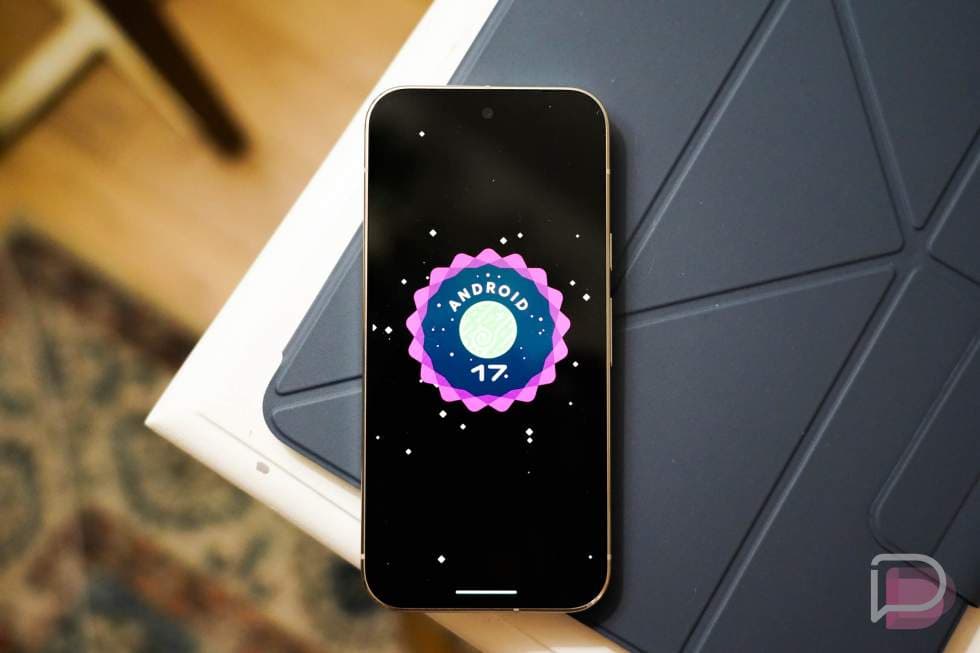
Android 17 Is Out — But Are Pixel Owners Actually Excited?
Google's Android 17 update has officially landed on Pixel devices, bringing with it a detailed changelog and the much-talked-about June Pixel Feature Drop. For weeks, Android enthusiasts had been anticipating this release, hoping for meaningful performance improvements, quality-of-life enhancements, and the kind of under-the-hood refinements that make a flagship operating system feel worth upgrading. But now that the update is live and Pixel owners have had time to sit with it, the question is simple: did it deliver?
Based on early user feedback, the answer is complicated. While a portion of Pixel users are reporting tangible gains — most notably in battery performance — a significant chunk of the community says the update has left them with a collective shrug. The real-world impressions rolling in paint a picture that is far from universally enthusiastic, and for a major Android release, that's worth examining closely.
Battery Life: The One Bright Spot in Android 17 Feedback
If there is one area where Android 17 appears to be earning genuine praise, it's battery life. A notable number of Pixel owners have come forward saying that since upgrading to Android 17, their devices are lasting measurably longer on a single charge. For daily users who have long complained about Pixel battery performance trailing behind competitors, this is welcome news.
Better battery optimization has been a recurring theme in major Android updates over the past few years, and if Android 17 is genuinely delivering on that front for at least a subset of users, that's a meaningful win. Battery longevity remains one of the top concerns for smartphone users globally, and any OS-level improvement in that department tends to resonate far more with everyday users than new UI features or hidden developer settings.
That said, battery life improvements are notoriously difficult to attribute definitively to a single update. Usage patterns, background app behavior, screen-on time, and network conditions all play a role. Still, when multiple independent users across different Pixel models report the same improvement shortly after the same update, the correlation is hard to dismiss.
Many Users Simply Aren't Noticing a Difference
For every Pixel owner celebrating better battery life, there seems to be another who is struggling to identify what, if anything, has changed. This group isn't complaining about bugs or performance regressions — they're simply reporting that Android 17 feels more or less identical to what came before it. The phone looks the same, behaves the same, and performs the same.
This reaction might seem puzzling given that Android 17 shipped with a full, documented changelog alongside a dedicated June Pixel Feature Drop packed with new capabilities. But this disconnect between what an update contains on paper and what users perceive in practice is a familiar phenomenon in the smartphone world. Many of the most impactful changes in a major OS update are invisible by design — security patches, memory management improvements, radio firmware tweaks, and background process handling rarely announce themselves to users.
Still, perception matters. When users don't feel the difference, excitement fades and updates start to feel routine rather than meaningful. For a platform like Android, which relies heavily on developer and enthusiast community momentum, that kind of muted reception can be a warning sign.
What the June Pixel Feature Drop Actually Includes
Part of the Android 17 rollout was accompanied by Google's June Pixel Feature Drop, which has become a regular tradition of delivering new software features specifically to Pixel device owners. These drops have historically introduced things like new camera capabilities, AI-powered tools, accessibility enhancements, and integration improvements with other Google services.
The fact that many users aren't noticing these additions could suggest a few things. It may be that the features being introduced don't align closely enough with how everyday users actually use their phones. It could also indicate that the features require deliberate discovery — they don't surface automatically in the normal flow of using the device. Google has occasionally been criticized for burying useful features in settings menus or failing to surface them prominently after an update.
Why User Reactions to Major OS Updates Often Disappoint
The mixed response to Android 17 isn't unique to this release. Major operating system updates across both Android and iOS have a long history of generating reactions that range from cautious optimism to outright indifference. There are a few structural reasons for this.
- The maturity problem: Modern mobile operating systems are extraordinarily refined. There are fewer dramatic improvements left to make, which means each update looks smaller relative to earlier ones.
- Feature fragmentation: Many high-profile Android features roll out gradually or require specific hardware, meaning large portions of the user base never experience the advertised headline features.
- Rising expectations: With each major version number, users expect something transformative. When the update feels evolutionary rather than revolutionary, disappointment follows even when the technical improvements are substantial.
- The gap between changelogs and lived experience: A changelog can list dozens of improvements, but if none of them visibly affect how you use your phone on a Tuesday afternoon, the update will feel underwhelming regardless of its technical merits.
Should Pixel Owners Still Upgrade to Android 17?
Despite the lukewarm community reception, the answer to that question is almost certainly yes. Security patches alone make major Android updates worth installing promptly, and the potential battery life gains reported by many users represent a meaningful quality-of-life improvement. The fact that some users aren't noticing changes doesn't mean the changes aren't there — it often just means those changes are working quietly in the background, which is exactly where the most important software work happens.
If you're a Pixel owner who has updated and found yourself underwhelmed, it may be worth giving Android 17 a few more days of regular use before drawing conclusions. Battery optimization patterns and system memory management can take time to settle after a major OS update as the system learns your usage habits anew.
The Bottom Line on Android 17
Android 17's real-world reception from the Pixel community tells a story that many longtime Android followers will find familiar: a solid, competent update that delivers genuine improvements in some areas — particularly battery life — while leaving a large segment of users wondering what all the fuss was about. It isn't a disaster by any measure, but it's also not the kind of release that generates organic buzz or sends users rushing to tell their friends to upgrade immediately.
Google's challenge going forward is finding ways to make the visible, experiential side of its OS updates match the technical substance underneath. Until that gap closes, reactions like the ones greeting Android 17 are likely to keep rolling in — politely unimpressed, battery life aside.