
The Era of Affordable Apple Products May Be Coming to an End
For years, Apple has managed a delicate balancing act: keeping its premium products aspirational in price while avoiding the kind of sticker shock that pushes customers toward competitors. That balance is now under serious threat. CEO Tim Cook has publicly acknowledged that Apple cannot absorb rising memory costs indefinitely, and a combination of global tariffs, supply chain pressures, and surging component prices is making significant price hikes on iPhones, Macs, and iPads increasingly inevitable.
If you have been holding off on upgrading your Apple device, the time to act might be sooner rather than later. Here is a deep dive into what is driving Apple toward higher prices, what products are most at risk, and what consumers can realistically expect to pay in the near future.
What Is Driving Apple's Looming Price Increases?
Several major forces are converging at once to squeeze Apple's margins and push the company toward passing costs onto consumers. Understanding these pressures helps explain why price hikes are not just possible — they are practically unavoidable.
Soaring Memory and Component Costs
One of the most significant cost drivers right now is the price of memory chips. DRAM and NAND flash storage, which are essential components in every iPhone, MacBook, and iPad, have seen their prices climb sharply in recent months. Apple's devices are increasingly memory-intensive — the latest iPhones and MacBooks ship with more RAM and faster storage than ever before — which means even a moderate percentage increase in memory costs translates into a meaningful dollar impact per unit.
Tim Cook has been candid about this reality, confirming that Apple has been absorbing these costs to protect its pricing structure for as long as possible. But there is a ceiling to how long any company can sustain that approach without undermining profitability, especially when Wall Street demands consistent margin performance.
Tariffs and Global Trade Uncertainty
Beyond raw component costs, Apple is also wrestling with the impact of tariffs. A significant portion of Apple's manufacturing and assembly takes place in Asia, particularly in China, and ongoing trade tensions between the United States and China have created a challenging cost environment. Even as Apple has worked to diversify its supply chain into countries like India and Vietnam, shifting production at scale takes years, and the financial impact of existing tariff structures continues to weigh on the company.
Tariffs effectively act as a tax on imported goods, and when those taxes rise, companies face a clear choice: absorb the cost, reduce margins, or raise prices. Apple has historically resisted price increases to protect its market position, but the cumulative effect of tariffs layered on top of higher component costs is making that position increasingly difficult to hold.
Currency Fluctuations and International Markets
Apple sells its products globally, and currency fluctuations add another layer of complexity. When the U.S. dollar strengthens relative to currencies in key markets like Europe, Japan, or Australia, Apple's products effectively become more expensive abroad without the company changing its dollar-denominated prices. This dynamic has already led Apple to adjust pricing in international markets, and similar logic could eventually apply domestically if macroeconomic conditions shift further.
Which Apple Products Face the Biggest Price Hikes?
Not all Apple devices face equal exposure to these cost pressures. Here is a look at which product lines are most vulnerable to significant price increases.
iPhone
The iPhone is Apple's most important product by revenue, accounting for roughly half of the company's total sales. It is also one of the most memory-intensive consumer devices on the market. With each new generation packing in more RAM to support advanced AI features and larger camera systems, the cost of components per unit keeps climbing. Analysts have already floated the possibility of a base iPhone 17 starting at $1,099 or higher, with Pro models potentially crossing the $1,299 or even $1,399 threshold — a significant jump from current pricing.
MacBook and Mac
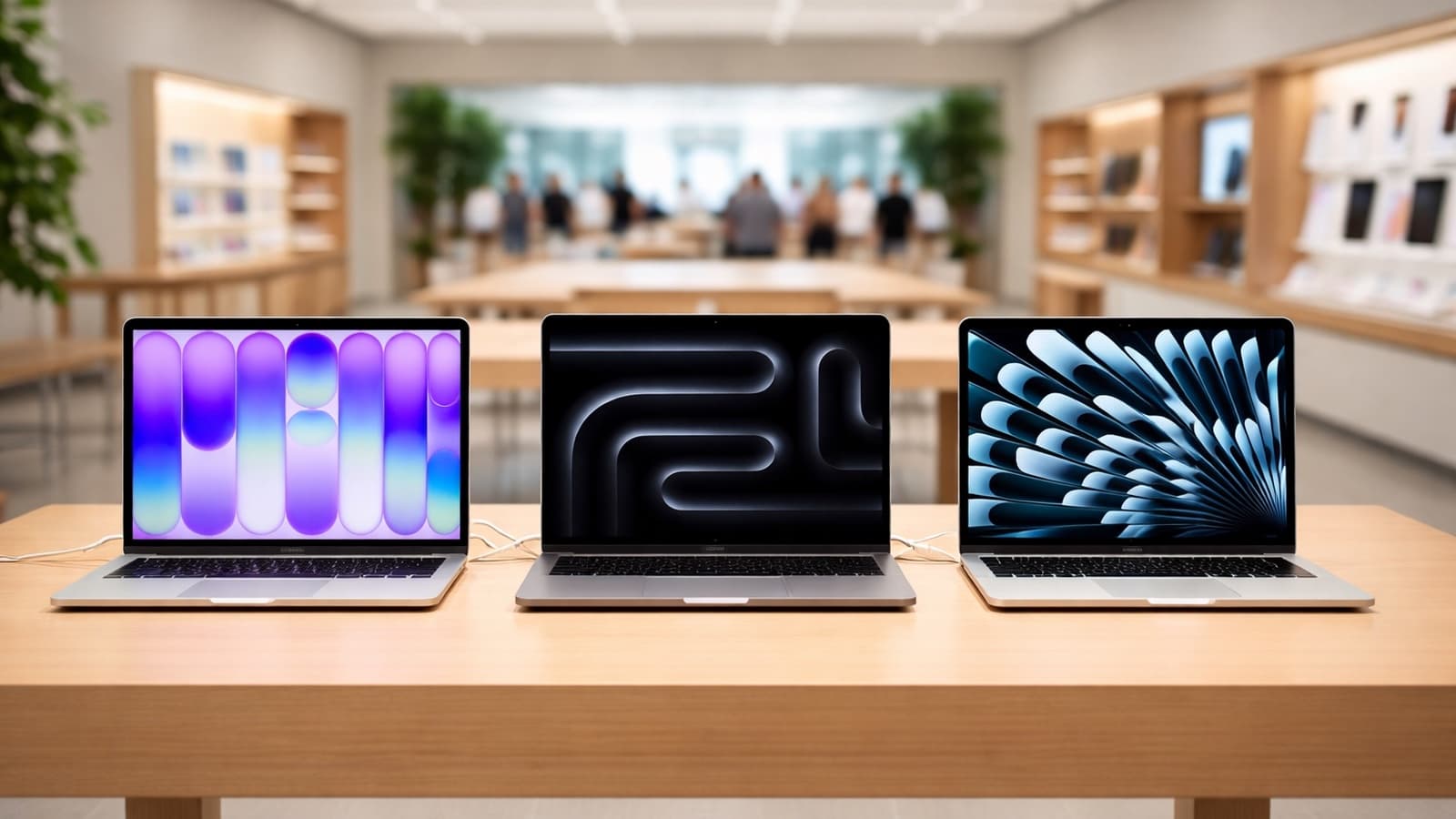
Apple's Mac lineup, powered by its in-house Apple Silicon chips, has been one of the company's great success stories in recent years. However, these chips are manufactured using cutting-edge processes that are expensive to produce, and the MacBooks that house them rely heavily on fast, high-capacity memory modules. Entry-level MacBook Air and MacBook Pro models could see price adjustments, particularly as Apple considers bumping base memory configurations upward to keep pace with AI workload demands.
iPad
The iPad has traditionally been Apple's most price-competitive major product line, often seen as an accessible entry point into the Apple ecosystem. Rising memory costs could erode that affordability, particularly for the iPad Pro, which uses the same chip families as the MacBook Pro and demands comparable storage and RAM.
What Should Apple Customers Do Right Now?
Given the strong signals pointing toward higher prices, consumers and businesses planning Apple purchases have good reason to act sooner rather than later. Buying before a price adjustment locks in today's pricing, while waiting could mean paying meaningfully more for the same hardware. For businesses managing fleets of Apple devices, bulk purchasing now could represent real savings.
It is also worth monitoring Apple's announcements closely. Apple typically updates its product lines in predictable cycles — iPhones in the fall, MacBooks and iPads spread across the year — so timing a purchase just before a new generation launches can sometimes mean discounted pricing on outgoing models even as new, higher-priced versions arrive.
The Bottom Line: Apple's Premium Is Getting Pricier
Apple has always commanded a premium over its competitors, and consumers have generally accepted that trade-off in exchange for hardware quality, software integration, and long-term support. But there is a meaningful difference between a premium and a price shock, and the combination of rising memory costs, tariff pressures, and global supply chain complexity is pushing Apple toward a new pricing reality.
Tim Cook's admission that Apple cannot absorb these costs forever is not just a financial footnote — it is a signal that the Apple products you buy next year may cost noticeably more than the ones you buy today. For loyal Apple users, the message is clear: if an upgrade is on your horizon, sooner may be smarter than later.