
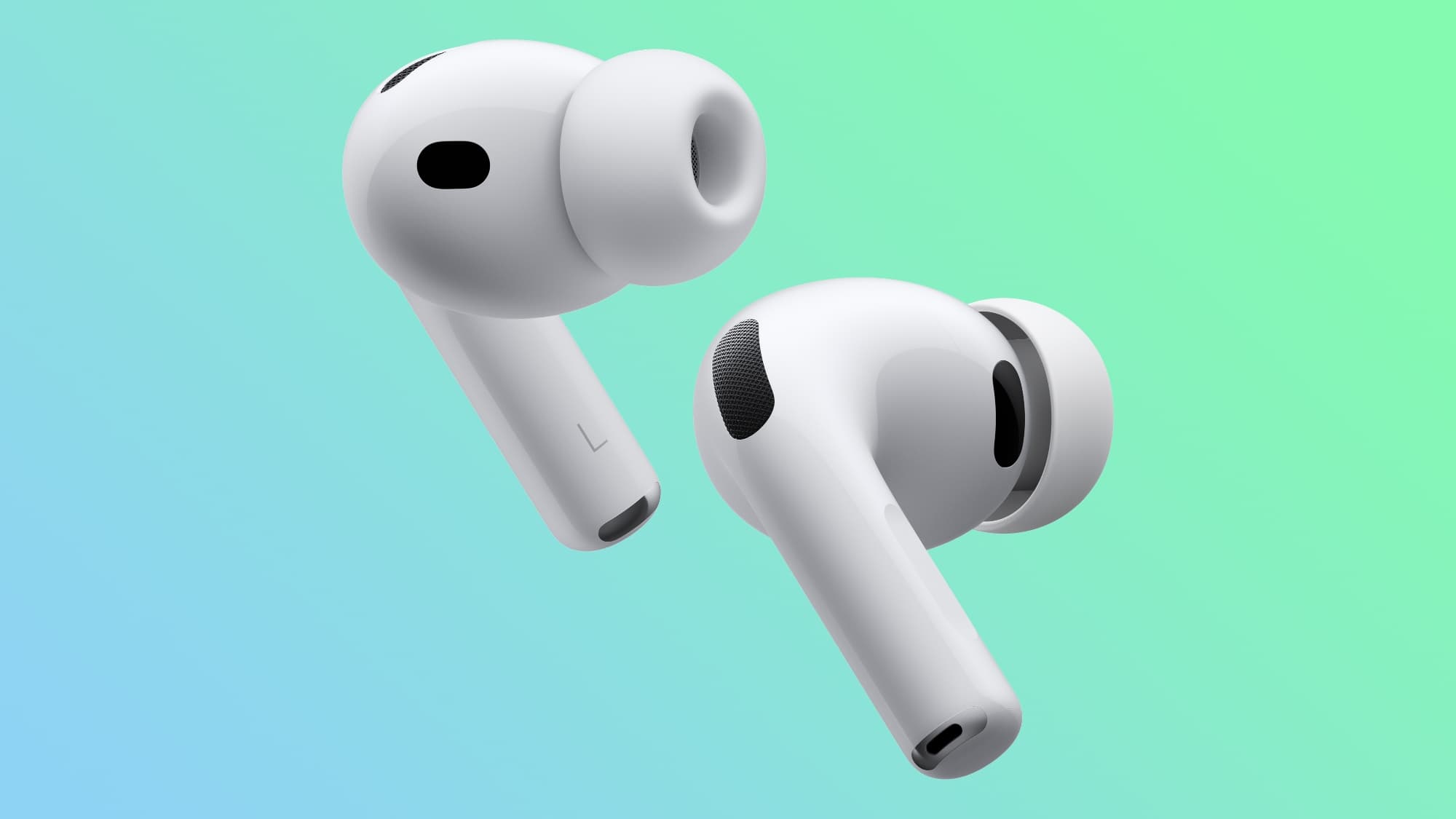
Apple Is Building Its First AI Wearable — And It Lives in Your Ears
Apple has never been a company that rushes into new technology without refining it first. From the original iPhone to the Apple Watch, every major product launch has been preceded by years of quiet engineering and strategic vision. The next big leap appears to be no different. According to reliable industry rumors, Apple is currently developing a groundbreaking new version of its popular earbuds — one that will feature embedded cameras and deep artificial intelligence integration through Siri. Tentatively referred to as the AirPods Ultra, these next-generation earbuds are expected to arrive in late 2027, and they could fundamentally change how people interact with the world around them.
This isn't just a spec bump or a modest upgrade. Camera-equipped AirPods would represent Apple's first true AI wearable, blurring the line between what we hear and what our devices can see and understand on our behalf. Here's a comprehensive breakdown of everything we know so far.
Design: Familiar Form, Futuristic Function
One of the most intriguing aspects of the camera-equipped AirPods is that Apple doesn't appear to be dramatically overhauling the overall aesthetic. According to current rumors, the new earbuds will look largely similar to the existing AirPods Pro 3, maintaining the same general size, silhouette, and comfortable in-ear fit that millions of users are already accustomed to. The charging case is also expected to remain largely unchanged in terms of dimensions and form factor.
The key design difference — and it's a significant one — will be found in the stem. Apple reportedly plans to embed tiny cameras directly into the stem of each earbud. This placement makes intuitive sense from an engineering standpoint, as the stem extends downward from the ear and would provide the cameras with a reasonably unobstructed environmental view, capturing visual data about the wearer's surroundings throughout the day.
Apple is also said to be incorporating an LED indicator light into the design. This light would illuminate whenever the cameras are actively transmitting visual data to the cloud. The purpose is straightforward but important: it allows bystanders and people nearby to know when the cameras are in use. In an era of growing concern over privacy and covert recording, this kind of transparency signal could be a critical design choice that helps Apple navigate public and regulatory scrutiny. It mirrors similar privacy-first thinking seen in products like the Apple Vision Pro, where indicators help communicate device state to others in the environment.
The Camera Technology Behind the AirPods
Apple isn't expected to use conventional RGB cameras in these earbuds. Instead, rumors point to infrared camera technology — specifically the kind of compact infrared sensors Apple has already refined for Face ID on the iPhone. These tiny but capable sensors are adept at reading depth, detecting proximity, and capturing spatial data even in low-light or high-contrast conditions.
Infrared cameras offer several advantages for this use case. They consume less power than traditional cameras, generate less heat, and can be miniaturized to fit within the compact stem of an AirPod without requiring a significant redesign. They also offer a degree of privacy-friendliness compared to full-color video capture, as they're not recording cinema-quality footage of everything in front of the wearer — they're gathering environmental and spatial data to feed into an AI system.
This data will be processed and sent to Siri, either on-device or via the cloud depending on the complexity of the task at hand, allowing Apple's voice assistant to develop a much richer understanding of the user's physical context.
Features: What Siri Will Be Able to Do
The real story here isn't the cameras themselves — it's what those cameras enable. By feeding real-time visual data to Siri, Apple is positioning its voice assistant to become far more contextually aware and genuinely useful in everyday situations. Currently, Siri responds to voice commands with information pulled from the internet or your device. With camera-equipped AirPods, Siri will be able to see what you see and respond accordingly.
- Object and environment recognition: Siri will be able to answer questions about objects or items in the wearer's immediate environment. Point your body toward a product on a store shelf and ask Siri what it is, whether it has good reviews, or how much it costs elsewhere — and Siri will know.
- Enhanced navigation: One of the most practical applications is improved turn-by-turn walking directions. Rather than relying solely on GPS coordinates, Siri will be able to reference visual landmarks in real time, offering more precise and intuitive guidance — particularly useful in dense urban environments where GPS signal can be unreliable.
- Contextual awareness: By continuously understanding what's around the wearer, Siri will be able to proactively offer relevant information, reminders, or suggestions based on physical context rather than just calendar data or location pings.
- Accessibility features: Camera-assisted audio descriptions for people with visual impairments could be a transformative accessibility application, helping users understand their environments more fully through sound.
Why This Matters for the Future of AI Wearables
Apple entering the AI wearable space through AirPods is a strategically brilliant move. Earbuds are already one of the most widely adopted wearable categories on the planet, and AirPods in particular enjoy a massive, loyal user base. By evolving a product people already wear daily into an intelligent environmental sensor, Apple doesn't need to convince users to adopt an entirely new gadget — it simply upgrades the one already in their ears.
This approach stands in contrast to competitors who have attempted to introduce standalone AI glasses or camera-equipped headbands as new product categories requiring behavioral change. Apple's method is more frictionless and, if executed well, could drive rapid mainstream adoption of AI wearable technology in a way that previous attempts have not.
Expected Release Date and What Comes Next
Current rumors suggest Apple is targeting a late 2027 release for the camera-equipped AirPods Ultra. That timeline gives Apple several years to continue refining the infrared camera technology, miniaturizing the necessary components, and — critically — developing the Siri AI capabilities that will make the hardware meaningful. A camera in an earbud is only as useful as the intelligence interpreting what it sees.
As we get closer to 2027, we can expect a steady stream of leaks, supply chain reports, and regulatory filings that will paint a clearer picture of the final product. For now, what's clear is that Apple has a compelling vision: earbuds that don't just play music or take calls, but that actively help you navigate, understand, and engage with the world. The era of truly intelligent wearables may be closer than we think — and it may begin with something already sitting on millions of bedside tables tonight.