
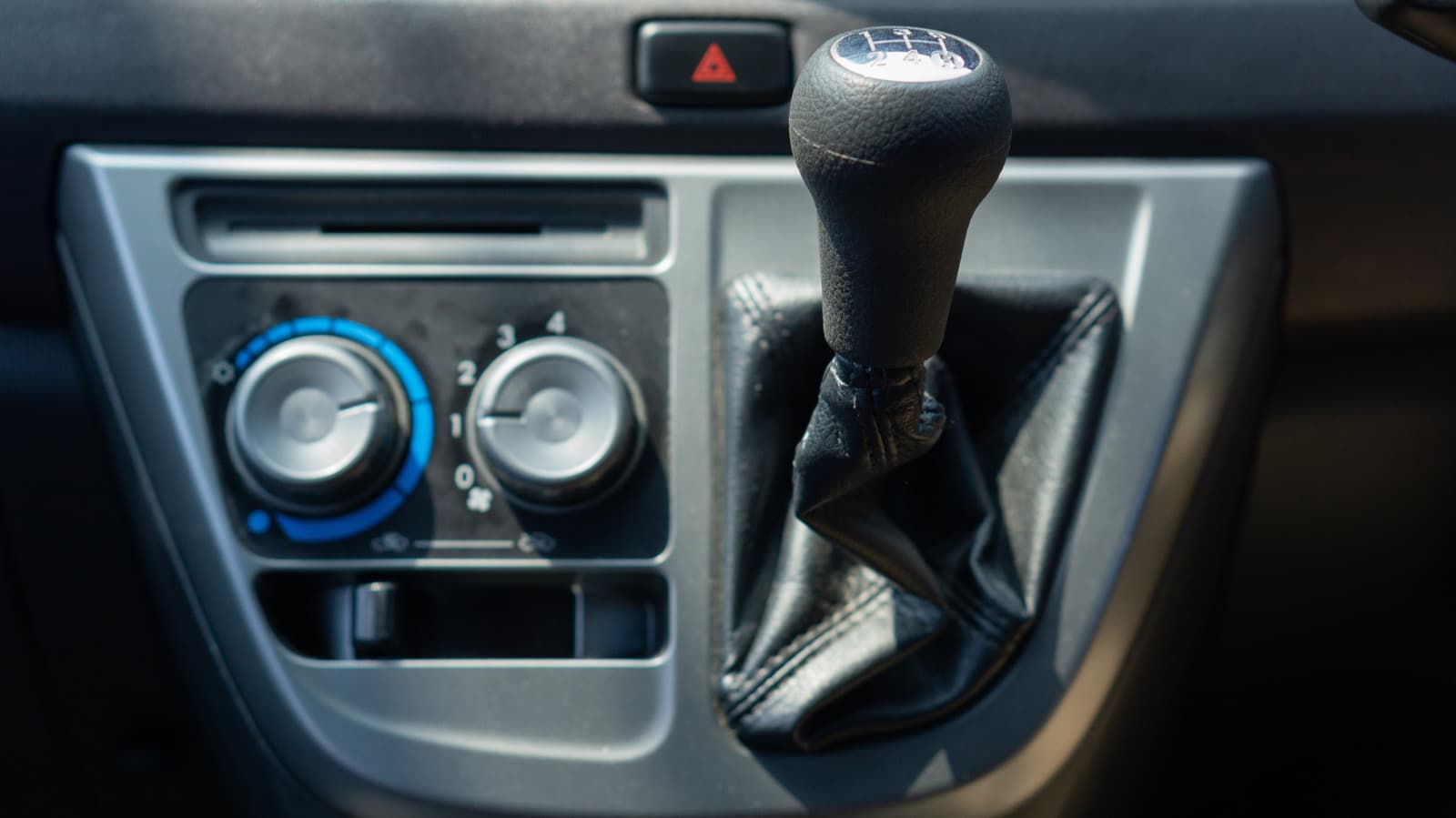
4 Common Problems With Gear Shifters (And What To Do About Them)
Your car's gear shifter is one of those components you use every single time you drive, yet it rarely gets any attention until something goes wrong. Whether you're driving a manual stick shift or a modern automatic with a console-mounted selector, the gear shifter is a critical interface between you and your vehicle's transmission. When it starts to misbehave, the consequences can range from mildly annoying to outright dangerous. Understanding the most common gear shifter problems — and what causes them — can save you time, money, and a potentially stressful breakdown on the side of the road.
Why Gear Shifter Problems Deserve Your Attention
A faulty gear shifter doesn't just make driving uncomfortable. In more serious cases, it can leave you unable to shift into park, prevent your car from starting, or cause unexpected gear changes while you're in motion. Transmission-related repairs are among the most expensive a car owner can face, which makes early diagnosis especially valuable. Many gear shifter issues, however, stem from relatively minor causes that are easy to address if caught in time.
Below, we break down four of the most common gear shifter problems, what typically causes them, and what your next steps should be.
1. A Gear Shifter That Won't Move or Feels Stuck
One of the most alarming experiences for any driver is sitting in your car, pressing the brake, and finding that the gear shifter simply won't budge from its current position. This problem is especially common in automatic vehicles and is often related to the shift interlock system — a safety mechanism designed to prevent you from accidentally shifting out of park without the brake pedal depressed.
When the shift interlock solenoid fails or its associated electrical circuit develops a fault, the system can lock the shifter in place even when you're pressing the brake correctly. A low or dead battery can also trigger this problem, since the solenoid requires electrical power to release. In some cases, worn brake light switches are the culprit — if the car doesn't detect that the brake is pressed, the interlock never disengages.
Most vehicles have a manual shift lock override — typically a small slot near the shifter that accepts a key or small tool — which can be used in an emergency to release the shifter. However, this is a temporary fix, and a mechanic should inspect the solenoid, brake light switch, and related wiring as soon as possible.
2. Difficulty Shifting Gears or a Grinding Sensation
If you're driving a manual transmission vehicle and notice that shifting between gears has become stiff, resistant, or accompanied by a grinding noise, your clutch is likely the first thing to investigate. A worn or improperly adjusted clutch may not fully disengage when you press the pedal, making clean gear changes difficult and causing that characteristic grinding as the transmission's gear teeth clash.
However, the issue isn't always the clutch itself. Low or contaminated transmission fluid can increase friction inside the gearbox, making gear changes noticeably harder and louder. Synchronizers — the components inside a manual transmission that match gear speeds before engagement — also wear over time and are a common source of grinding when shifting into specific gears like second or third.
For automatic transmission drivers, difficulty shifting or unexpected hesitation between gears often points to low transmission fluid, a failing shift solenoid, or a transmission control module that needs attention. In either case, ignoring grinding or resistance during gear changes typically accelerates internal wear and leads to far more expensive repairs down the line.
3. Loose or Sloppy Gear Shifter Feel
A gear shifter that feels unusually loose, wobbly, or imprecise is a sign that something has worn out or come loose in the linkage system that connects the shifter to the transmission. In manual vehicles, this linkage is either a set of mechanical rods and bushings or a cable-based system. Over time, bushings wear down and cables stretch, introducing slop into the shifter's movement that makes it harder to confidently select the correct gear.
In automatic vehicles, a loose shifter can sometimes allow the car to be placed in an ambiguous position between gears — which can be genuinely dangerous. If the selector isn't firmly in park, for instance, the vehicle may roll. A shifter that rattles over bumps or has excessive play at its base should be inspected promptly. In many cases, replacing worn bushings or a stretched shifter cable is a straightforward and affordable repair.
4. The Gear Shifter Gets Stuck in Park
Closely related to a stuck shifter but worth addressing separately, getting stuck specifically in park is one of the most common automatic transmission complaints. Beyond the shift interlock issues mentioned earlier, this problem can also be caused by a broken or stretched shift cable, a damaged park pawl inside the transmission, or even parking on a steep incline without using the parking brake — which places excessive pressure on the park pawl and makes disengagement difficult.
Always use your parking brake in addition to putting the car in park, particularly on hills. This simple habit distributes the holding force between the brake and the transmission, reducing wear on the park pawl considerably.
When To See a Professional
Some gear shifter issues — like a simple shift interlock override or checking fluid levels — are things you can handle yourself with basic knowledge. But grinding noises, persistent stiffness, a consistently loose shifter, or any problem that makes it difficult to reliably select a gear all warrant a visit to a qualified mechanic or transmission specialist. Transmission repairs only get more expensive the longer they're delayed, and many of these problems give you plenty of warning before they become critical.
Staying attentive to how your gear shifter feels and sounds during everyday driving is one of the simplest — and most underrated — forms of car maintenance you can practice.