
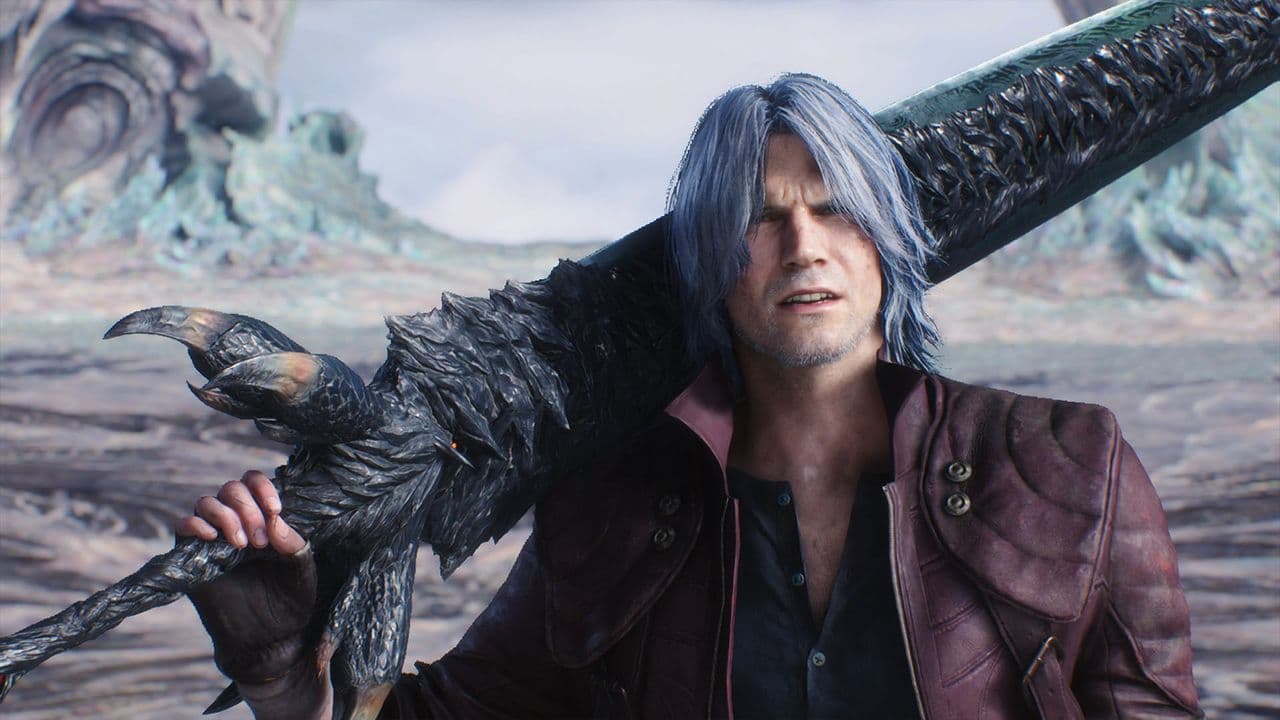
Devil May Cry 5 on Switch 2: Capcom Is Setting the Gold Standard for Ports
When Nintendo unveiled the Switch 2, one of the biggest questions on every gamer's mind was simple: how well would demanding, visually intensive titles make the jump to the new hardware? With Devil May Cry 5's arrival on Nintendo Switch 2, that question has been answered with style — and with more than a little demon-slaying swagger. Once again, Capcom has stepped up and delivered a port that doesn't just meet expectations but confidently exceeds them, reinforcing the Japanese publisher's growing reputation as the definitive master of bringing powerhouse games to new platforms.
Why Devil May Cry 5 Is Such an Impressive Achievement on Switch 2
Devil May Cry 5 is not a light lift. Originally released in 2019 for PC, PlayStation 4, and Xbox One — and later upgraded for the PlayStation 5 and Xbox Series X|S — the game is built on Capcom's proprietary RE Engine, a technically demanding piece of software designed to push hardware to its limits. The Special Edition alone introduced ray tracing, 120fps gameplay modes, and visuals that made it a genuine showcase title for current-generation machines.
Bringing all of that to the Switch 2 could have been a disaster in less capable hands. Instead, Capcom has managed to deliver a version of Devil May Cry 5 that retains the fluid, high-speed combat the series is famous for, keeps the frame rate consistent, and preserves enough of the visual fidelity to make Nero, Dante, and V look every bit as stylish as they do on more powerful machines. The result is a portable version of one of the best action games of the last decade — and it runs beautifully.
Capcom's Porting Pedigree: A Track Record That Speaks for Itself
This success doesn't exist in a vacuum. Capcom has been on an extraordinary run with ports in recent years, and the Switch 2 has quickly become a showcase for that expertise. The company's deep familiarity with the RE Engine has allowed its teams to optimize titles more efficiently than many rivals, finding the right balance between performance and visual quality on whatever hardware they're targeting.
Consider the broader picture of what Capcom has accomplished in the porting space:
- Resident Evil Village famously made it to the original Nintendo Switch in a form that genuinely surprised players with its quality, using cloud streaming to get around hardware limitations in a creative way.
- Monster Hunter Rise launched as a Switch exclusive and was subsequently ported to PC and consoles with equal care and attention, showing the studio could work in both directions.
- Resident Evil 2 and 3 Remakes have seen successful ports across multiple platforms, each time demonstrating that Capcom's internal teams understand how to scale their technology without gutting the experience.
- Street Fighter 6 arrived on Switch 2 as a confident, feature-complete release that made a strong case for the new hardware as a serious fighting game destination.
Devil May Cry 5 is the latest entry in this growing library, and it may be the most technically impressive yet given the sheer visual and performance demands of the source material.
What Makes Capcom Different From Other Publishers?
It's worth asking why Capcom keeps succeeding where others stumble. The answer lies in a combination of proprietary technology, institutional discipline, and a willingness to invest the time and resources needed to do ports properly rather than rushing them out the door.
The RE Engine, which Capcom has used across the majority of its biggest releases since Resident Evil 7 in 2017, is built with scalability in mind. This gives Capcom a significant technical advantage: its developers can tune the engine's output across a wide range of hardware specifications without having to fundamentally rebuild a game from the ground up. Where third-party porting studios sometimes struggle because they're working with codebases they didn't build, Capcom's internal teams are intimately familiar with every layer of their own technology.
Beyond the technical side, there's also a cultural element. Capcom has embraced the idea that a port is not a lesser product — it's an extension of a game's life and an opportunity to reach a new audience. That philosophy shows in the final product every time.
What This Means for Switch 2 Owners
For players who chose the Switch 2 as their primary gaming platform, Capcom's commitment to the hardware is genuinely exciting news. Devil May Cry 5 joining the Switch 2 library means that one of the most celebrated character action games in recent memory is now fully playable in handheld mode, without significant compromise. Whether you're revisiting the game or experiencing it for the first time, this is the definitive portable version of a landmark title.
More broadly, Capcom's consistent quality sends a message to other publishers: the Switch 2 is powerful enough to handle serious, demanding software when developers put in the work. Every successful Capcom port raises the bar and challenges competitors to match that standard.
The Bigger Picture: Capcom and the Future of Multiplatform Gaming
As the gaming industry continues to navigate an era of fragmented hardware ecosystems, the ability to bring a game to multiple platforms without losing its essential character is increasingly valuable. Capcom has quietly turned this skill into one of its defining competitive advantages. With Devil May Cry 5 now standing as yet another example of what thoughtful, technically proficient porting looks like, the publisher's place at the top of that particular pecking order feels more secure than ever.
Dante would probably say he's got more style than anyone else in the business. Looking at Capcom's Switch 2 output, it's hard to argue with him.