
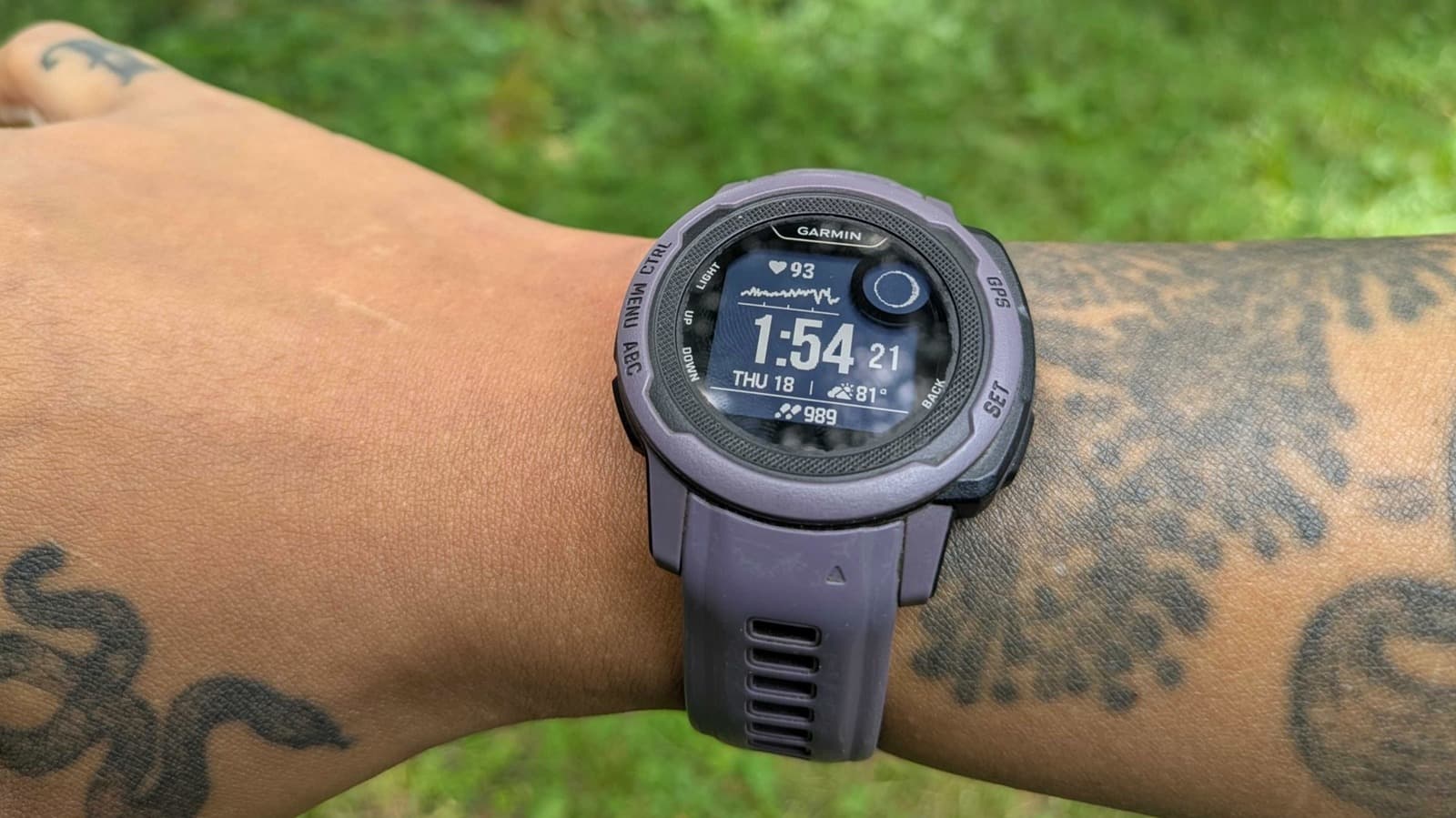
Do Fitness Trackers Still Work If You Have Tattoos?
If you're tattooed and love tracking your workouts, you've probably noticed something odd: your heart rate readings seem off, your step count looks strange, or your sleep data feels completely unreliable. You're not imagining it. Tattoos can genuinely interfere with how fitness trackers collect data — but the relationship between ink and wearable technology is more nuanced than a simple yes or no. The short answer is: sometimes, but it's complicated.
Let's break down exactly what's happening under your skin, why certain tattoos cause more problems than others, and what you can do to get the most accurate readings possible from your device.
How Fitness Trackers Actually Read Your Body
To understand the problem, you first need to know how most modern fitness trackers collect biometric data. The majority of wearables — including popular devices from Apple, Fitbit, Garmin, and Samsung — use a technology called photoplethysmography, or PPG for short. It sounds complicated, but the concept is surprisingly straightforward.
PPG sensors work by shining green (and sometimes red or infrared) light into your skin. Blood absorbs green light very efficiently, so as your heart pumps blood through the vessels beneath your wrist, the amount of light reflected back to the sensor changes in a rhythmic pattern. The sensor reads those subtle fluctuations and translates them into your heart rate. The same basic principle is used to track blood oxygen levels and, in more advanced devices, stress levels and even respiratory rate.
This system works beautifully on clear, unpigmented skin. But introduce a layer of tattoo ink between the sensor and your blood vessels, and things start to go wrong.
Why Tattoo Ink Disrupts Optical Sensors
Tattoo ink sits in the dermis, the layer of skin just below the outer surface. When a fitness tracker's light beams hit your wrist, they have to pass through that ink before they can reach your blood vessels. Depending on the color, density, and placement of your tattoo, the ink can absorb, scatter, or block the light in ways that confuse the sensor entirely.
Not all tattoos are equally problematic. Research and widespread user reports suggest the following patterns:
- Dark colors are the worst offenders. Black and dark blue tattoo ink absorbs green light aggressively — the same light the sensor relies on. This can make the sensor essentially blind, leading to wildly inaccurate or completely missing heart rate data.
- Red ink creates a specific conflict. Because red absorbs green wavelengths particularly well, red tattoos can be just as disruptive as dark ones, sometimes more so.
- Light-colored and white ink tends to cause fewer issues. These pigments are less likely to interfere with light absorption to the same degree, though they are not entirely without effect.
- Dense, solid-fill tattoos are more problematic than line work. A tattoo with heavy shading or large solid blocks of color blocks more light than one with fine lines and open negative space.
- Tattoo placement on the wrist matters enormously. If your tattoo covers the exact area where the sensor sits on the underside of your wrist, interference will be significant. Tattoos on the top of the wrist or further up the forearm may have little to no effect.
Which Fitness Metrics Are Most Affected?
Heart rate monitoring is the most commonly disrupted function, since it depends entirely on the PPG sensor's ability to read blood flow accurately. But the ripple effects go further than just your beats per minute.
Calorie burn estimates rely heavily on heart rate data, so if your heart rate is being misread, your calorie calculations will be off too. Sleep tracking, which uses a combination of movement detection and heart rate variability, can also be compromised. Blood oxygen (SpO2) monitoring, a feature on many newer devices, uses red and infrared light in addition to green — and while it has slightly different interactions with tattoo ink, dark pigments can still disrupt readings here as well.
Step counting and GPS tracking, on the other hand, do not rely on optical sensors and are generally unaffected by tattoos.
What Have Manufacturers Said About It?
Apple acknowledged the issue in their Apple Watch support documentation, noting that tattoos can affect the heart rate sensor's ability to get a reliable reading. Fitbit and Garmin have made similar acknowledgments over the years. Despite awareness of the problem, no major manufacturer has released a definitive fix specifically for tattooed users. Some have experimented with using multiple wavelengths of light to compensate, and newer sensor generations have improved somewhat, but the fundamental optical physics of the problem hasn't changed.
Tips for Getting Better Readings If You're Tattooed
If you have tattoos and still want reliable fitness tracking, you have several options worth exploring.
- Wear your device higher on your wrist or move it to the forearm. Positioning the tracker above the tattooed area can sometimes get the sensor onto clearer skin and restore accurate readings.
- Try the other wrist. If one wrist is heavily tattooed, switching sides may dramatically improve performance.
- Use a chest heart rate strap instead. Chest straps like those from Polar or Garmin use electrical signals rather than optical sensors. They are entirely unaffected by tattoos and are considered the gold standard for heart rate accuracy during workouts.
- Consider an arm-based optical monitor. Devices worn on the upper arm, where tattoos are less common and skin may be clearer, can sidestep the wrist tattoo problem entirely.
- Ensure the fit is snug. A loose tracker allows more ambient light in and creates more sensor movement, which compounds accuracy issues caused by tattoos.
The Bottom Line
Fitness trackers can absolutely still be useful tools if you have tattoos — but you may need to manage your expectations around optical sensor accuracy, particularly for heart rate-dependent metrics. The degree of interference depends heavily on the ink's color, density, and location relative to your device's sensor. For casual activity tracking, step counting, and GPS-based workouts, tattoos are largely a non-issue. For serious heart rate monitoring, a chest strap or tattoo-free sensor placement will serve you far better.
As wearable technology continues to evolve, manufacturers are exploring solutions like radar-based sensing and improved multi-wavelength algorithms that may eventually close this gap. Until then, a little thoughtful device placement — and possibly a chest strap on heavy training days — goes a long way toward keeping your fitness data as accurate as possible, ink and all.