
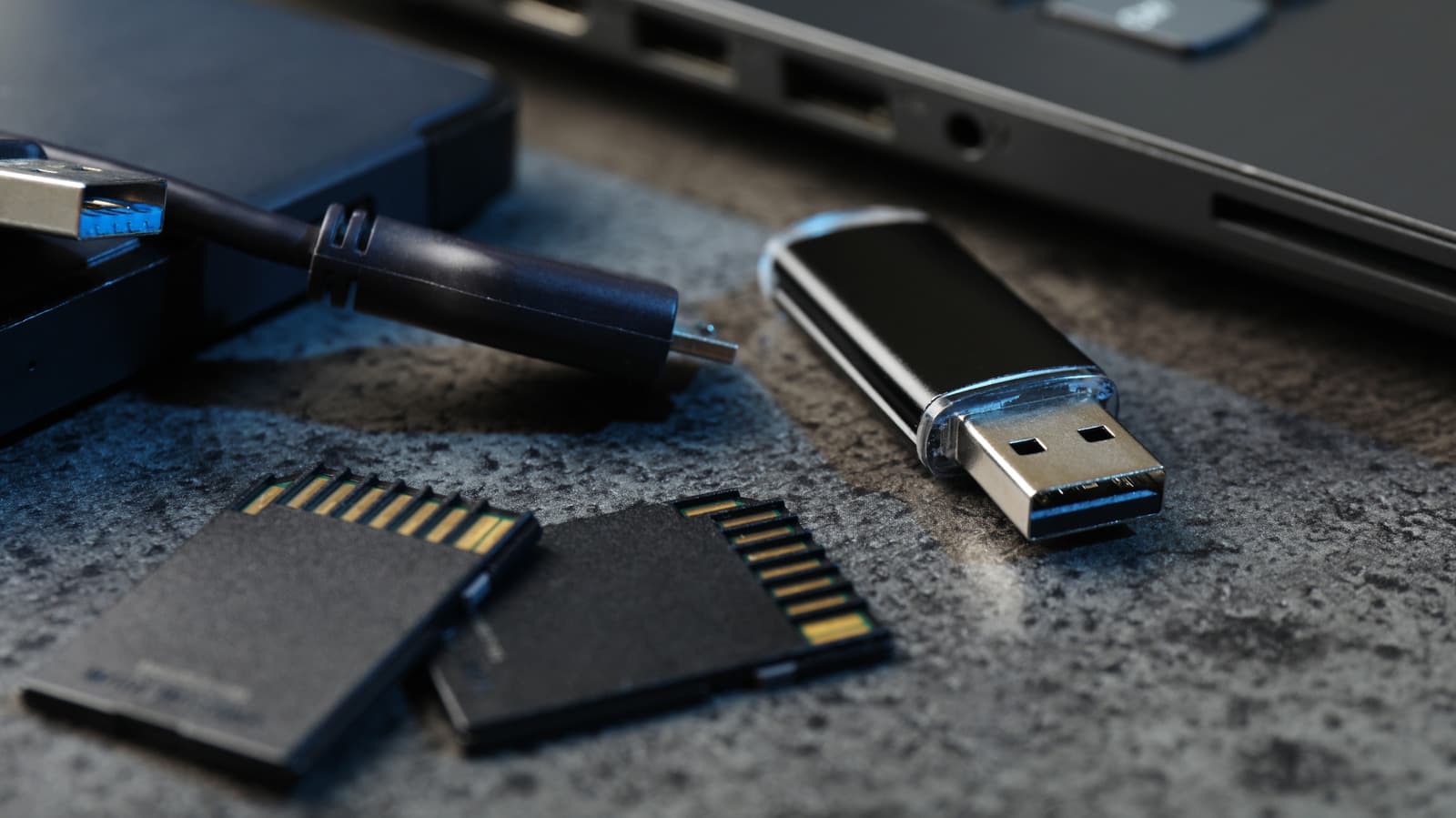
Why USB Drives and SD Cards Are Losing Their Appeal in 2026
For decades, USB drives and SD cards have been the go-to solutions for portable file storage. Compact, affordable, and widely compatible, they've helped millions of people transfer documents, back up photos, and carry important data in their pockets. But in 2026, the landscape of digital storage has shifted dramatically — and these once-essential gadgets are struggling to keep up. If you're thinking about picking up a new USB drive or SD card, here's why you might want to reconsider.
The Rise of Faster, Smarter Alternatives
One of the biggest reasons USB drives and SD cards are falling out of favor is simply that better options now exist — and they're more accessible than ever. Cloud storage services like Google Drive, iCloud, OneDrive, and Dropbox have matured into robust, affordable platforms that offer instant access to your files from virtually any device, anywhere in the world. You don't need to remember to carry a physical device, worry about losing it, or deal with compatibility issues.
Meanwhile, NVMe-based portable SSDs have dropped significantly in price over the past few years, offering blazing-fast transfer speeds that dwarf even the best USB drives on the market. For users who genuinely need physical, high-capacity storage on the go, a compact external SSD is now a far more compelling purchase than a traditional thumb drive.
The Speed Problem With USB Drives and SD Cards
Speed has always been a weakness of budget USB drives and SD cards, but in 2026 the gap between these devices and modern alternatives has grown into a chasm. Most consumer-grade USB drives still use older USB 2.0 or USB 3.0 interfaces, delivering transfer speeds that feel painfully slow when moving large files, high-resolution video, or extensive photo libraries.
SD cards face a similar issue. While UHS-II and newer card standards exist, the majority of affordable cards on store shelves don't come close to those benchmarks. The result is that users often find themselves waiting far longer than they should to move files — time that simply isn't acceptable when faster solutions are available at comparable price points.
Reliability and Data Longevity Concerns
Another serious drawback that often goes unmentioned is the reliability problem. USB flash drives and SD cards use NAND flash memory, which has a limited number of read/write cycles. Over time — and sometimes surprisingly quickly with heavy use — these devices can develop corrupted sectors, fail to mount, or lose data entirely without warning.
Unlike enterprise-grade SSDs or cloud storage, most USB drives and SD cards offer no meaningful data redundancy or error correction. There's no automatic backup, no version history, and no way to recover your data if the device physically fails. For anything important, this makes them a genuinely risky storage choice in 2026.
Compatibility Is Becoming a Growing Headache
It wasn't long ago that USB-A ports were on virtually every laptop, desktop, and even some televisions. Today, that's no longer guaranteed. The rapid adoption of USB-C across modern laptops, tablets, smartphones, and accessories means that standard USB-A drives are increasingly orphaned — requiring dongles or adapters just to connect to a newer machine.
SD card slots face an even steeper decline. Apple removed SD card readers from its MacBook lineup for years, and while some models have brought them back, many Windows ultrabooks and thin-and-light laptops have followed a similar path of omission. As devices get thinner and manufacturers prioritize wireless and USB-C connectivity, physical card slots are becoming a premium feature rather than a standard one.
Security Risks You Shouldn't Ignore
USB drives, in particular, have long been a vector for malware and data theft. A lost or stolen flash drive can expose sensitive personal or business information to anyone who picks it up — and most consumer drives offer no built-in encryption. While encrypted USB drives do exist, they represent a small fraction of what's sold and used, and they come at a noticeably higher price.
In corporate and enterprise environments, USB drives are increasingly banned outright due to the security risks they pose. As cybersecurity awareness grows among everyday users too, the appeal of carrying sensitive files on an unencrypted physical device continues to diminish.
What You Should Use Instead in 2026
So what are the smarter storage options worth your money this year? Here are the top alternatives worth considering:
- Cloud Storage: Services like Google Drive, iCloud, and OneDrive offer generous free tiers and affordable paid plans. Your files are accessible from any device, automatically backed up, and protected by enterprise-grade security.
- Portable NVMe SSDs: If you need fast, high-capacity physical storage, compact external SSDs from brands like Samsung, WD, and Crucial deliver read/write speeds that leave USB drives in the dust — often at prices that have never been lower.
- Wireless Transfer Apps: Tools like AirDrop, Snapdrop, and similar local-network sharing apps allow fast, cable-free file transfers between devices without any hardware at all.
- Encrypted USB-C Drives: If you specifically need a physical drive, at minimum opt for a USB-C model with hardware encryption to address both compatibility and security concerns.
The Bottom Line
USB drives and SD cards had a remarkable run as the kings of portable storage, but 2026 is proving to be a turning point. Between rising competition from cloud services and portable SSDs, persistent speed and reliability limitations, dwindling device compatibility, and real security concerns, the case for buying a traditional flash drive or SD card has never been weaker. Before you reach for one out of habit, take a moment to consider whether one of the many superior alternatives might serve you better — because in most cases, it will.