
FCC Eases Drone Rules, But DJI Drones Are Still Left Grounded
The United States government has taken a small but notable step in its ongoing battle with foreign-made drones, offering a narrow exemption to certain toy-grade devices while leaving major manufacturers like DJI firmly on the outside looking in. The Federal Communications Commission (FCC) has officially removed a limited category of foreign-made toy drones from its Covered List — marking the first meaningful exception since the sweeping 2025 crackdown on Chinese-made drone technology began. However, before DJI fans celebrate, the fine print tells a very different story.
What Is the FCC's Covered List and Why Does It Matter?
The FCC's Covered List is a register of telecommunications and technology equipment deemed to pose an unacceptable risk to US national security. Products that appear on this list are effectively banned from use within federal networks and face severe commercial restrictions in the American marketplace. Since its expansion in 2025, the list has included a broad range of foreign-made drone equipment, with Chinese manufacturers bearing the brunt of the regulatory pressure.
Being placed on the Covered List is not a trivial matter. It means retailers, distributors, and importers must navigate a complex web of compliance requirements, and in many cases, it results in the product becoming commercially nonviable in the US market. For drone manufacturers like DJI — which has historically commanded more than 70% of the global consumer drone market — the impact has been substantial and deeply disruptive to their business operations in America.
The New Exemption: What Qualifies?
The FCC's newly announced exemption sounds promising on the surface, but the eligibility criteria are extraordinarily restrictive. To qualify for removal from the Covered List, a foreign-made drone must meet all of the following conditions:
- It must be classified as a lightweight toy-grade device.
- It must have no GPS functionality whatsoever.
- It must lack any internet connectivity capabilities.
- It must be free of cameras, imaging sensors, and any data-collection hardware.
- It must offer no more than 10 minutes of total flight time.
In short, the only drones that qualify for this exemption are the most basic, stripped-down, entry-level toys imaginable — the kind of device you might find in the toy aisle of a discount retailer, designed primarily for indoor recreational use by young children. These are not the capable, camera-equipped, GPS-guided drones that have made brands like DJI famous around the world.
Why DJI Drones Remain Excluded
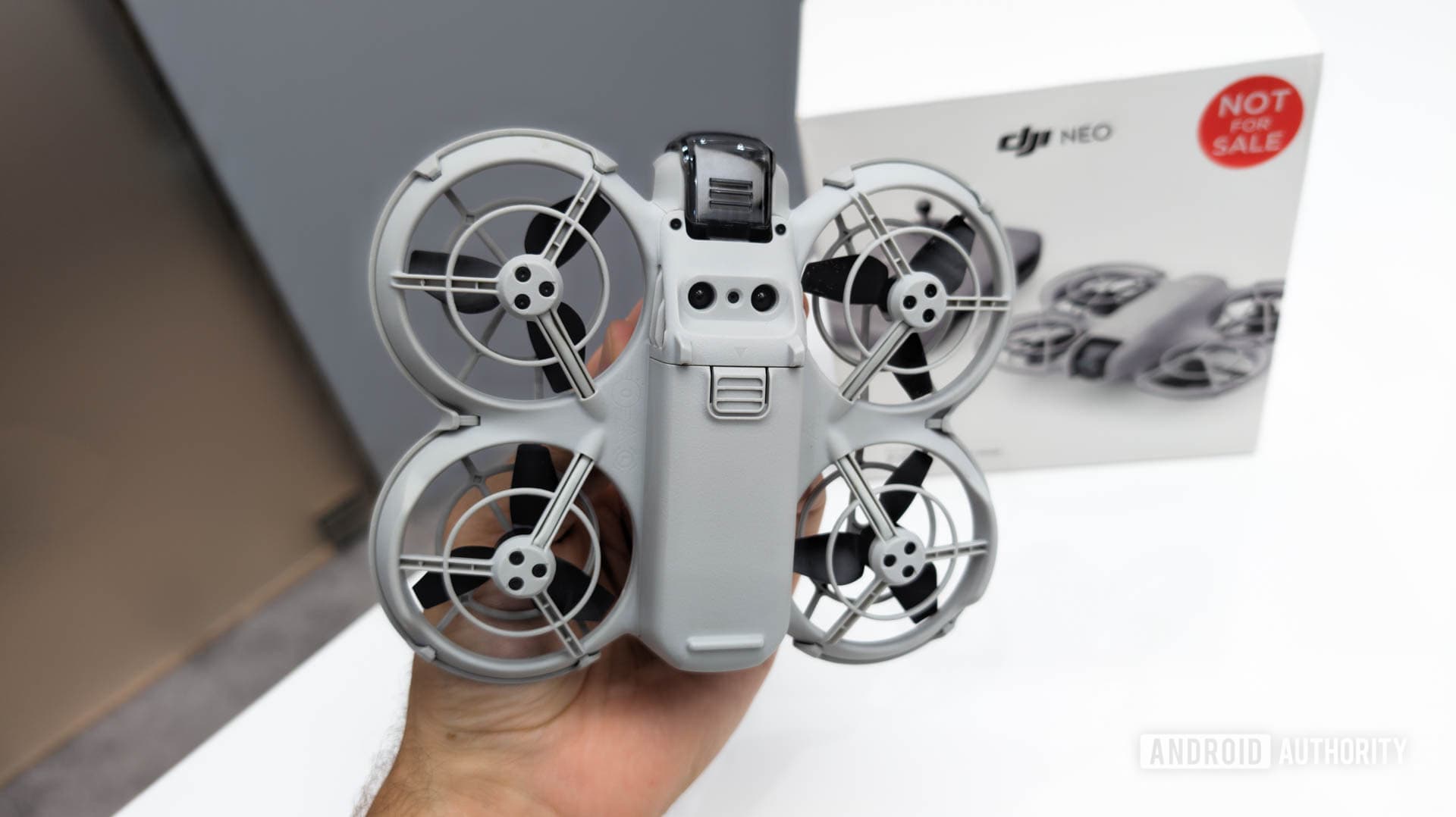
DJI's lineup, even its most compact and consumer-friendly models, simply cannot meet these criteria. Take the DJI Neo, one of the brand's smallest and most affordable drones. It features a built-in camera, GPS positioning, return-to-home functionality, and connectivity features that allow it to interface with smartphones and the internet. It also offers a flight time well beyond 10 minutes. Every single one of those features disqualifies it from the FCC's new exemption.
The same logic applies across DJI's entire product range — from the beginner-friendly Mini series to the professional-grade Mavic and Air lines. These are sophisticated pieces of technology built around the very features that make them useful: cameras for aerial photography, GPS for stable and precise flight, connectivity for real-time control and data transmission. Stripping any of that away would make them functionally useless for their intended purpose, and DJI has no reason or incentive to produce a product that meets the FCC's exemption criteria.
The Broader Context: US-China Tech Tensions
The FCC's drone crackdown doesn't exist in isolation. It is part of a broader and intensifying effort by the US government to reduce American reliance on Chinese-made technology, particularly in sectors that could pose national security risks. Similar restrictions have been applied to telecommunications giants like Huawei and ZTE, and the drone industry has increasingly found itself in the same regulatory crosshairs.
Lawmakers and security officials have raised concerns that drones manufactured in China could potentially be used to collect sensitive imagery or data that is then transmitted back to foreign entities. DJI has repeatedly denied these allegations and has pushed back against its inclusion on various US government restriction lists, arguing that its products are safe and that the bans are economically motivated rather than genuinely security-driven. Despite those objections, the regulatory walls have only grown higher.
What This Means for Consumers and the Drone Industry
For everyday American consumers who enjoyed flying DJI drones for photography, videography, or recreational use, the situation remains frustratingly unchanged. The FCC's new exemption does nothing to restore access to the popular drones that many hobbyists and professionals relied upon. If anything, the very narrow scope of the exemption signals that regulators are in no hurry to open the door wider for sophisticated foreign-made drone technology.
For the broader drone industry, the message is equally clear: companies hoping to compete in the US market with feature-rich consumer or professional drones will need to either manufacture domestically, establish compliant supply chains outside of China, or face the same commercial barriers that have stymied DJI's American ambitions. American drone manufacturers and those with US-based production facilities may find themselves with a significant competitive advantage as a result of these policies.
Looking Ahead
The FCC's first exception to its drone Covered List is a signal that the agency is at least willing to consider nuanced distinctions within the broad category of foreign-made drones. However, the tightly drawn boundaries of this exemption suggest that meaningful relief for manufacturers like DJI is not on the immediate horizon. Unless there is a significant shift in the geopolitical relationship between the US and China, or unless DJI finds a creative compliance path that satisfies regulators, the company's most capable drones are likely to remain grounded in the American market for the foreseeable future. Consumers, professionals, and industry watchers alike would be wise to manage their expectations accordingly.